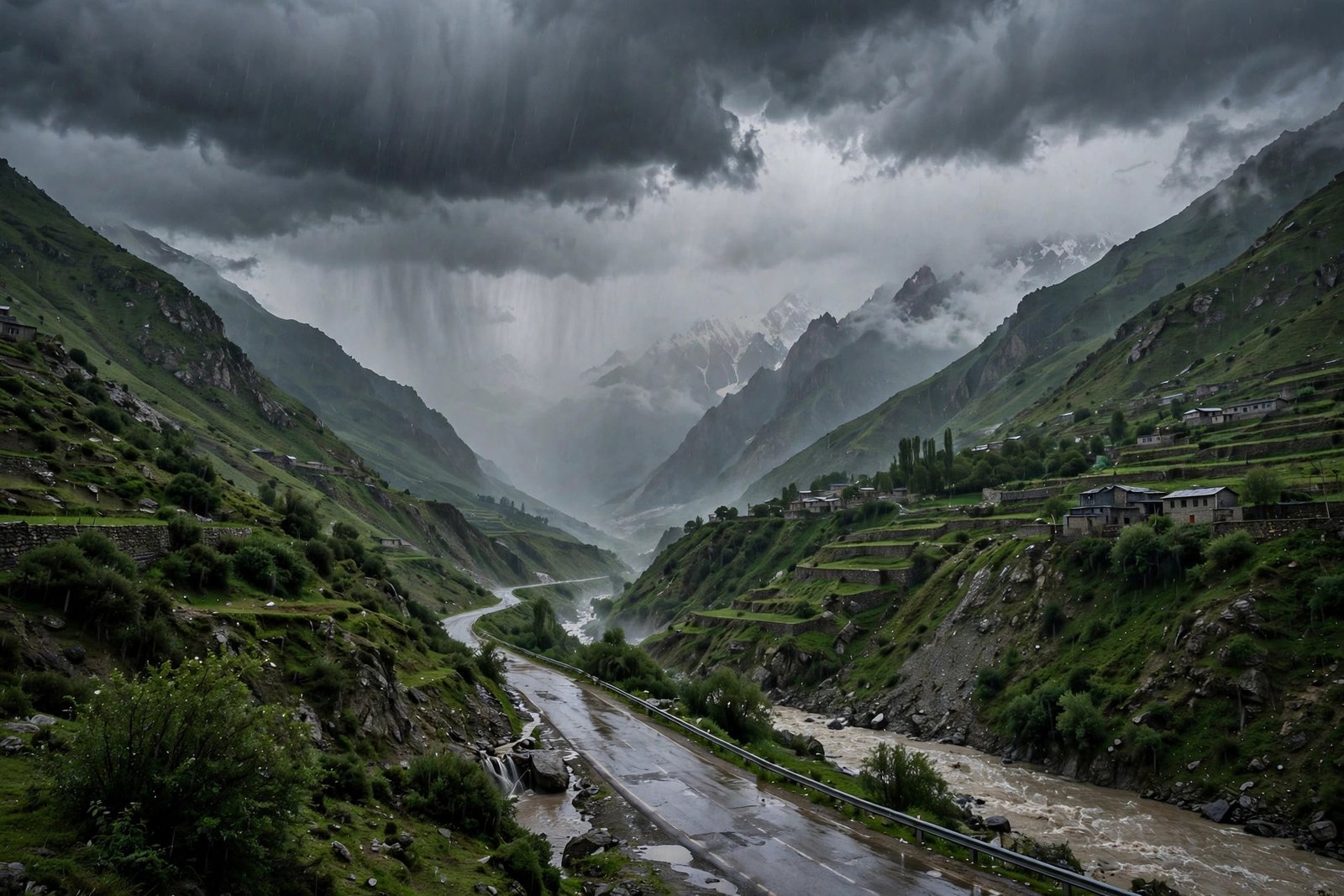
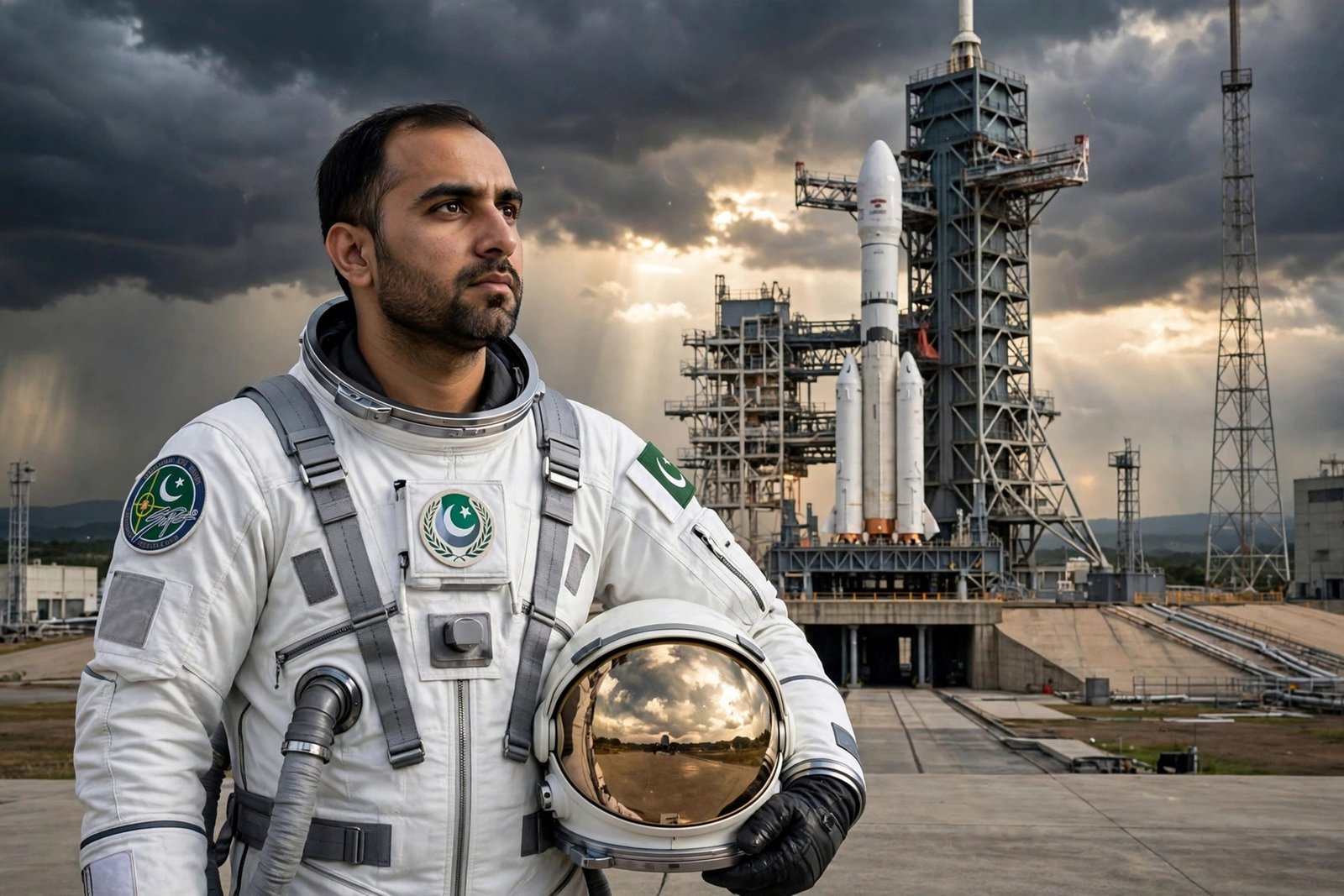
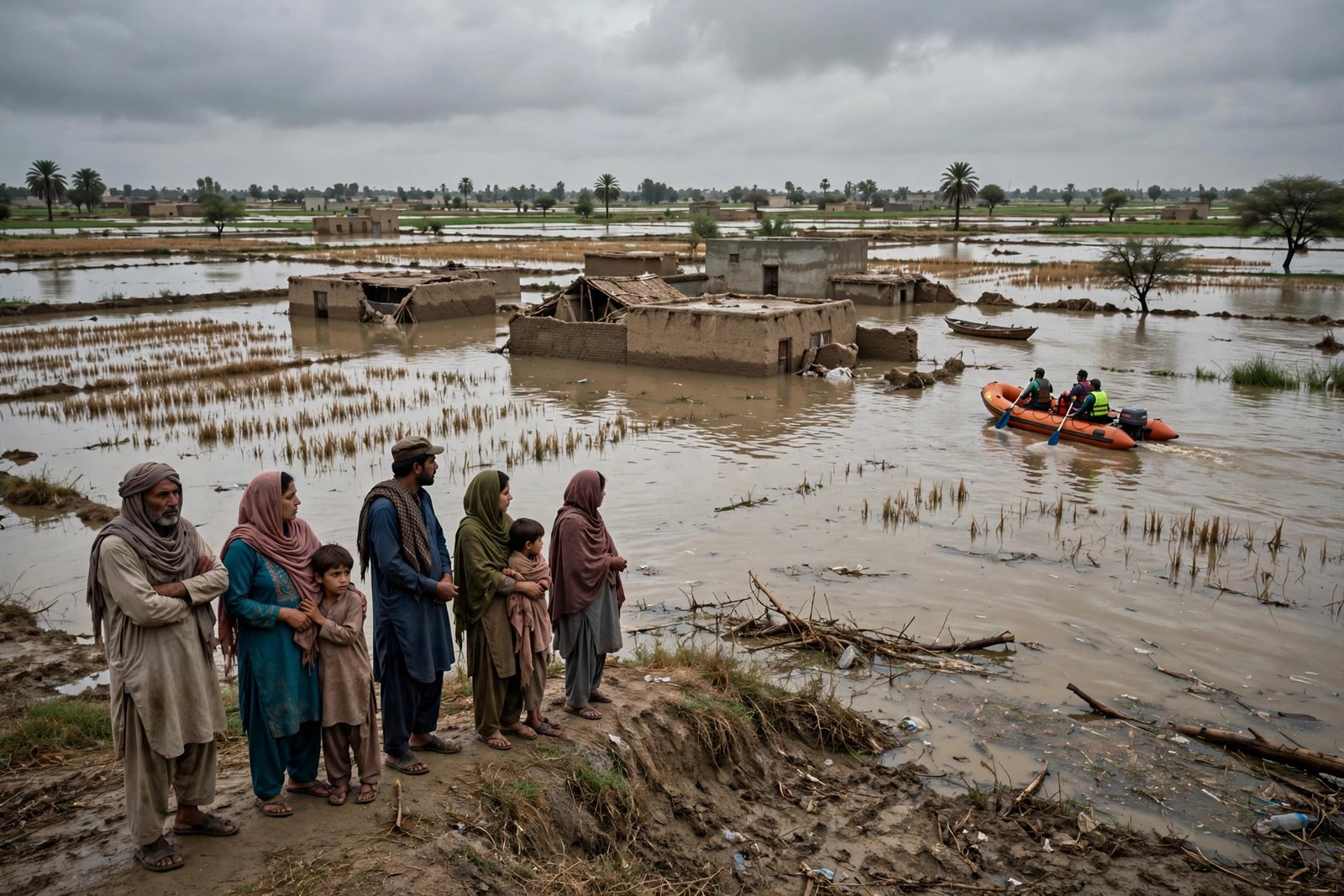
ISLAMABAD: Pakistan satellites AI disaster early warning moved to the centre of the national debate this week, as a five day international conference in Islamabad called for the country to shift from reacting to disasters to predicting them before they strike. Federal Minister for Climate Change Dr Musadik Malik told the closing ceremony that Pakistan must harness space technology, satellite imagery, radar and hyperspectral data, artificial intelligence and advanced predictive modelling to spot risks early. For a country that has lost thousands of lives to floods, the message was clear, and it was that science must reach people in time to save them.
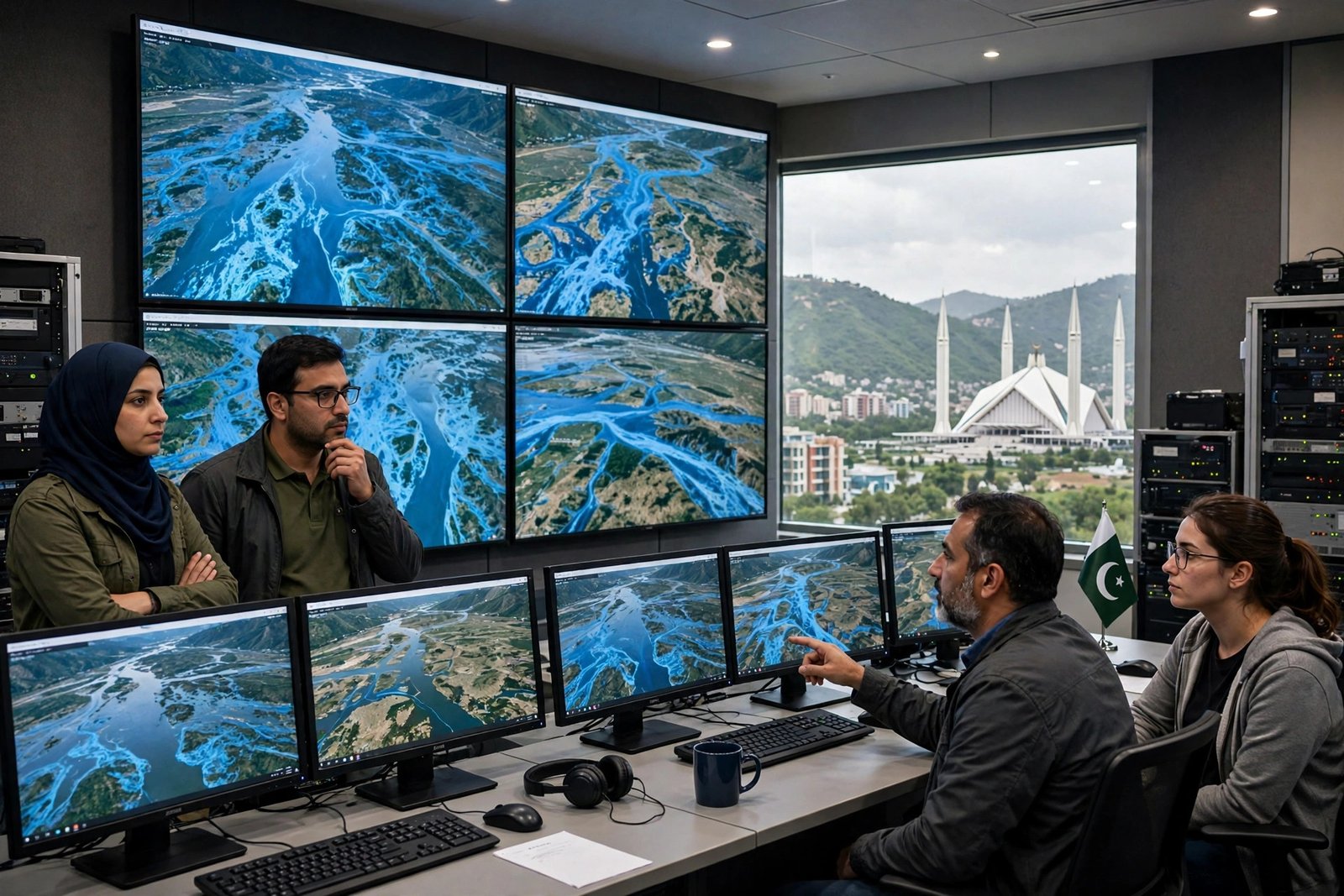
The meeting was the UN Pakistan International Conference on Leveraging Space Technology for Early Warning for All, Climate Action and Disaster Risk Assessment, and it was hosted by the Pakistan Space and Upper Atmosphere Research Commission, known as SUPARCO. The Early Warning for All EW4All conference brought together around 250 participants from across Pakistan, including federal and provincial ministries, academia and national institutions, along with delegates from 22 countries. The conference ran for five days and ended on Saturday, with a closing ceremony that drew senior officials from the United Nations and from partner organisations.
The minister’s speech set out a new way of thinking about disasters, and he used a simple comparison to make his point. Drawing an analogy with cardiology, Dr Musadik Malik climate change minister said that just as early diagnosis and timely treatment could prevent a patient from needing surgery, scientific monitoring and accurate forecasting should help prevent disasters and minimise their impact. He stressed that a warning without a specific address was effectively a warning addressed to no one, and he called for moving beyond broad regional forecasts towards precise, location specific alerts that could reach individual households and vulnerable communities.
The minister also set out practical steps for the years ahead, and he called for annual satellite based reports on floodplains and encroachments, so that the country can see each year where building on river beds and flood paths is putting people at risk. He asked for stronger coordination among institutions and across borders, for accurate mapping of disaster prone areas, and for greater engagement of young innovators through collaborative research, hackathons and innovation initiatives. He emphasised that science must serve humanity, and that rescue operations should be the last resort rather than the first response, with the protection of vulnerable people as the ultimate purpose of technology.
The scale of the challenge was set out during the conference, and the figures are sobering. The minister cited around 6,000 deaths, 20,000 injured or disabled people and 30 to 40 million displaced persons over five major flood events, and he warned that climate disasters, technological disruption and an unequal global economic order are converging to deepen Pakistan’s vulnerabilities. Senator Sherry Rehman, who spoke as a keynote speaker, called for a fundamental rethink of climate resilience, energy security and technological change, and she warned that the world is entering a new age in which climate stress, geopolitical disruption and AI are increasingly connected.
The conference itself was a large undertaking, with 17 sessions that included two high level plenary sessions, five panel discussions and 10 technical sessions, and 67 presentations delivered by national and international participants. SUPARCO Chairman Muhammad Yousaf Khan, who also heads the Inter Islamic Network on Space Sciences and Technology, set out three priorities from the meeting, which were to integrate information into decision making, to strengthen interoperable systems and data sharing, and to sustain institutional and human resource capacities. Lorant Czaran, Director of Space Applications at the United Nations Office for Outer Space Affairs, stressed the importance of international cooperation and of using space based technologies well.
The work did not end with the conference, and a training course that followed it showed how the ideas are meant to reach the people who use them. The five day UN Pakistan International Training Course on space based disaster management, held from 2 to 6 November at the COMSTECH Secretariat in Islamabad, brought together national and international experts for 13 sessions and 11 technical presentations. The major topics included early warning systems, GLOF monitoring flood modelling heatwave assessment and space based disaster risk reduction, and the course featured live demonstrations of the Space4Climate website, SUPARCO’s Disaster Watch Portal and the NatCat Risk Calculator Dashboard.
Pakistan’s growing space capability gives the plan a real foundation, and the country has built up its satellites steadily over the past few years. In 2023, Pakistan launched PRSS EO1, its first indigenously developed electro optical satellite, which supports precision agriculture, forest management and disaster risk assessment. The launch of the first hyperspectral satellite in October 2025, followed by the indigenous electro optical satellites EO-2 and EO-3 in February and April 2026, has strengthened those capabilities further. In March 2026, SUPARCO launched the Space4Climate initiative March 2026, integrating satellite data and geospatial analysis to strengthen climate monitoring and resilience, and it has also built a mobile app that gives farmers real time satellite based advice.
Readers should keep one point in mind as they follow this story. A conference and a training course are only the start, and their value will be judged by whether warnings reach a family living beside a river in time for them to move to safety. The minister’s call for location specific alerts, for annual reports on floodplains and for young innovators to join the work is a promise that will take years to keep. But the direction is clear, and Pakistan is now trying to use its satellites and its scientists to predict disasters instead of only counting the damage after they happen.
Also Read: Pakistan First Astronaut to Fly to Space Station on Nov 25
Previous: inDrive Lets Pakistan Riders Haggle Fares With AI Safety
Next: Hajj 2027 Private Deadline Set as Government Seats Fill Up