ISLAMABAD: Hajj 2027 private deadline November 20 Pakistan has been set by the Ministry of Religious Affairs and Interfaith Harmony, giving private pilgrims until 20 November to select their Hajj package and pay for it. The ministry said private pilgrims should choose and pay for their package only through the Hajj portal or the Pak Hajj app, and it warned that it would not be responsible for any loss if payments were made directly to an individual or a company. For the thousands of Pakistanis planning the sacred journey next year, the date is now the most important one on the calendar.
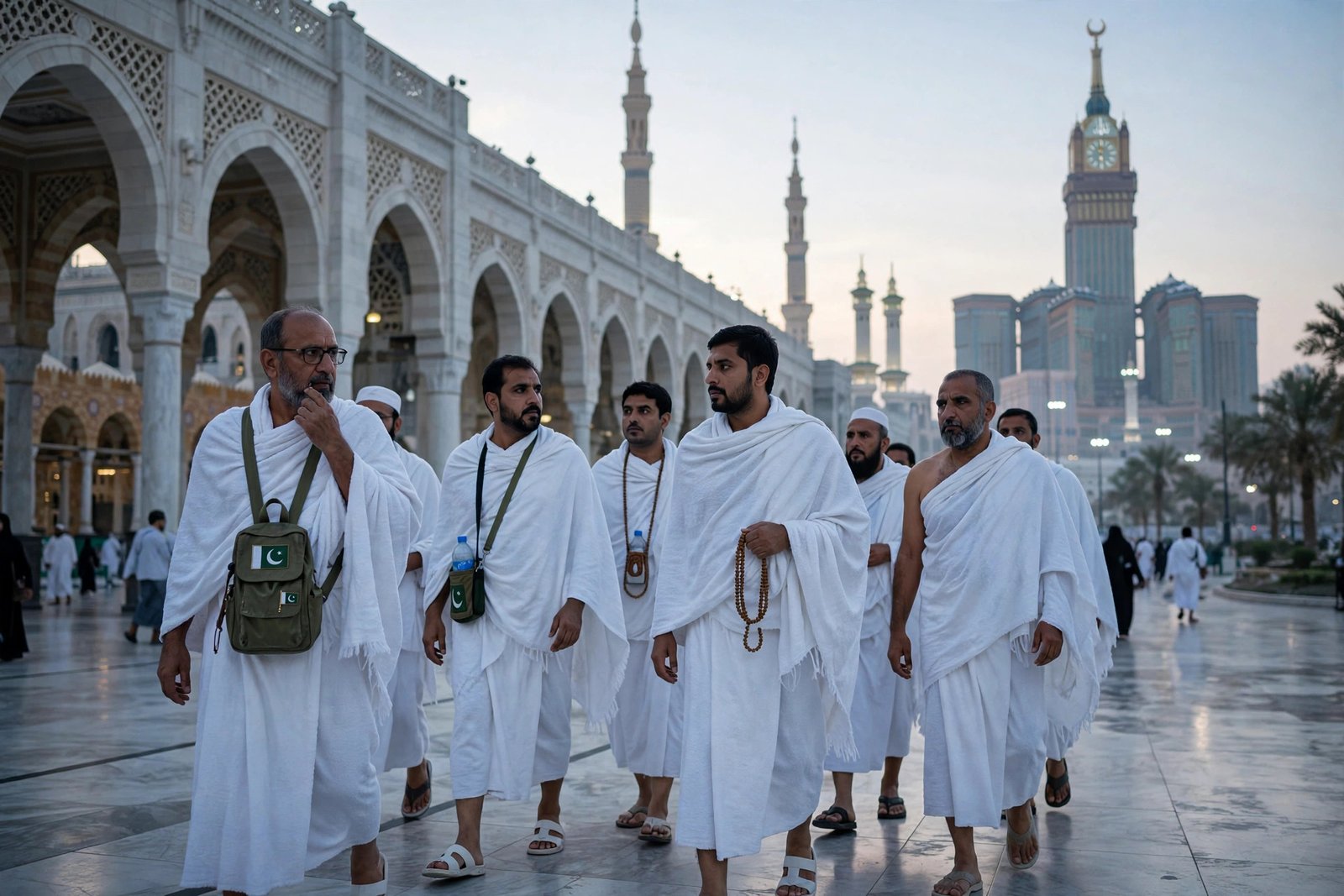
The deadline is the first of its kind under Pakistan’s new Hajj framework, and it comes with a new way of running the pilgrimage. The November 20 deadline is the first set for private Hajj operators under the four year Hajj policy 2027 to 2030, which was approved by the federal cabinet in July. The policy covers the 2027 to 2030 Hajj seasons and replaces the previous practice of issuing a new framework each year, which meant that pilgrims and operators had to learn new rules every season. A four year policy gives everyone, from the ministry to the travel companies, a stable set of rules to plan around.
Saudi Arabia has allocated Pakistan 179,210 Hajj places for the 2027 season, and the split between the two schemes is now clear. The government scheme holds 107526 government scheme seats, while the private scheme holds 71684 private scheme seats, which is 60 percent for the government and 40 percent for private operators. Reports in late September said that all of the government seats had already been reserved through the ministry’s online system, which means that anyone who missed the government quota must now look to the private scheme before the 20 November deadline.
The private scheme offers a wide range of packages, and the ministry has finalised 16 basic packages for pilgrims to choose from. The prices run from Rs1.4 million to Rs3.75 million packages, which the ministry puts at about 5,050 dollars to 13,525 dollars, and the options include short duration packages, direct flights from abroad and five star Hajj packages. Most Hajj companies have uploaded their packages to the digital portal following the ministry’s instructions, and bookings through the Hajj Portal and Pak Hajj App have picked up. Pilgrims can compare the packages online and choose the one that suits their budget and their health.
The whole system for Hajj 2027 is digital, and that is a deliberate change from the paper based process of the past. The registration for next year’s Hajj was launched in June by the Ministry of Religious Affairs, and it is completely free, with no fee charged for registration. Registration is on a first come, first served basis and has been made mandatory for both the government and private schemes, and no application can be submitted for Hajj 2027 without it. The Pak Hajj App Hajj Portal lets pilgrims register from home, and overseas Pakistanis can register from any country, with members of the same family able to register jointly.
The ministry has set clear conditions for who can travel, and pilgrims should check them before they pay for a package. Those wishing to perform Hajj must have a valid passport with validity until 26 November 2027 at least, although registration itself can be made without a passport. Starting from 1 November, every Hajj pilgrim must personally complete biometrics using the Saudi Bio App, where it applies. The ministry has also published guidance for Pakistan Origin Card holders and for people with foreign passports, and it has a special Hajj section on its website for pilgrims who need help.
The warning about payments matters, because the Hajj season always attracts people who offer shortcuts for a price. The ministry has said plainly that private pilgrims should select and pay for their package only through the official portal or app, and that it will not be responsible for any loss if payments are made directly to an individual or a company outside the process. That warning echoes the fraud cases reported this year, in which people were sold fake Umrah visas, and it is a reminder that the only safe payment is the one made through the official channel. Pilgrims should also check that the operator they choose is authorised before they hand over any money.
The ministry also holds a power that pilgrims should know about, and it concerns the quota itself. If the allocated private quota is not filled by the deadline, the ministry has the authority to reallocate the remaining quota, which means that seats left empty by private operators could be moved elsewhere. That gives the companies a reason to fill their packages on time, and it gives pilgrims a reason not to wait until the last day. The 20 November date is therefore a deadline for the operators as much as for the pilgrims, and both sides will be watching the bookings closely.
Readers should keep two points in mind. First, the total quota figure of 179,210 places is the one given by the ministry, and it settles an earlier discrepancy, because a Senate reply had put the total at 197,210, while Arab News reported 179,210, and the ministry’s own announcements now use 179,210. Second, the government scheme is reported to be full, so the private scheme is the only route left for most new applicants, and the 16 packages on the portal are the ones to choose from. With the deadline less than two weeks away, pilgrims who plan to travel under the private scheme should select their package and pay through the Pak Hajj App before 20 November.
Also Read: Pakistan Islamic Finance Grows as Savings Mobilise Rs40bn
Previous: Pakistan Turns to Satellites and AI to Predict Disasters