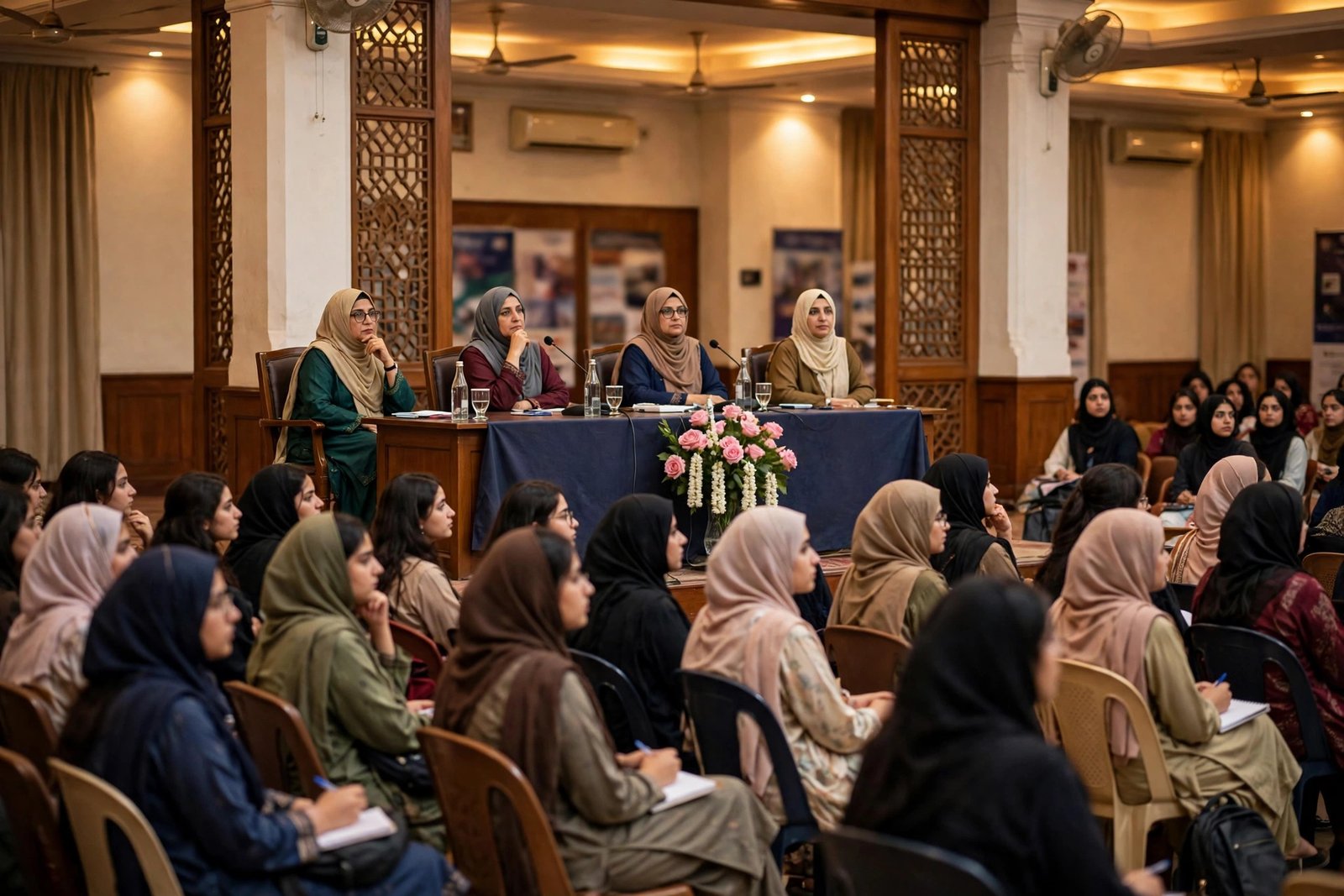
SIALKOT: Seerat Conference Women University Sialkot concluded on Friday after two days of academic sessions on the life and teachings of the Holy Prophet Muhammad (PBUH). The 9th International Seerat Conference was organised at the Government College Women University Sialkot, and it brought together national and international researchers to present their work and discuss different aspects of the Seerat, the study of the Prophet’s life. The conference closed with a writing workshop for young researchers and a reminder that the study of the Seerat is a living tradition, not only a subject for books.
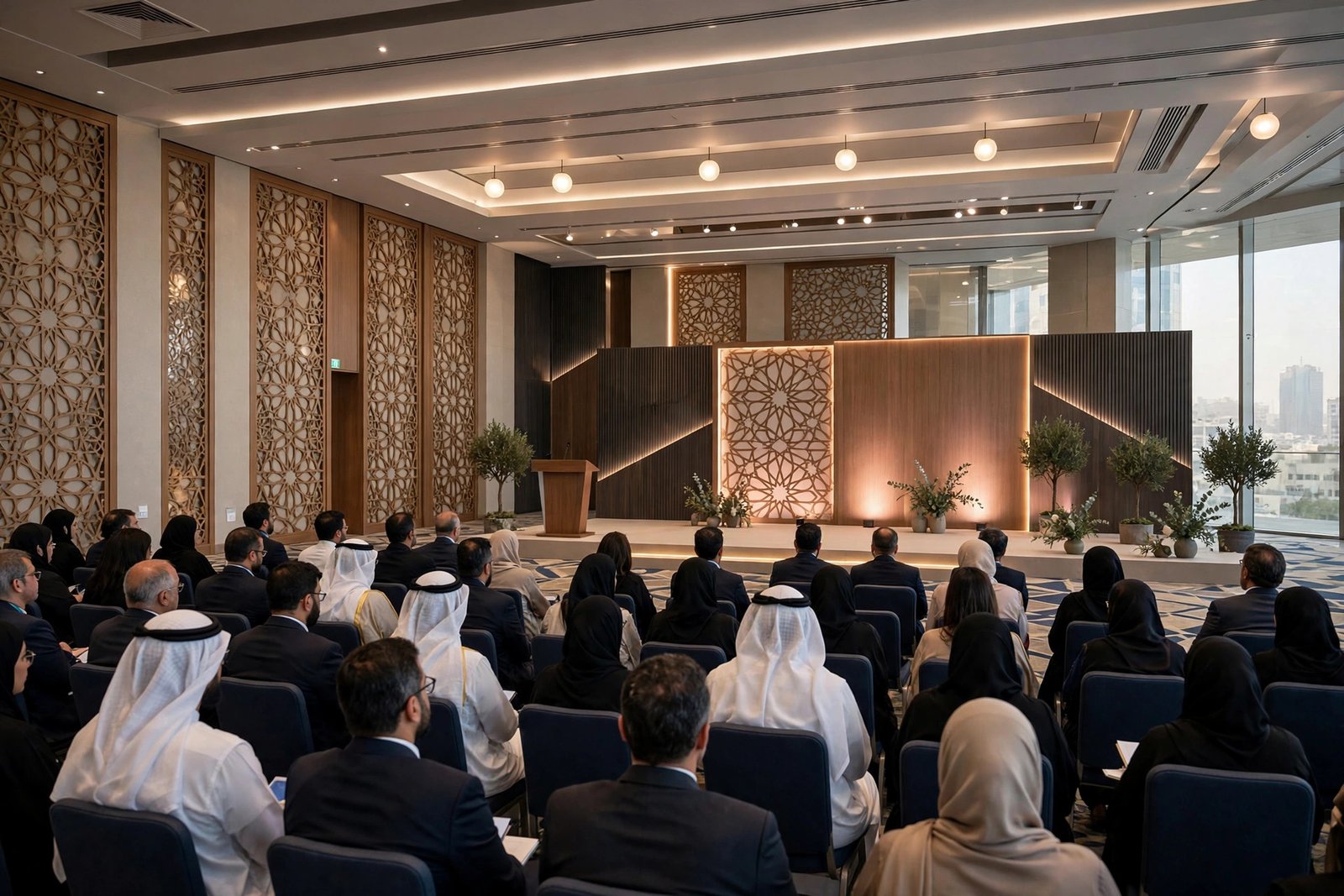
The 9th International Seerat Conference two day programme is the ninth edition of the event, and its staying power shows how much interest there is in serious Seerat research in Pakistan. The conference was held over two days at the university, with the second day given over to academic and research sessions at the Seerat Study Centre, where researchers presented their papers and engaged in scholarly discussions. The papers covered different aspects of the life and teachings of the Holy Prophet Muhammad (PBUH), from his character and leadership to his dealings with family, neighbours and the wider community.
The Government College Women University Sialkot GCWUS hosted the two day event, and the university’s role matters because it is a women’s university where female scholars and students take the lead. The Seerat Study Centre at the university is the hub for this work, and it organises research, seminars and study circles through the year. For the students of the university, a conference like this one is a chance to meet researchers from other institutions and other countries, and to see how academic work on the Seerat is done at a professional level.
The Seerat Study Centre Sialkot research sessions brought together national and international researchers, and the discussions were the heart of the conference. In these sessions, a researcher presents a paper, other scholars ask questions and offer criticism, and the audience joins in with comments of its own. That kind of open discussion is how academic work improves, and it is also how young researchers learn to defend their ideas and to listen to other views. The papers presented at the conference covered different aspects of the Prophet’s life, and the discussions ranged across history, ethics, law and spirituality.
A Seerat writing workshop MS PhD students attended was held on the second day, and it was aimed at the young researchers who will carry this work forward. The objective of the workshop was to promote high-quality academic and research writing, scholarly paper writing and a research-oriented approach among students working on topics related to Seerat-un-Nabi. For a student writing a thesis, learning how to frame a question, use sources and present an argument clearly is as important as the subject itself, and the workshop gave them practical guidance from experienced scholars.
The Seerat Centre of Excellence Friday gatherings are held every week at the university, and they show that the conference is part of a regular programme rather than a one-off event. A special weekly gathering is organised every Friday at the Seerat Centre of Excellence to familiarise students with the teachings of the Holy Prophet (PBUH) and encourage them to incorporate those teachings into their daily lives. The gatherings are open to students, and they link the academic study of the Seerat with the practical question of how its lessons apply to everyday life.
Seerat conferences have become a regular feature of academic life in Pakistan, and they serve a purpose that goes beyond the university walls. The life of the Holy Prophet (PBUH) is studied not only as history but as a guide to character, leadership, justice, compassion and patience, and conferences give scholars a place to share new research on those themes. The papers presented at such events often find their way into journals and books, and they shape how the Seerat is taught in schools, colleges and universities across the country.
The conference also reflects the growing role of women’s universities in religious scholarship in Pakistan. Government College Women University Sialkot is one of a number of women’s universities where female academics now lead research in Islamic studies, and their work is presented alongside that of male scholars at national and international events. For the students who attended, seeing women scholars present papers and lead discussions is itself a lesson in what academic life can offer them.
Readers should keep one point in mind about this story. A conference is judged by the quality of its papers and the discussions they provoke, not by its size or its ceremonies, and the real value of this event will be seen in the research it produces and the students it inspires. The university has said the Seerat Study Centre will continue its weekly gatherings and its research work, and the next test for the conference will be whether its papers reach a wider audience in print and in teaching.
Also Read: Hajj 2027 Private Deadline Set as Government Seats Fill Up
Previous: Pakistan Saudi Agree to Boost Media Culture and Tourism