ISTANBUL: Pakistan OIC economic solidarity COMCEC was the call made by Commerce Minister Jam Kamal at the closing session of a major trade meeting of Islamic countries in Istanbul. Speaking on behalf of the member states of the Organisation of Islamic Cooperation, he said growing tensions, broken supply chains, weak finances and rising protectionism had made economic cooperation among Muslim countries more important than ever. His message was simple: the Islamic world must trade more with itself, and must help its weakest members stand on their own feet.
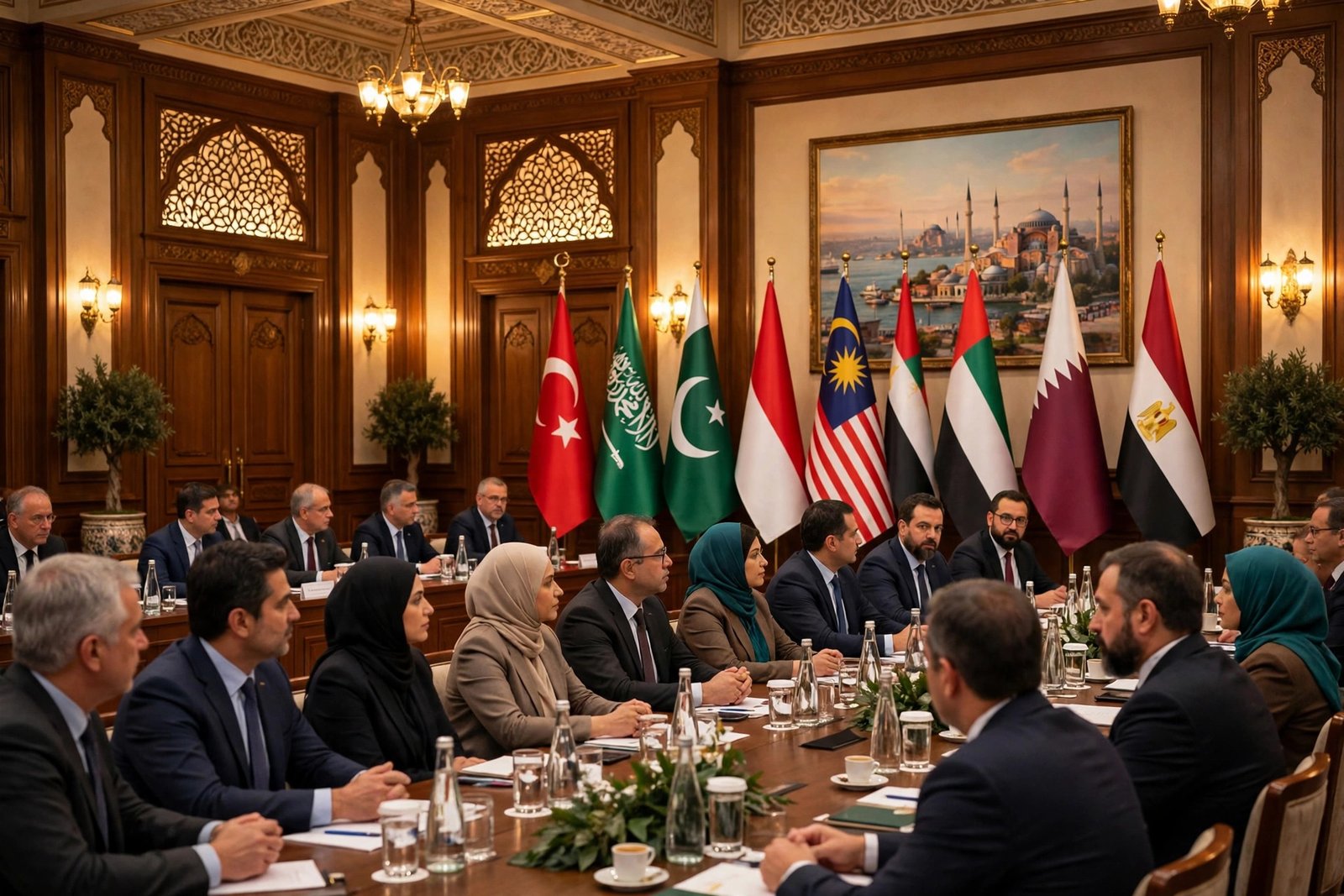
Jam Kamal COMCEC Istanbul session speech closed the ministerial meeting, and the commerce minister used it to set out what Pakistan wants from the group. He called for stronger economic solidarity, better access to trade financing and coordinated efforts to boost trade between OIC countries. He said the member states face the same pressures, and that they will do better if they face them together. The speech was made on behalf of all the member states, which gave it extra weight.
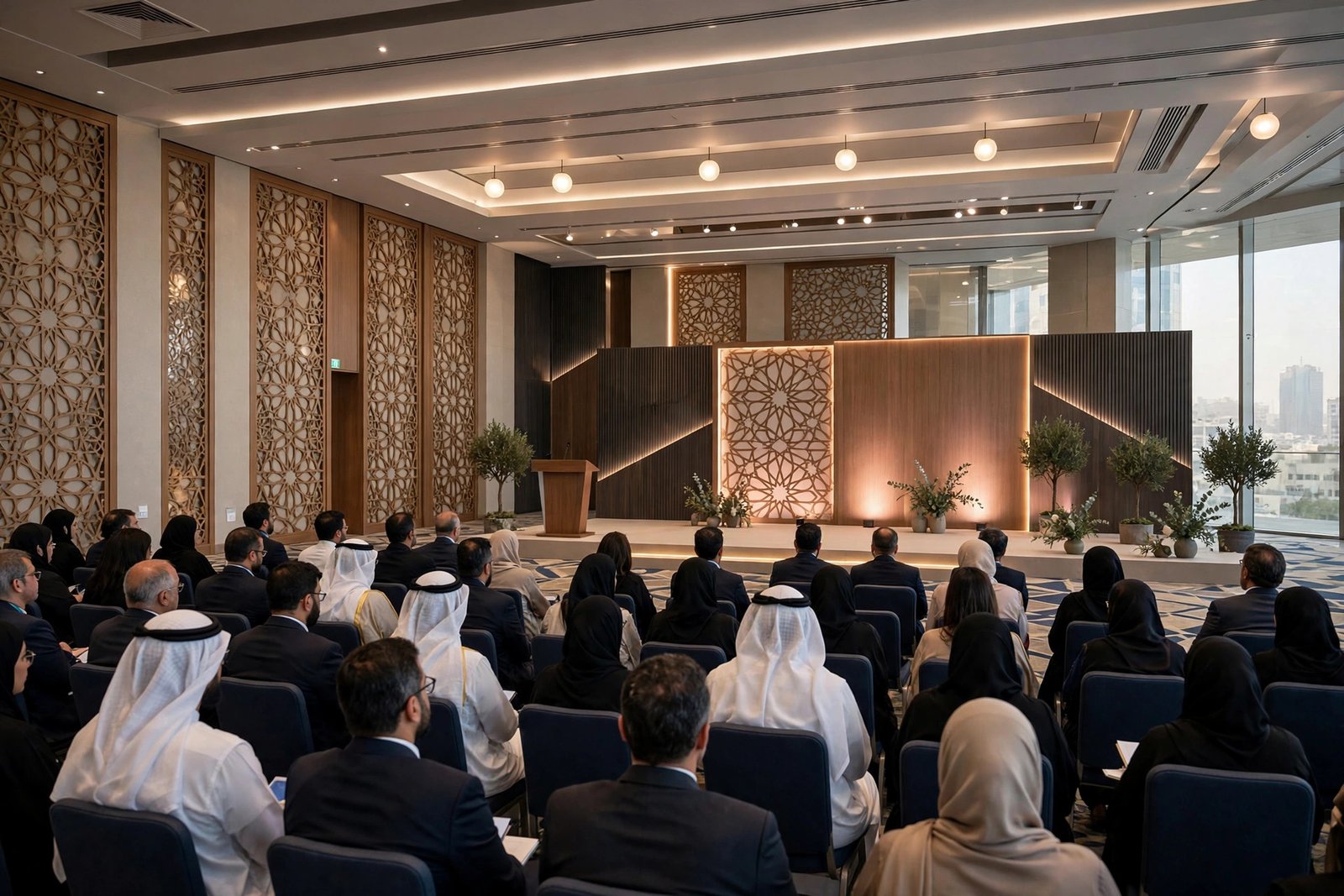
The 42nd COMCEC Ministerial Session Istanbul brought together trade ministers from across the Islamic world, and its full name is the Standing Committee for Economic and Commercial Cooperation of the OIC. The committee is the main forum where Muslim countries talk about trade, and its sessions set the agenda for the year ahead. This year the ministers met in Istanbul, and the closing session heard the outcomes of days of talks on trade, transport, farming and finance.
Pakistan called for Organisation of Islamic Cooperation economic solidarity because the pressures on Muslim economies are growing. Mr Kamal pointed to geopolitical tensions that break supply chains, to financial weakness that makes borrowing dearer, and to protectionism that shuts markets to goods from poor countries. Each of those pressures hits Pakistan too, and each of them is harder to face alone. Solidarity, in his words, means sharing the burden and opening doors to each other goods.
The session looked at intra OIC trade financing tools and better access to trade finance, which is the money that lets a trader buy goods in one country and sell them in another. Small traders often cannot get that finance, and without it they cannot trade at all. The ministers talked about tools that would make it easier for banks in Muslim countries to lend to each other traders, and about ways to cut the cost of moving money across borders. If that finance improves, trade between OIC countries should grow with it.
The COMCEC priority theme trade financing exports session covered tools to lift exports among member states, under the theme of developing effective trade financing tools for increasing exports in the OIC member countries. That is a long title, but the idea behind it is plain: Muslim countries sell too little to each other, and better finance could change that. The ministers also talked about transport links, so that goods can move by road, rail and sea between member states without long delays at borders.
The deliberations also named other areas for joint work, and the list shows how wide the agenda has become. The ministers picked out intra OIC trade, transport connectivity, sustainable tourism, agricultural productivity, food security, poverty alleviation and digital transformation as the key areas for collective action. Each of those touches ordinary people: a farmer who needs a better price, a family that needs cheaper food, a young person who needs a job in tourism or in digital work. The session was not just about trade figures, but about the lives behind them.
Pakistan has a direct stake in the outcome, because it trades with many OIC countries and hosts millions of workers from the Muslim world and sends millions of its own workers abroad. Better trade with the Gulf, with Turkiye and with Central Asia would help its exporters, and better finance would help its small firms. The minister visit to Istanbul was therefore more than a routine trip. It was a chance to push for rules that help Pakistan traders, and to show that Pakistan takes the OIC economic agenda seriously.
The session ended with a call for action, and the test will be what happens next. Ministers can agree on themes and tools, but the work is done by banks, traders and officials in the months that follow. If the trade financing tools are built and the transport links are improved, the Istanbul session will have mattered. If they are not, the words will fade. For now, Pakistan has made its case, and the Islamic world has heard it.
Also Read: Pakistan Minister to Attend Hajj Conference in Jeddah
Previous: Climate Disasters and Tech Disruption Fuel Pakistan Woes
Next: Sri Lanka Rout PCB Patrons XI by 142 Runs in Warm Up Match