KARACHI: Climate disasters Pakistan economy moot heard a stark warning on Friday, as the climate change minister said floods, new technology and an unfair world trade order are joining forces to deepen Pakistan economic troubles. The warning came at the closing day of a two day conference at IBA Karachi, where scholars, policymakers, industry leaders and students met to ask how the country can move past its overlapping crises. The message was clear: the damage must be counted in lives and livelihoods, not just in growth figures.
Dr Musadik Malik IBA Karachi conference speech closed the two day event, and the federal minister for climate change and environmental coordination did not soften his words. He said climate disasters, technological disruption and an increasingly unequal global economic order are converging to deepen Pakistan vulnerabilities, and that their combined impact could reverse decades of progress made by vulnerable communities. He spoke as a minister, but he spoke like a man who has seen the floods up close.
The conference was called Beyond Polycrisis Pathways Sustainable Economic Future, and it was organised by IBA Karachi Center for Business and Economic Research. The annual moot brings together scholars, policymakers, industry leaders and students to examine how Pakistan can move beyond its overlapping economic, climate and governance crises. This year the focus was on the way the crises feed each other, so that a flood becomes an economic shock, and an economic shock becomes a governance failure.
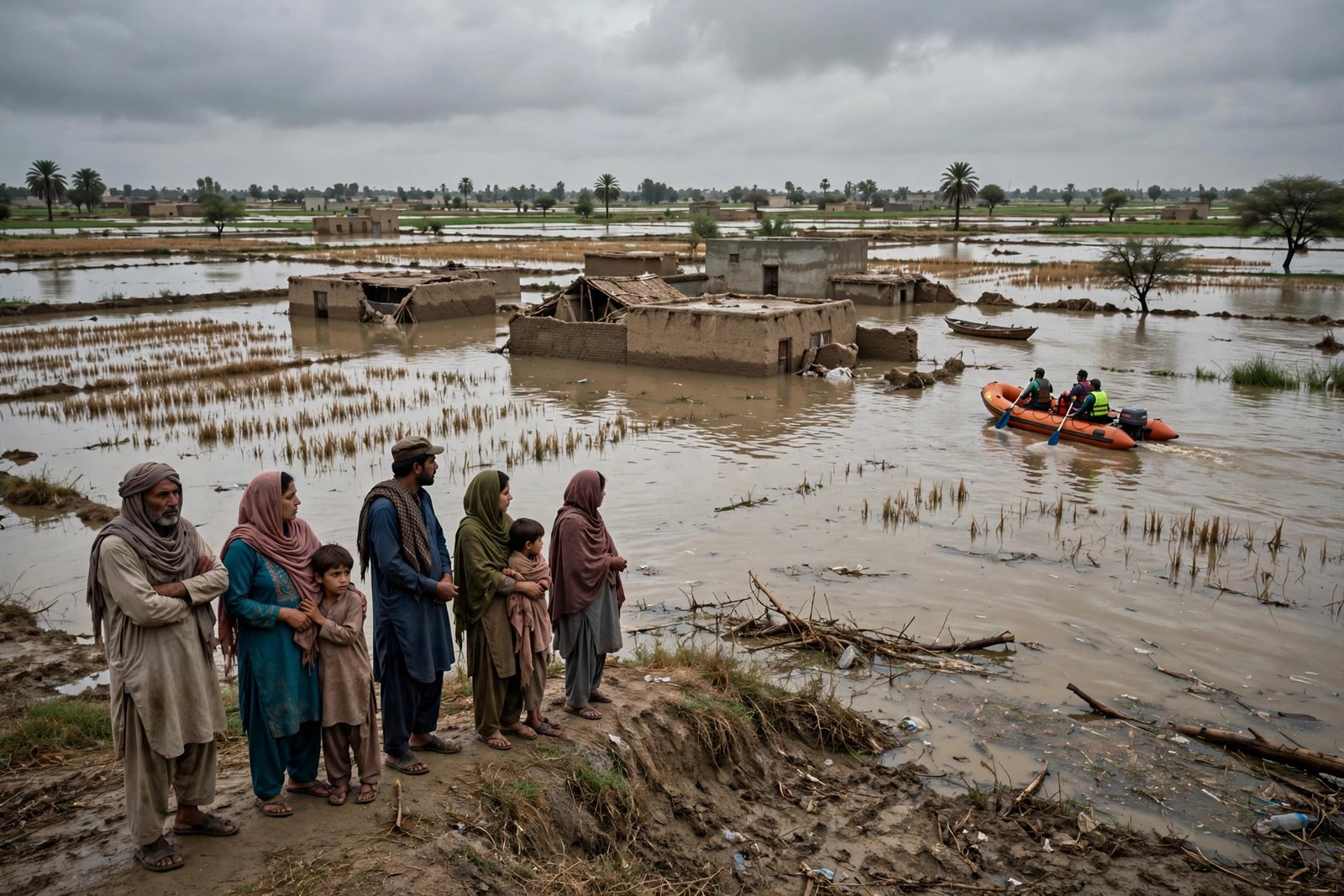
He cited 6000 deaths 20000 injured floods Pakistan figures from five major flood events, and the numbers show the human cost behind the economics. Around 6,000 people have died in those floods, and about 20,000 more were injured or left disabled. Those are not abstract figures. Each one is a family that lost a breadwinner, a child who lost a parent, or a worker who can no longer earn. The minister said climate impacts must be measured in lives lost and livelihoods, not just in GDP, and the room heard him.
He said 30 to 40 million displaced floods victims had been uprooted by the five events, and that scale is hard to grasp. Thirty to forty million people is more than the population of many countries, and each of them had to leave home, lose crops or shut a shop. When people are displaced on that scale, the economy loses workers, farms and customers all at once, and the recovery takes years. The minister said the country cannot keep rebuilding the same way after each flood and hoping the next one will be kinder.
Sherry Rehman keynote IBA conference address gave the moot its big idea, and the senator called for a fundamental rethink of how countries approach climate resilience, energy security and technological change. She warned that the world is entering a new Axial Age, in which climate stress, geopolitical disruption and artificial intelligence are increasingly interconnected. Her point was that the old playbook no longer works, because the crises no longer arrive one at a time. They arrive together, and they feed each other.
The two day moot also looked at what Pakistan can do with the tools it has. Scholars spoke about better flood warning, stronger embankments and crops that can survive standing water. Industry leaders spoke about clean energy and about using new technology to cut waste. Policymakers spoke about trade, and about how Pakistan can earn more from what it sells abroad. None of them offered a quick fix, and that honesty was part of the value of the moot.
The warning matters because Pakistan has already lived through the pattern the speakers described. The floods of recent years drowned crops, broke roads and pushed families into debt, and the economy is still paying for that damage. At the same time, new technology is changing jobs faster than schools can keep up, and the world trade order is making it harder for a poor country to sell its goods. When those three forces hit together, the damage is more than the sum of its parts.
The moot ended without a grand plan, but it ended with a clear message. Pakistan cannot treat climate, technology and trade as separate problems, because they are not separate any more. The minister and the senator both said the country must plan for them together, and must count the cost in human terms. If the country listens, the next flood may still come, but the damage may be less. If it does not, the same warning will be heard again at the next moot, with even bigger numbers behind it.
Also Read: Blind Dolphin Resort Opens at Taunsa Barrage in Kot Addu
Previous: US Pakistan Deepen Digital Banking Ties With Cisco Network
Next: Pakistan Seeks OIC Economic Solidarity at Istanbul Session