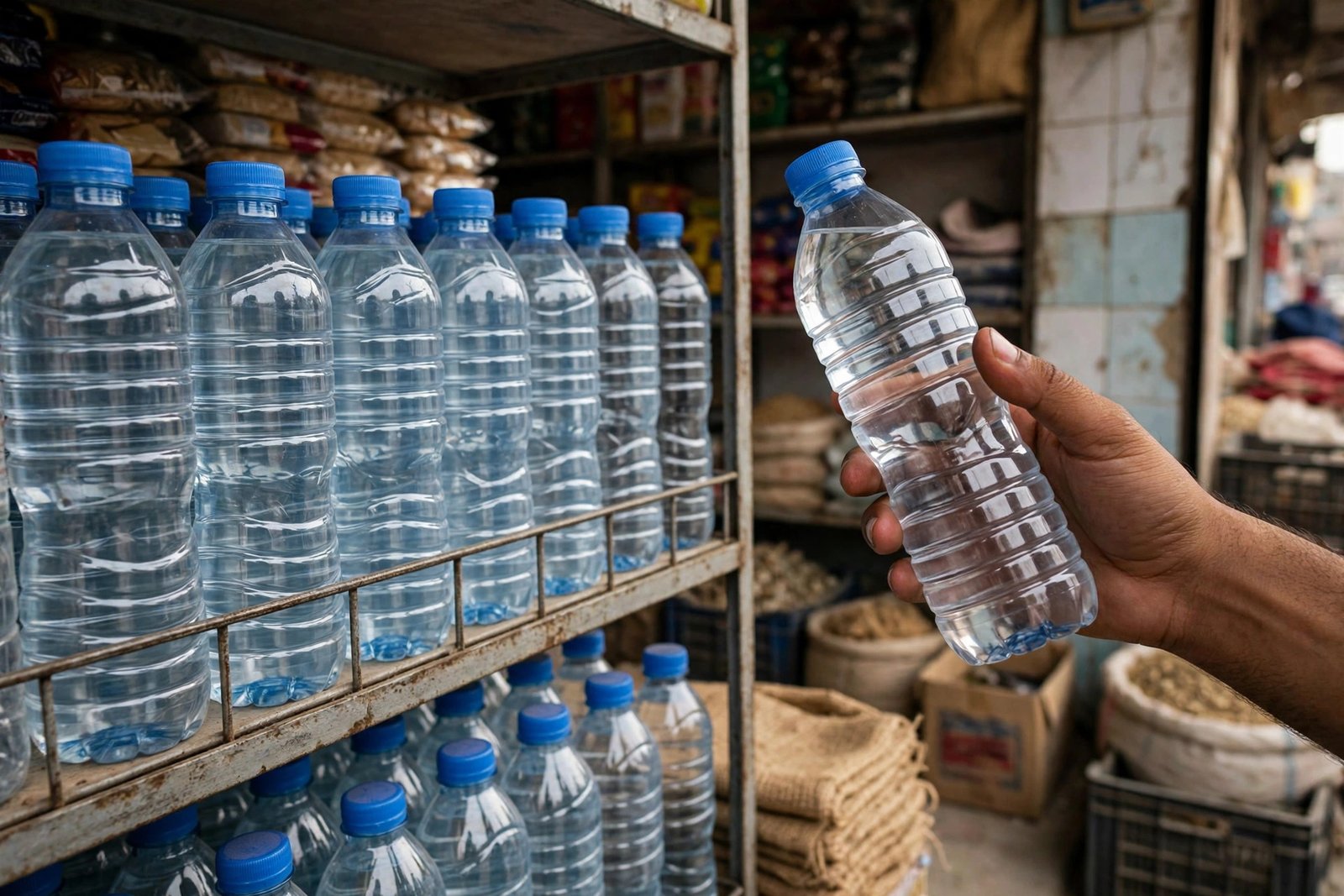
ISLAMABAD: PCRWR bottled water brands unsafe is the warning from the Pakistan Council of Research in Water Resources, which has declared 27 bottled and mineral water brands unsafe for human consumption. The council tested samples collected during the third quarter of 2026, from July to September. The brands failed the tests because of bacteria and chemical contamination. The full report is available on the council website, and consumers are being urged to check the brand they buy before they drink it.
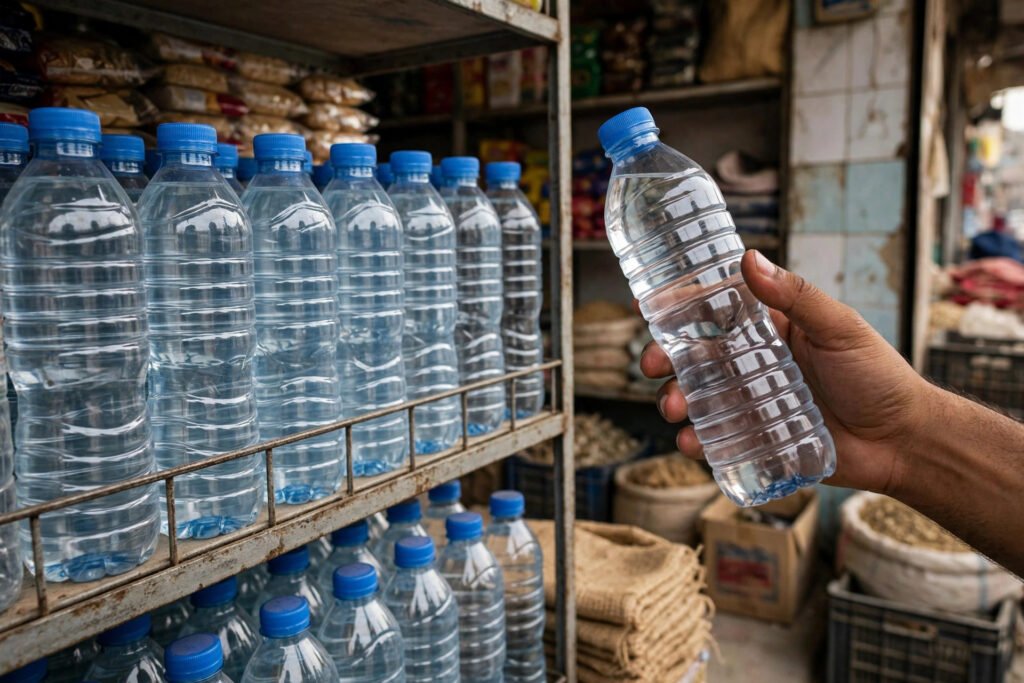
The PCRWR quarterly monitoring July September 2026 covered a large part of the country. The council collected 223 bottled water samples from 20 cities across Pakistan, from Islamabad and Rawalpindi to Karachi, Lahore, Quetta, Peshawar, Multan and Gilgit. Each sample was tested against the PSQCA bottled water quality standards, which set the limits for chemicals and bacteria in bottled water. The monitoring is carried out every quarter under government directions, so that unsafe brands are named in public.
The bottled water bacteria contamination Pakistan problem showed up in 22 brands. Those brands were found to carry bacteria, which makes the water unsafe for drinking. The list includes Aab-e-Haram, Douro, Aab-e-Makuran, Water Verse Purified, Jel Bottled Drinking Water, Sip Bottled Drinking Water and Safi Bottled Drinking Water. It also includes Pure Aqua Tech, Aqua Grain, Water Time, Al Saha, Aab-e-Hayat, K and S Aqua Sea, JERS Safe Life, Athar Premium, Aqua Dor, HHG Sweets and Bakers, Drinkly, One Flow, Zalmi Pure Mineral Water, New A2Z and Aqua Indus.
The sodium levels 94 to 164 ppm bottled water finding covered three brands. Aab-e-Haram, AB-Blue Water and HR Water Healthy Life were found to contain sodium far above the safe limit. The permissible limit for sodium in bottled water is 50 parts per million, but these three brands ranged from 94 to 164 parts per million. High sodium in drinking water is a concern for people with blood pressure and heart problems, and it is one reason the standards set a firm limit.
Readers should note that the numbers do not add up in a simple way. Three brands failed on sodium and 22 failed on bacteria, which makes 25, while the total named as unsafe is 27. The reason is that some brands appear in more than one list, and a few brands failed on other chemical grounds that were not spelled out in the short reports. Aab-e-Haram, for example, appears in both the sodium list and the bacteria list. This article names the brands exactly as the council reports list them, and it does not add brands from older reports.
This is not the first time the council has named a long list of unsafe brands. In the previous quarter, from April to June 2026, the council found 29 brands unsafe after testing 230 samples from 20 cities. That list also had 22 brands with bacteria and nine brands with excess sodium. The repeat finding shows that the problem is not a one off failure, and that some small brands keep selling water that does not meet the national standard.
The brands named in this report are mostly small and local, not the big national names that most shoppers know. That is part of the risk, because small brands are often sold in shops, offices and homes where buyers do not check the label closely. Bottled water is used widely in Pakistan, including by families who do not trust their tap water. When a bottle carries bacteria, the people who drink it can fall ill, and children and older people face the highest risk.
The council has asked the public to check the detailed report before buying a brand. The report is published on the council website, and it lists every brand that passed and every brand that failed. Checking the list takes a few minutes, and it can save a family from drinking water that is not safe. Shops and distributors are also expected to remove the named brands from their shelves, and the food authorities in the provinces can act against sellers who keep stocking them.
The next quarterly report will come after December, and it will show whether the named brands have fixed their plants or are still failing. Until then, the safest step for a household is to buy a brand that is not on the unsafe list, and to store bottled water in a cool and clean place. Clean drinking water is a basic need, and the quarterly naming of unsafe brands is one of the few public checks that shoppers in Pakistan can rely on.
Also Read:
Karachi Gets First Winter Drizzle as Cold Wave Nears City
Previous:
Iesco Adds QR Code Payment for Bills and Demand Notices
Next: