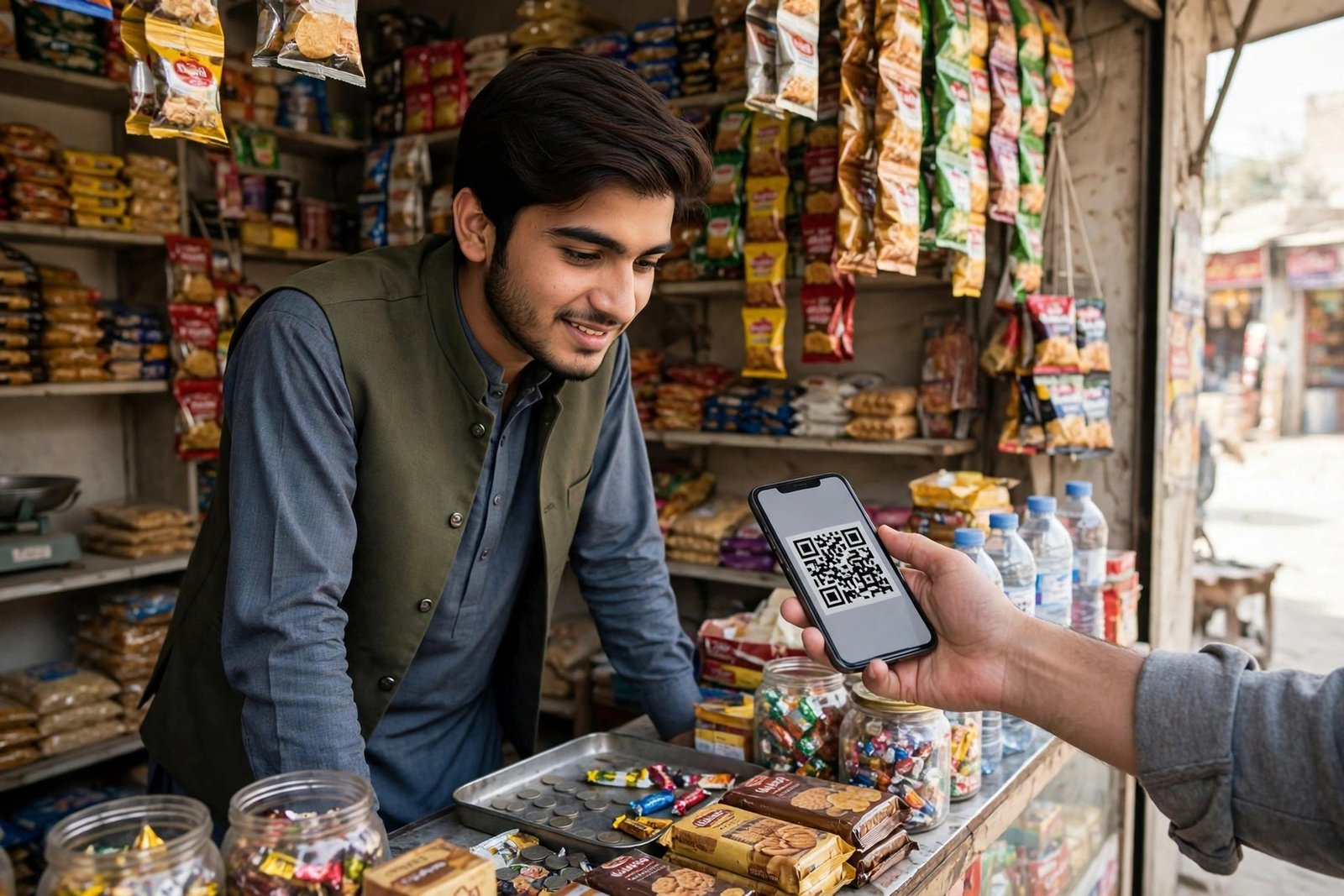
LAHORE: inDrive Pakistan bidding model AI safety is changing the way millions of Pakistanis book a ride, by letting passengers and drivers agree the fare between themselves instead of leaving the price to an algorithm. The global mobility platform, which entered Pakistan in 2019, has built its growth in the country on a simple idea that fits the way Pakistanis already do business, and it is now adding artificial intelligence to make each trip safer. For riders who are tired of surge prices and for drivers who want a fair share of the fare, the model offers something different from the fixed price apps.
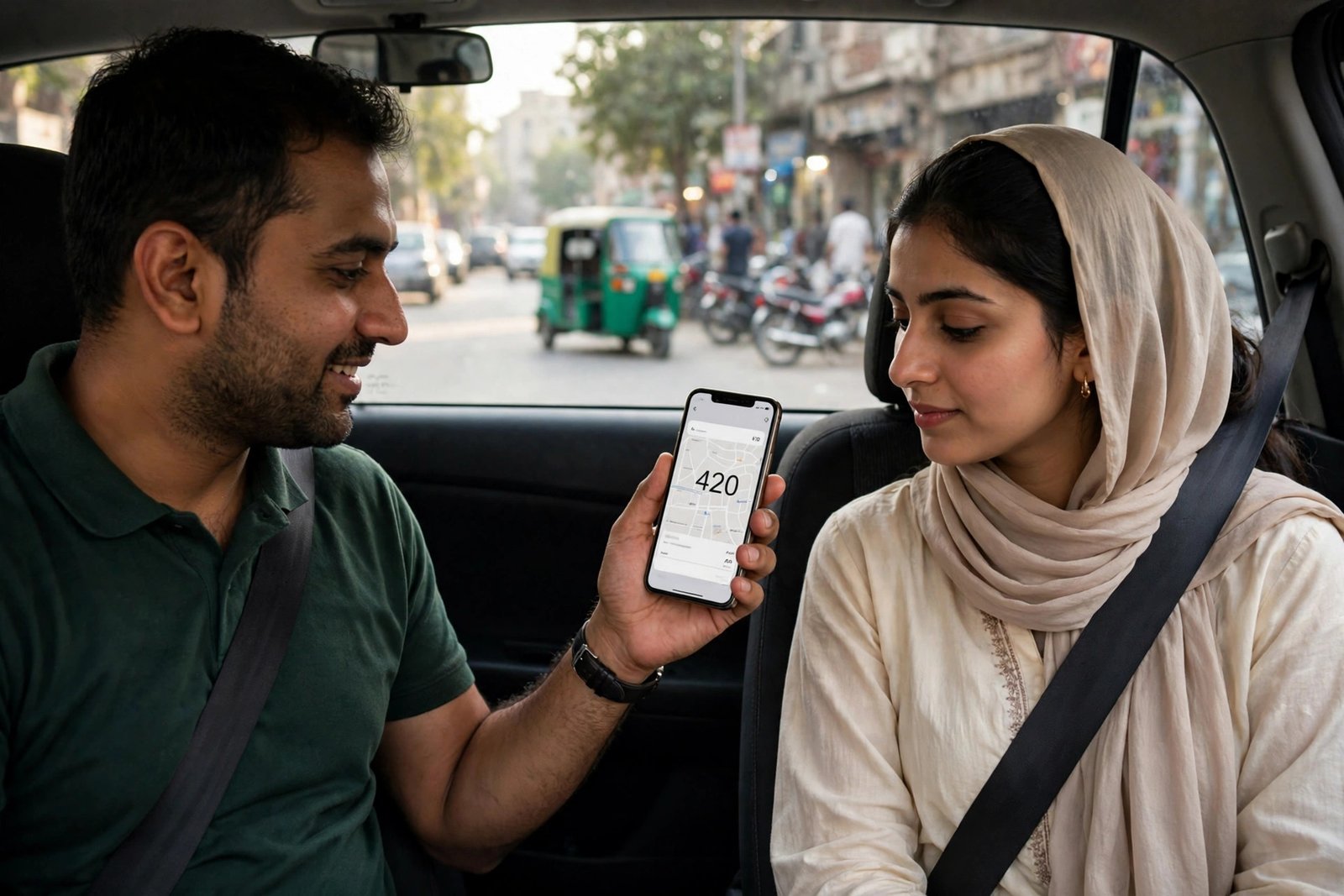
The heart of the service is a peer to peer fare negotiation model, and it works in a way that will feel familiar to anyone who has ever haggled in a bazaar. A recommended fare, calculated from live market data and updated every 30 minutes, gives both sides a starting point for the trip. Passengers can accept the suggested price, adjust it up or down, or decline it altogether, while drivers can accept the offer, counter it with their own price, or decline without any penalty. The result is a price that both sides have agreed to, rather than one imposed on them by a computer.
The model also changes how much of the fare the driver keeps, and that is a big part of its appeal. The platform charges a 7 percent commission lowest in Pakistan, which means drivers retain far more of each fare than on apps that take a quarter or more of the price. For drivers who pay for their own fuel, maintenance and vehicle, that difference can decide whether a day on the road is worth it. The low commission has helped the platform attract drivers in Karachi, Lahore, Islamabad, Faisalabad and Multan, and it is one reason the service has grown so fast.
The figures behind the model suggest that riders and drivers both like having a say in the price. According to an Oxford Economics January 2026 survey, 59 percent of riders and 54 percent of drivers in Pakistan reported completing more rides because they could negotiate and agree on fares directly. Those figures, which come from a survey carried out at the start of the year, show that the freedom to haggle is not just a gimmick, and that it changes how often people use the service. More rides mean more income for drivers and more choice for passengers.
Safety is the other half of the story, and the company says it is building an AI native safety system that watches for risk before, during and after each trip. Driver onboarding includes document verification, facial comparison and vehicle inspection, so that the person behind the wheel is who they claim to be. Artificial intelligence and machine learning also help detect duplicate accounts, suspicious account changes and prohibited content in chats, and the system combines identity checks, account activity, in-app messages and ride signals to spot trouble early. The company has also rolled out a Trip Audio Recording feature, which lets the passenger and the driver switch on recording from the app’s Safety Center during a ride.
The safety features are being used, and the company’s own figures show that riders take them seriously. According to inDrive’s internal analytics, 8.8 million users shared rides with close contacts between April and September 2026, using the ride sharing safety feature that lets family and friends follow a trip in real time. That number covers only six months, and it shows that millions of riders already use the app’s safety tools as a matter of habit. For women travelling alone, for students coming home late and for parents watching a child’s ride, the sharing feature has become part of the journey.
The company has also moved beyond the ride itself, and it has partnered with Tech Valley, a Google for Education Premier Partner, to launch a programme for the children of its drivers. The Digital Safar programme Tech Valley runs with the company offers free online digital safety and AI literacy lessons for the children of inDrive drivers in Pakistan, teaching them how to stay safe online and how to use artificial intelligence wisely. The platform has also won four awards at the Dragons of Pakistan 2026, recognising its campaigns and its ability to connect with riders across the country.
For passengers, the practical advice is simple, and it follows the same logic as bargaining in a market. A bid close to the suggested fare is more likely to be accepted quickly, while a bid far below it may leave a rider waiting on the pavement. Drivers, for their part, can see whether a passenger is paying by cash or through a wallet, and many prefer wallet payments because the money reaches their account at once. The model rewards both sides for being fair, and it punishes neither side for saying no to a price that does not work.
Readers should keep one point in mind about the numbers in this story. The 7 percent commission is the figure given by the platform and reported in The Express Tribune, but another guide to ride hailing in Pakistan puts the commission at 15 to 20 percent, so the figure should be checked against the rate shown in the app. The survey figures and the ride sharing numbers come from the company’s own analytics and from Oxford Economics, and they describe the platform’s own users rather than the whole market. With those cautions in mind, the bidding model and the AI safety tools together explain why inDrive has become a familiar sight on the roads of Pakistan.
Also Read: JazzCash Revenue Jumps 67.6pc as Payments Hit Rs6.9tr
Previous: Gilgit-Baltistan Launches Online Tax Exemption System
Next: Pakistan Turns to Satellites and AI to Predict Disasters