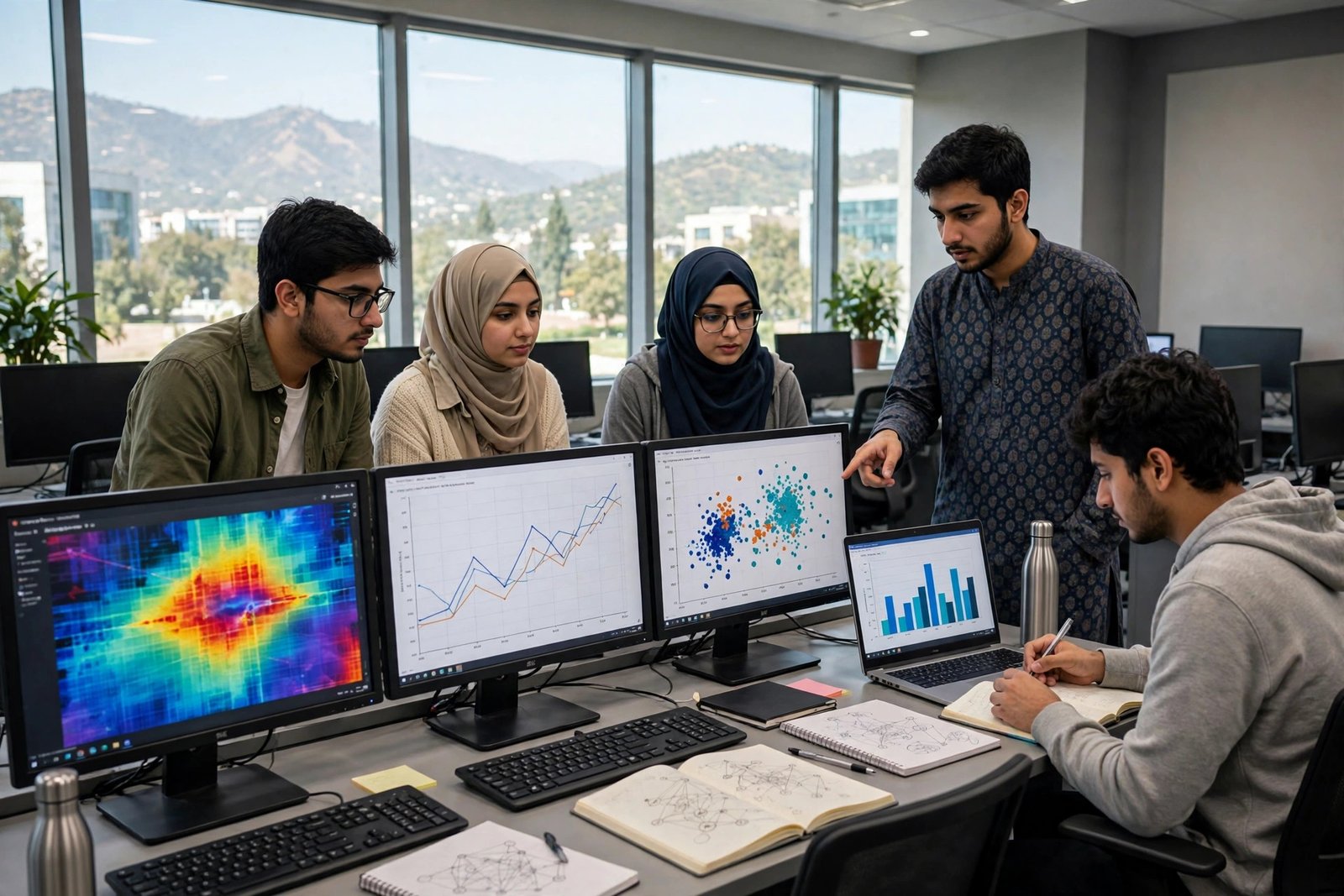
ISLAMABAD: Pakistan one million AI professionals 2030 is the target the government restated this week, as it pressed ahead with plans to make artificial intelligence a core part of the digital economy. Federal Minister for Planning, Development and Special Initiatives Ahsan Iqbal said on Thursday that Pakistan aimed to develop one million artificial intelligence professionals by 2030, as part of a broader strategy to strengthen the digital economy and expand technology cooperation with Russia. The target is ambitious, and the minister said seven new AI centres would help the country reach it.
The Ahsan Iqbal Pakistan Russia IT collaboration forum was where the target was restated, and the setting matters as much as the number. Addressing the Pakistan-Russia IT Collaboration: Industry Engagement Framework, the minister called for stronger cooperation in information technology, with joint ventures, technology partnerships, market access and pilot projects to turn business meetings into real contracts. He said cooperation with Russia could focus on automation and enterprise software for industry, digital supply chains for agriculture, secure digital systems for trade, artificial intelligence, cloud computing and cybersecurity.
The National AI Policy Pakistan July 2025 cabinet approval set the target in writing, when the federal cabinet approved the country’s first National AI Policy on 30 July 2025. The policy went further than a headcount, and it talked of 3,000 scholarships every year, 1,000 AI products built in Pakistan, 50,000 public projects running on AI, and money through an innovation fund and a venture fund to bring in private investors. It also promised training and access for women and people with disabilities, and it called for stronger cybersecurity and data protection.
The seven new AI centres Pakistan research startups and industry will be linked through are meant to connect research, skills development, startups and industry into one system. The idea is that a student who learns AI in a university should be able to work with a startup, and a startup should be able to sell its product to industry, with the centres joining those pieces together. The minister said the centres would strengthen the artificial intelligence ecosystem, though he did not say where they would be built or when they would open.
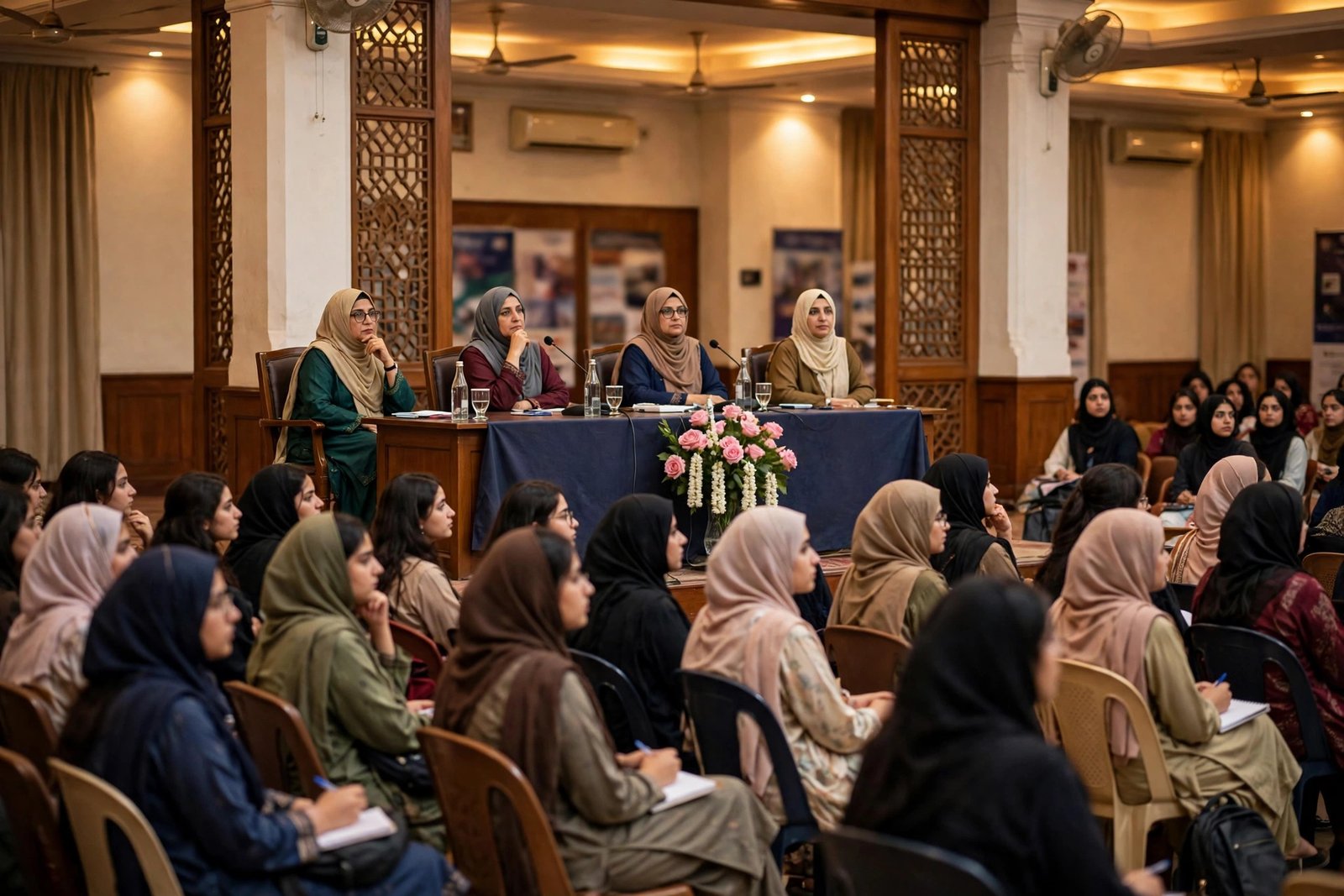
Pakistan 75000 graduates annually AI skills pipeline starts from more than 75,000 graduates a year, which the minister cited as proof that the country has the people to train. Four years to reach one million means about 250,000 people trained every single year, which is far more than the annual graduate output, so the policy must count people who are upskilled rather than only fresh graduates. The policy does count upskilled professionals and business people, not just new degree holders, and that is how the government says the numbers can add up.
The HEC mandatory AI course universities Pakistan introduced this autumn is one of the practical steps behind the target. The Higher Education Commission announced in March 2026 that a three-credit-hour artificial intelligence course would become compulsory for every undergraduate degree programme in the country, public and private, starting this autumn semester. The aim is to prepare graduates for the digital economy, and later reporting has described the requirement as extending to postgraduate programmes as well, though the exact scope has been reported differently in different places.
The money behind the plan is also large on paper. In February 2026, Prime Minister Shehbaz Sharif announced a 1 billion dollar national AI investment plan running to 2030, covering 1,000 AI-focused PhD scholarships, training for one million non-IT professionals in digital skills, and outreach to universities and technology hubs across the provinces. Separately, the government has outlined a National AI Ecosystem Development Programme with a projected five-year outlay of Rs283 billion through 2031, though the initial allocation for the current financial year is only Rs185 million.
The minister also placed the AI plan inside a bigger economic vision, saying that e-Pakistan was one of five core pillars of the National Economic Transformation Plan, with the government aiming to turn the country into a trillion-dollar economy by 2035. That is a long-term goal, and the AI target is one piece of it. The Pakistan-Russia forum itself was part of the same push, as the two countries look to technology to revive trade that collapsed over payment problems, and to turn handshakes into contracts.
Readers should keep one point in mind about this story. The one-million figure is an announced policy aim, not a reported count of people already trained, and neither the minister’s remarks nor the reports of them give milestones, interim targets or current training totals, so progress towards the target is unclear. The test will come when the government publishes enrolment and completion figures, and explains how the seven new AI centres will operate and who will teach the courses.
Also Read: inDrive Lets Pakistan Riders Haggle Fares With AI Safety
Previous: Pakistan Cement Sales Hit Five Year October High in 2026
Next: Pakistan Faces Wetter November as Heat Lingers, PMD Says