LAHORE: Pakistan cement sales October 2026 reached their highest level for the month in five years, as a small rise in home demand was enough to offset a fall in exports. Total cement dispatches, which count both local sales and exports, stood at 4.81 million tonnes in October, up 0.37 percent from 4.792 million tonnes in the same month last year. The figures show that construction activity is slowly recovering, even though the growth is modest and exports remain under pressure.
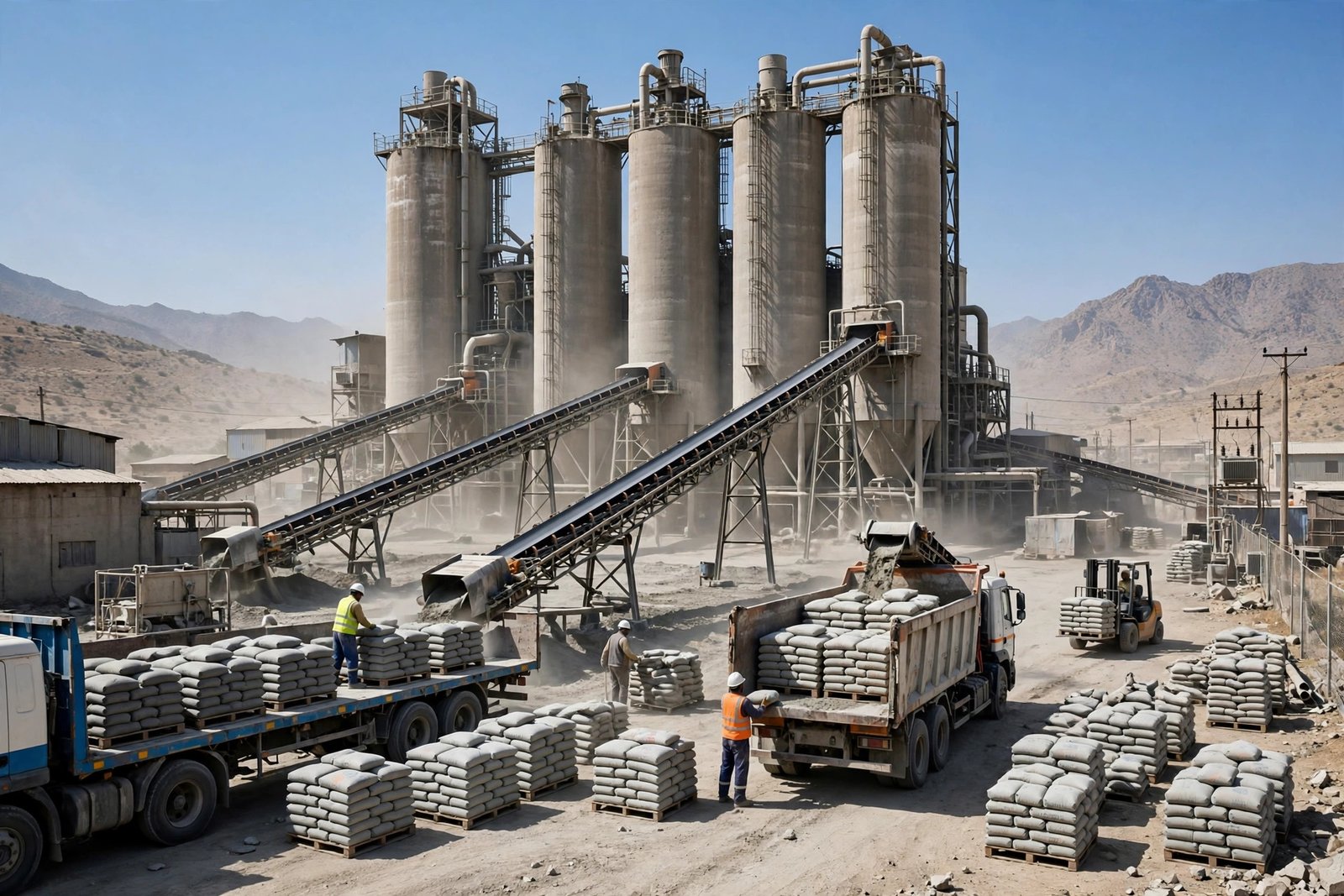
The All Pakistan Cement Manufacturers Association APCMA released the figures on Tuesday, and the detail shows a market split in two directions. Pakistan cement domestic dispatches 4.041 million tonnes rose 1.17 percent in October from 3.994 million tonnes a year earlier, and that level was the highest for domestic sales since June 2022. Recovering construction work supported the increase, although annual growth stayed modest because October last year was already strong, when domestic sales had risen 15 percent after post-flood rebuilding demand.
Pakistan cement exports 768754 tonnes October fell 3.67 percent from 798,019 tonnes a year earlier, and the drop was mainly linked to the closure of the border with Afghanistan. Exports from south-based mills actually rose 12.40 percent to 768,754 tonnes, but the north-based mills exported nothing at all in October, compared with 114,082 tonnes in the same month last year. That gap between the north and the south is one of the clearest signs of how the border closure has hit the industry.
North cement mills no exports October 2026 was the sharpest detail in the data, and it shows how much the northern plants depend on cross-border trade. Domestic sales by north-based mills edged up only 0.13 percent to 3.397 million tonnes, while their total dispatches fell 3.13 percent because exports vanished. South-based mills did better at home, with domestic sales up 7.05 percent to 643,816 tonnes, and their export growth kept the national export total from falling further.
The Pakistan cement price Rs1604 per bag average in October was about 15 percent higher than a year ago, when a bag cost about Rs1,404, according to research by Topline Securities. Higher prices, higher transport costs and political uncertainty in Khyber Pakhtunkhwa were all weighing on demand before the figures came out, and the brokerage had expected domestic sales to fall slightly. The actual result was a small rise instead, which suggests that construction demand is holding up better than feared, even at higher prices.
The first four months of the financial year tell a steadier story than October alone. Total cement dispatches from July to October rose 2.93 percent to 17.953 million tonnes from 17.442 million tonnes in the same period last year. Domestic dispatches rose 5.93 percent to 14.889 million tonnes, while exports fell 9.51 percent to 3.064 million tonnes from 3.387 million tonnes. The pattern is the same as in October: home demand is growing, exports are shrinking, and the home market is carrying the industry.
Month on month, the picture was brighter, with total dispatches up 4 percent from September, supported by a 7 percent rise in domestic sales, while exports fell 8 percent. Lucky Cement was expected to record total dispatches of about 940,182 tonnes in October, up 4 percent from a year ago, while Bestway Cement was expected to rise 9 percent to about 709,184 tonnes. Fauji Cement was also expected to do well, with total dispatches up 5 percent and domestic sales up 15 percent, while Maple Leaf Cement was expected to fall 8 percent.
Looking ahead, analysts expect domestic cement dispatches to grow by about 8 percent in the current financial year, and AKD Securities kept an overweight stance on the sector, citing recovering domestic demand, relatively stable margins and falling debt levels. The hope is that construction work, including housing, roads and rebuilding after the floods, will keep demand rising through the year. The risk is that prices stay high and exports stay weak, which would leave the industry dependent on the home market alone.
Readers should keep one point in mind about these figures. Cement sales are a useful guide to construction activity, but they are not the whole story, because the figures count dispatches from factories rather than actual building work, and they cover only the members of the manufacturers association. The October high is real, but it is a small rise on a strong month last year, and the industry will need several more months of growth before anyone can call it a full recovery.
Also Read: Refineries Say Petrol Pricing Forces Sales Below Cost
Previous: Indus Motor Profit Rises as Car Sales Grow 34pc in Quarter