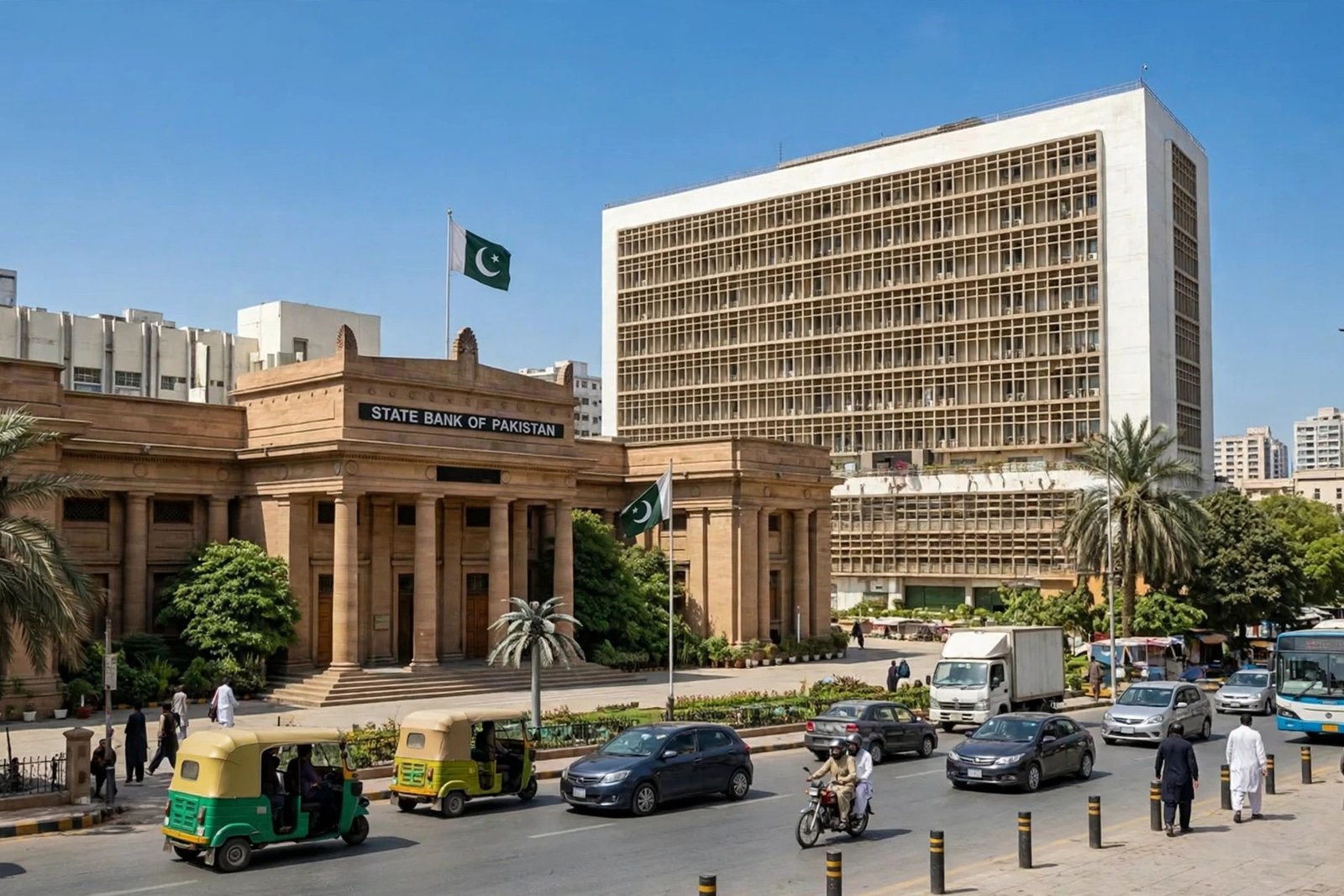
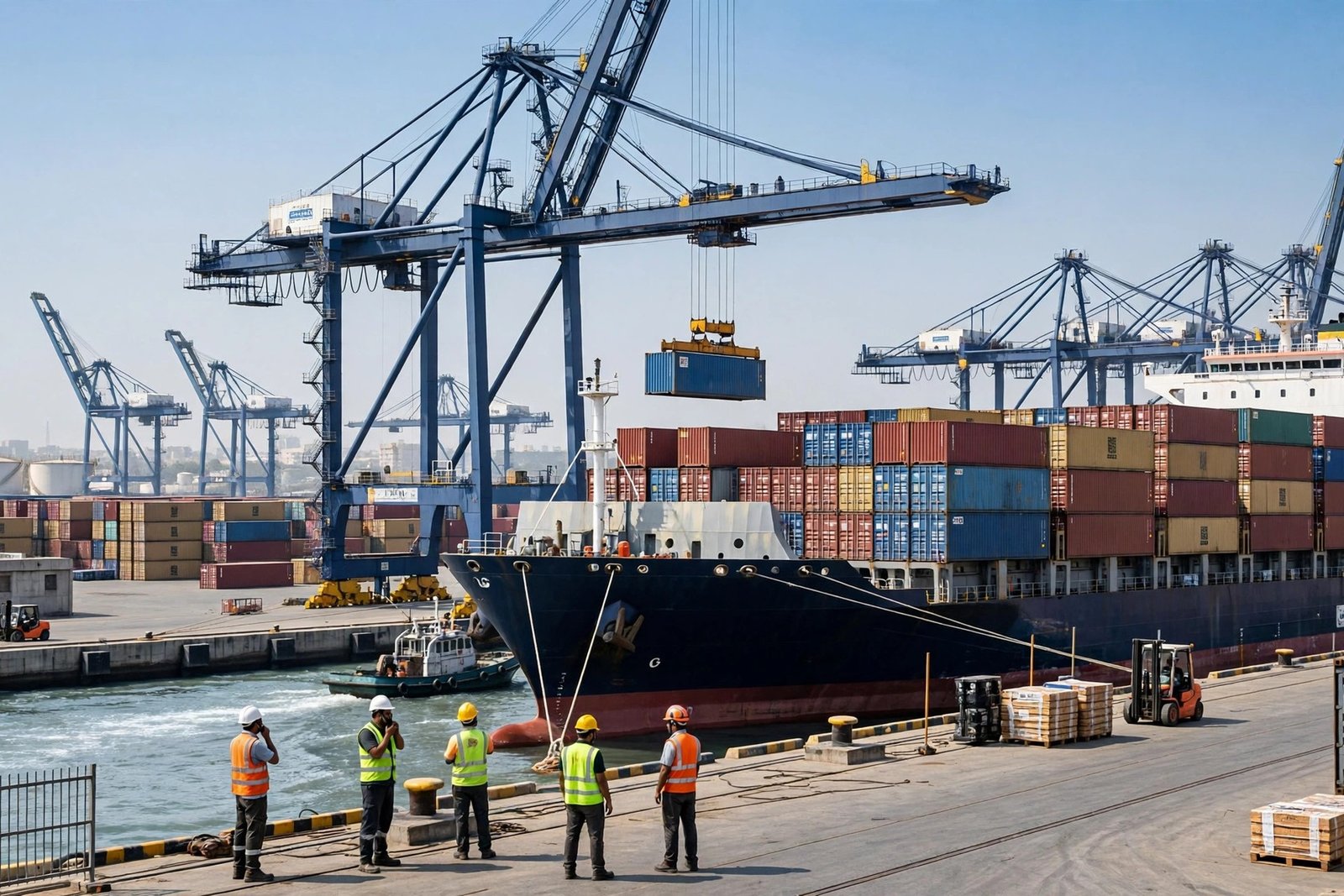
ISLAMABAD: World Bank 150 million Sindh property tax financing has been approved to help Sindh raise more of its own revenue and improve municipal services, with Karachi at the centre of the plan. The World Bank Group board of executive directors cleared the money on 30 October for the Sindh Property Revenues Enhancement Programme, and the approval was announced on 31 October. The programme will support the provincial government in improving urban property tax collection and in building the capacity of local councils to deliver services.
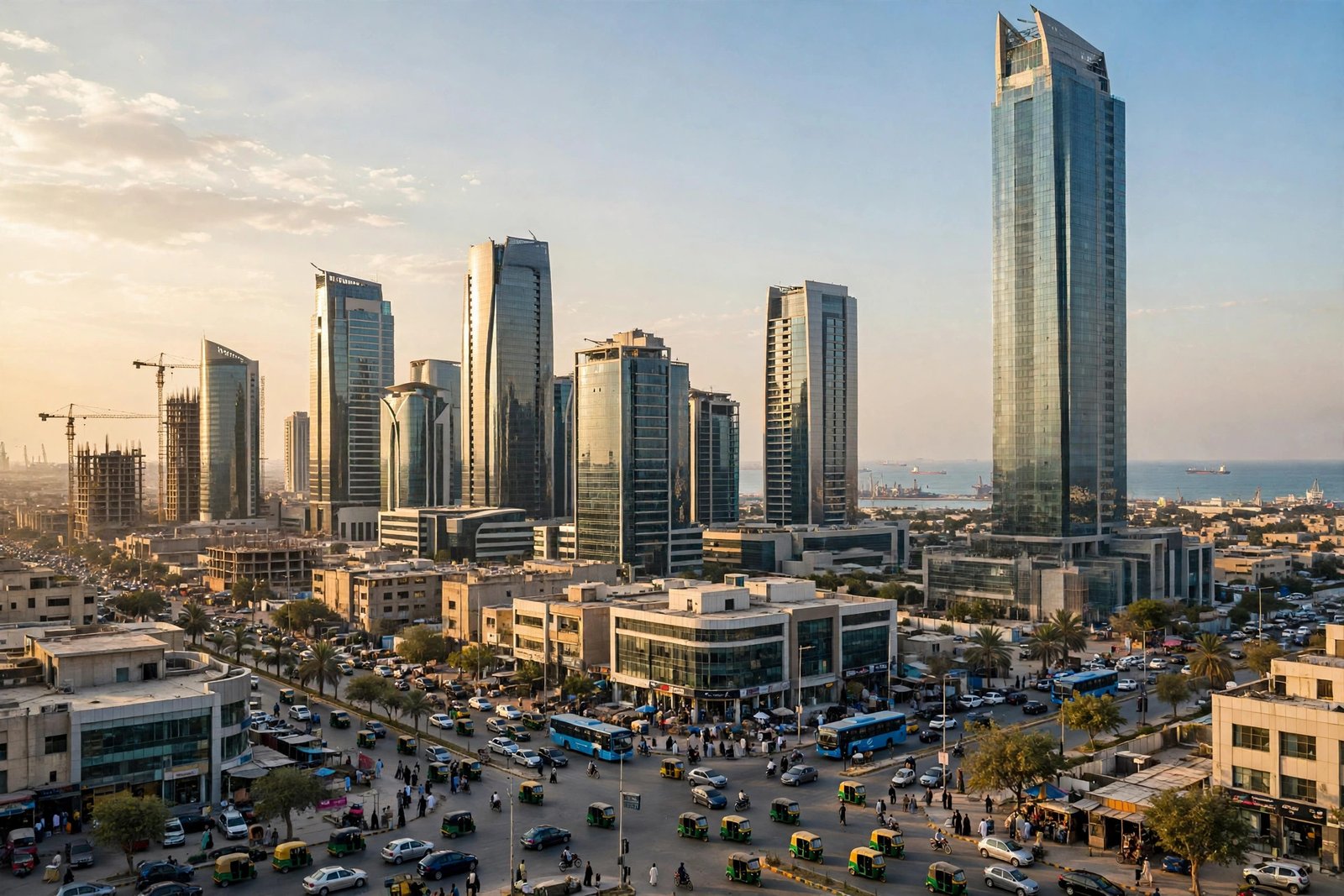
The money will fund the Sindh Property Revenues Enhancement Programme PREP, which focuses on the urban immovable property tax, the tax that owners pay on buildings and land in cities. Karachi, despite being one of the largest cities in the world, collects only a tiny amount of this tax today, and the programme aims to change that by widening the tax net, improving property records and making payment easier. The World Bank said the programme would also strengthen municipal service delivery in selected local councils across Sindh.
Karachi property tax 8.5 million dollars a year is all the city collects now, and that figure shows how weak the system is. Cities of a similar size elsewhere in the world collect between 82 and 350 times more property tax than Karachi, according to the World Bank. The gap is not because Karachi has few buildings, but because so few owners are on the tax record and so few of those who are listed actually pay. Better surveys, clearer records and fairer billing are meant to close that gap.
The Karachi property tax 85 million dollars target is the goal the programme sets for the city, which would be ten times the current collection. To reach it, the programme aims to raise compliance from 20 percent to 50 percent, so that half of the owners who should pay actually do. About 70 percent of the revenue collected will go back into infrastructure and services in the councils that take part, which means the money raised in an area should be spent on that area roads, drains, street lights and water supply.
Bolormaa Amgaabazar World Bank Pakistan country director said cities that can raise their own revenues are better placed to plan and invest for the long term. Her point is simple: a council that depends on money sent from the province cannot plan its own budget, while a council with its own tax income can decide what its streets and neighbourhoods need most. The programme will benefit Karachi 25 local councils, covering about 3.58 million people who should see better services as the money comes in.
Sindh local councils 95 percent provincial transfers fund almost all of their spending today, and that dependence is the problem the programme wants to fix. When more than 95 percent of a council income comes from the province, the council has little reason to collect its own taxes and little money of its own to spend. The World Bank financing is meant to break that pattern by helping councils survey properties, keep proper records and collect the tax they are owed, so that they can stand on their own feet over time.
The programme also includes a 40 million dollar Investment Project Financing component that will expand property surveys and tax administration to 20 local councils in other urban centres of Sindh. That part of the programme is expected to benefit about 4.5 million people indirectly, by improving the way their towns are run and the services they receive. The surveys will map properties that have never been recorded, so that the tax net covers the whole city rather than only the owners who already pay.
Property tax is one of the fairest taxes a city can raise, because it is based on the value of the property a person owns, and it is also one of the hardest to collect when records are out of date. Many buildings in Karachi have changed hands, been extended or been rebuilt without the records being updated, and that is why the tax base is so narrow. The programme will use modern surveys to fix the records, and it will link the tax to services so that people can see what their money pays for.
Readers should keep two points in mind about this story. First, the 150 million dollars is financing, which means it is a loan that must be repaid, not a grant, and its value will depend on whether the reforms actually raise collections. Second, the approval was given on 30 October and announced on 31 October, so this is a programme that is just starting, and the test will come in the next few years, when Karachi residents can judge whether their property tax bills are fairer and whether their streets, drains and water supply have improved.
Also Read: Refineries Say Petrol Pricing Forces Sales Below Cost
Previous: Larkana Gets 600 Bed Hospital With Free Treatment by 2028
Next: Indus Motor Profit Rises as Car Sales Grow 34pc in Quarter