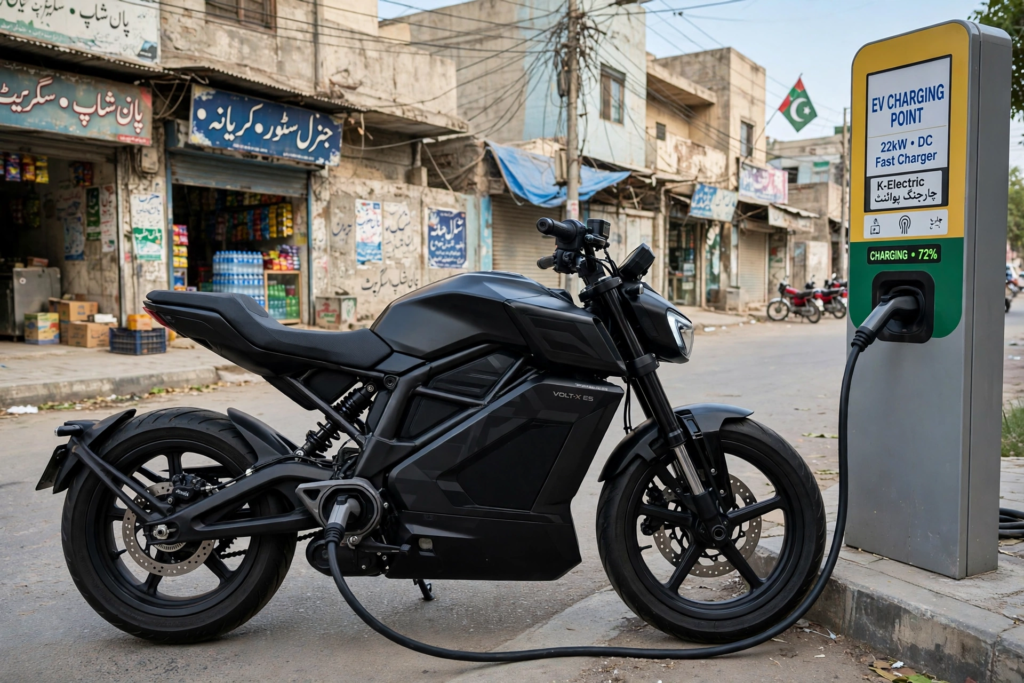
Pakistan electric bikes are moving from showroom curiosity to everyday transport, as commuters, students and delivery riders look for a cheaper, quieter way to get around. For many riders, the running cost is the main attraction: charging a battery at home costs far less per kilometre than filling a petrol tank, and electric motors need less routine maintenance than a petrol engine.
The appeal is easy to understand in cities where daily travel is short and stop-start traffic is the norm. A Pakistan electric bike can handle school runs, office commutes and local deliveries without the noise, heat and exhaust of a petrol bike, and riders can top up the battery overnight instead of queuing at a fuel station.
Why riders are switching to Pakistan electric bikes
Fuel prices have pushed many households to count every rupee spent on travel, and that has changed the maths for two-wheelers. Electric bikes suit riders who travel a fixed daily route, park at home or at work, and want predictable running costs. Delivery riders, who cover long distances in a day, are also watching the segment closely, because even a small saving per kilometre adds up quickly.
Choice is improving too. Buyers can now compare different battery sizes, ranges and charging times, and look for models built for local roads rather than only for showroom display. A practical Pakistan electric bike for daily use is one that offers enough range for a full day, a battery that can be charged from a normal socket, and after-sales support close to home.
Charging remains the bottleneck
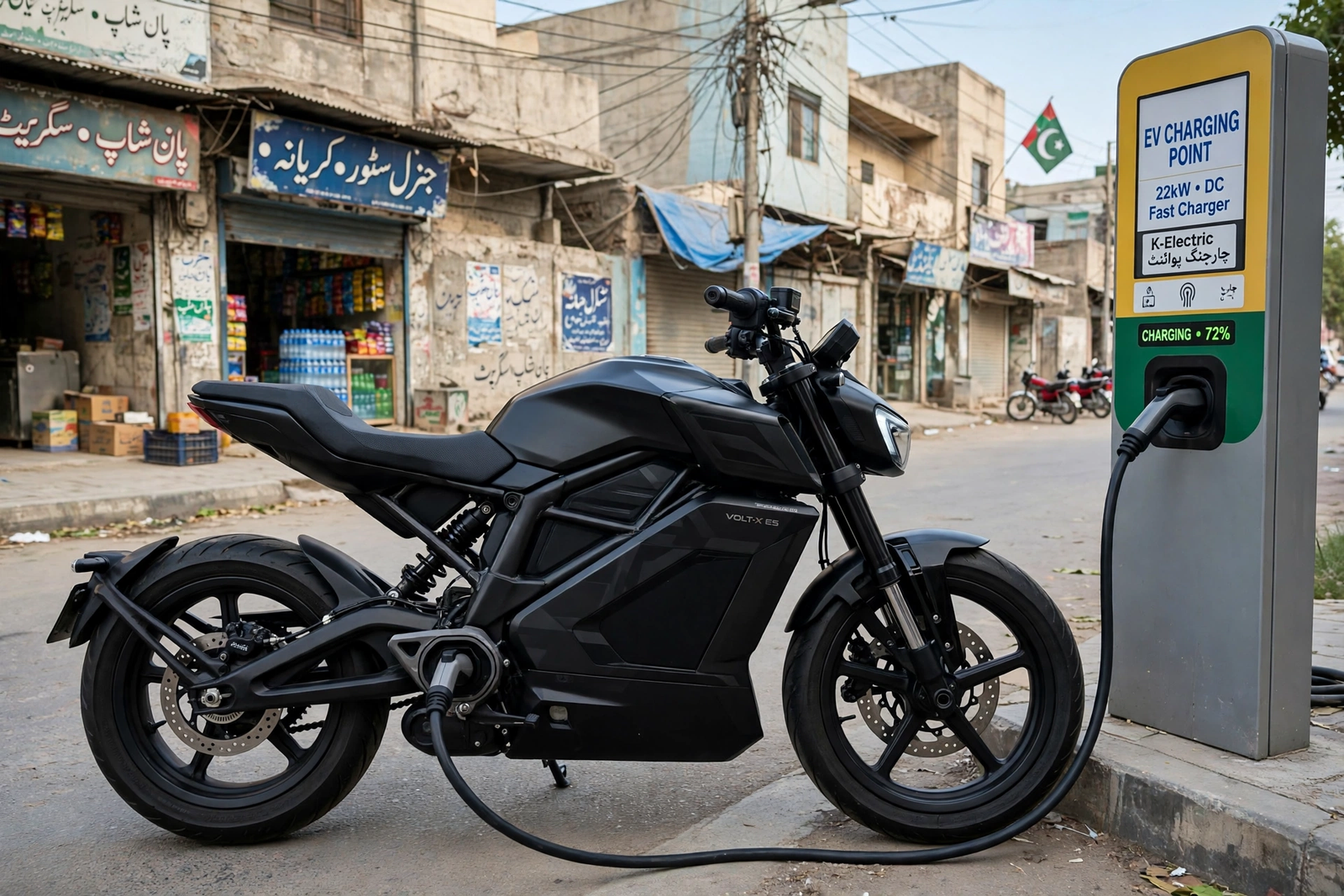
The shift is slowing where charging is hardest. Most riders still depend on home charging, because public charging points for two-wheelers are few and far between, especially outside major cities. Apartment dwellers, riders without a secure parking space, and people who travel long distances in a day face the same question: where will the bike charge, and how long will it take?
Battery concerns add to the hesitation. Buyers want clear information on battery life, replacement cost and warranty, and they want to know that a service centre will still be there in a few years. Until charging and battery support are as easy as buying petrol, many potential buyers will wait, even if they like the idea of an electric bike.
What would speed up the shift
More charging points in markets, offices, petrol stations and housing societies would make the biggest difference, along with simple battery-swapping options for riders who cannot wait for a full charge. Clear standards for chargers and batteries, trained mechanics, and honest range figures would also help buyers compare models with confidence.
For now, Pakistan electric bikes are best suited to riders with a regular route and a reliable place to charge. As charging gaps close, the same bikes that today work for short city trips could become the default choice for a much larger share of daily travel across Pakistan.
Also Read: PITB MoU Signed With University Of Lahore And University Of Sargodha | Used Car Import
Students and young riders are also at the centre of a skills push in Punjab, where PITB MoU Brings Makerspace Labs To Lahore And Sargodha aims to give learners hands-on experience with new technology.