The Punjab Information Technology Board, known as PITB, has signed new agreements with two universities to expand its Makerspace Punjab programme. The Memorandums of Understanding, signed on Monday, 2 November, cover the University of Lahore and the University of Sargodha. The aim is to promote research collaboration, innovation and technology driven product development, and to give students and teachers better access to labs, mentors and hands on training.
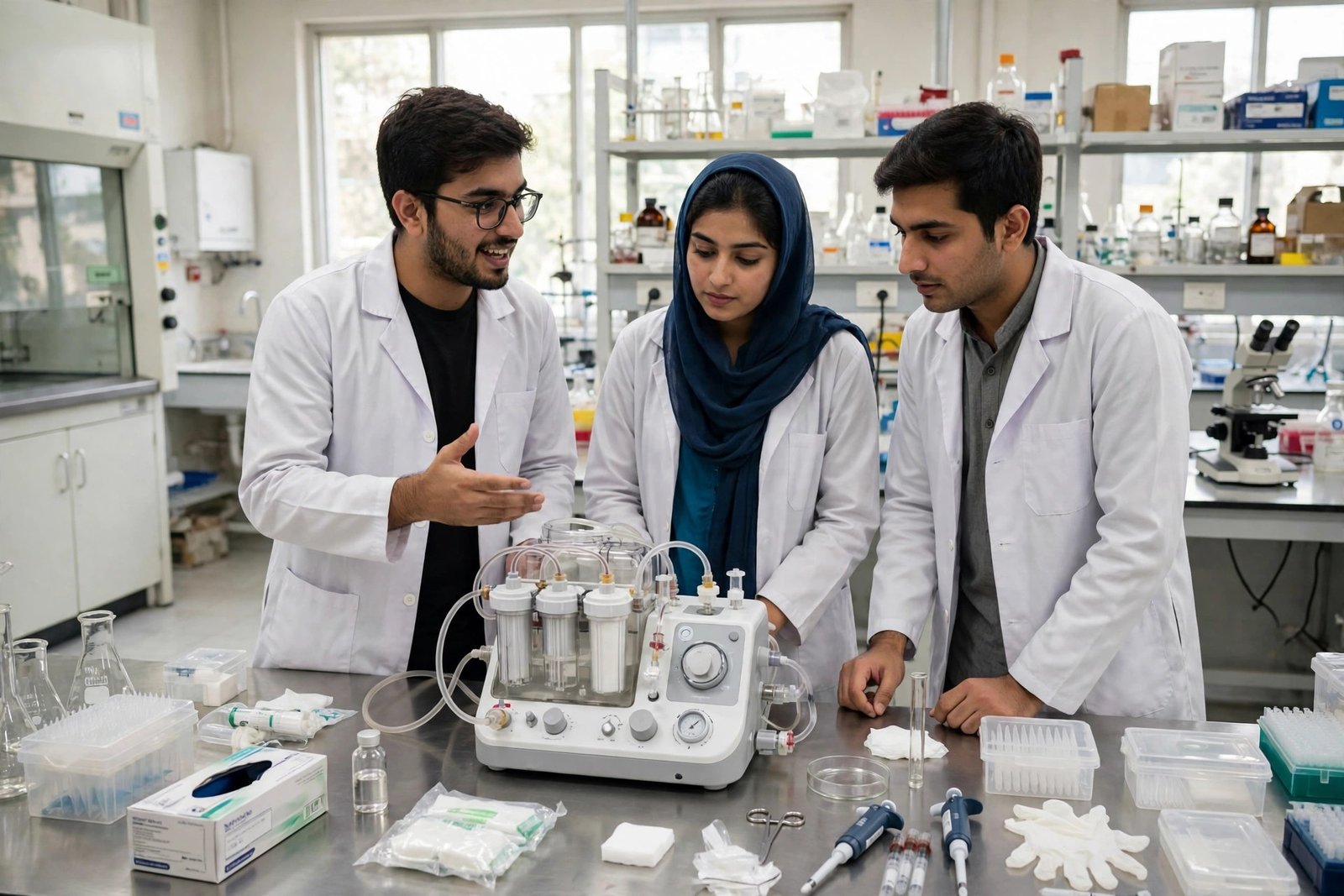
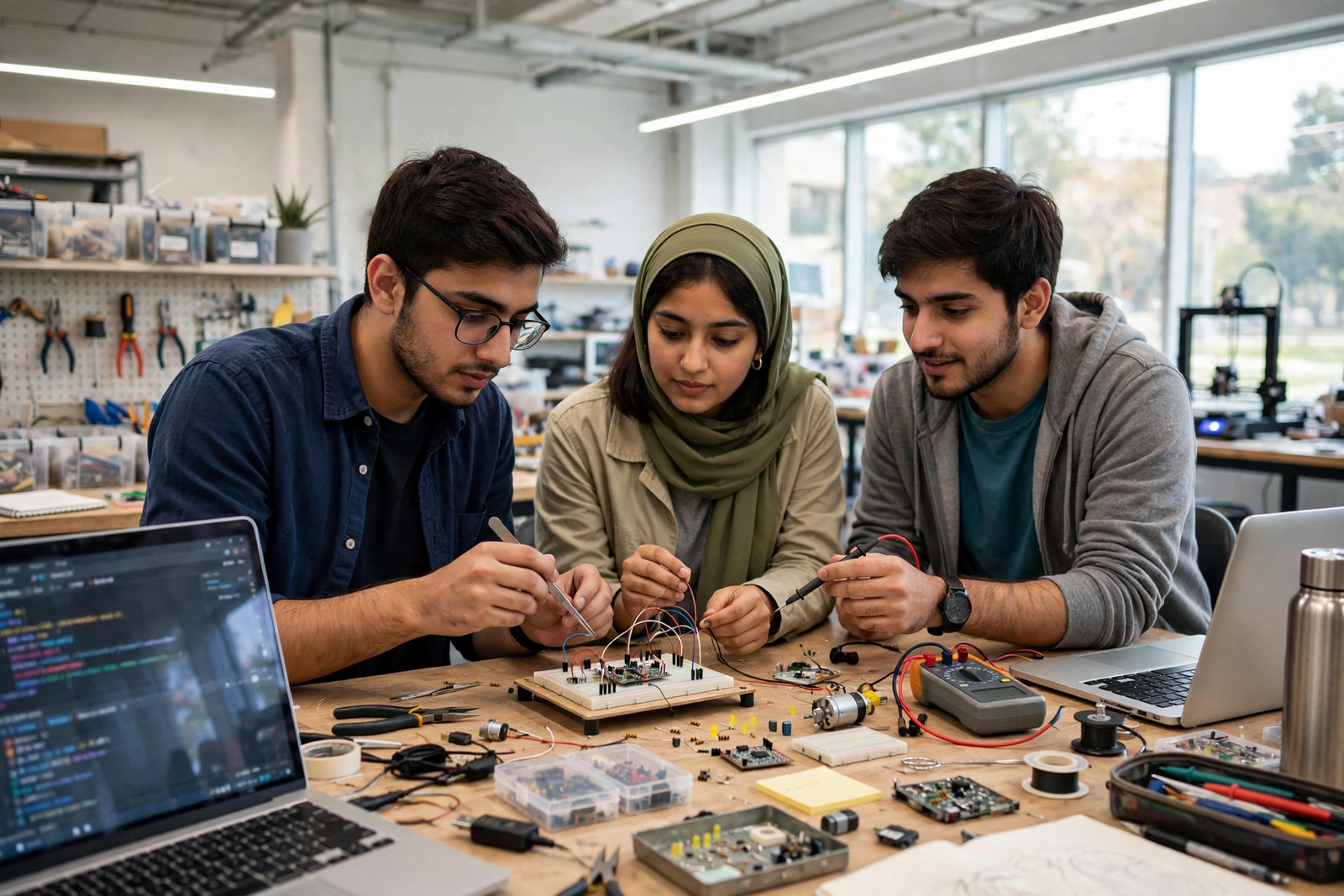
Makerspace Punjab is an initiative of the Chief Minister of Punjab. Its basic idea is simple. Instead of learning technology only from books and lectures, students should be able to build, test and improve real products. A makerspace provides tools, machines, workbenches and guidance, so a student with an idea for a device, an app, a sensor or a small machine can turn that idea into a working prototype. That step, from idea to prototype, is often where young innovators get stuck, because they lack equipment, expert advice or a safe place to experiment.
Under the new agreements, students, researchers and faculty members at the two universities will gain access to specialised laboratories, technical mentorship, training and prototyping facilities. That means a final year engineering student, a computer science researcher or a teacher with a classroom problem to solve could use the makerspace network to test a solution, rather than only writing about it. For universities outside Lahore, such access can be especially valuable, because advanced labs are often concentrated in big cities.
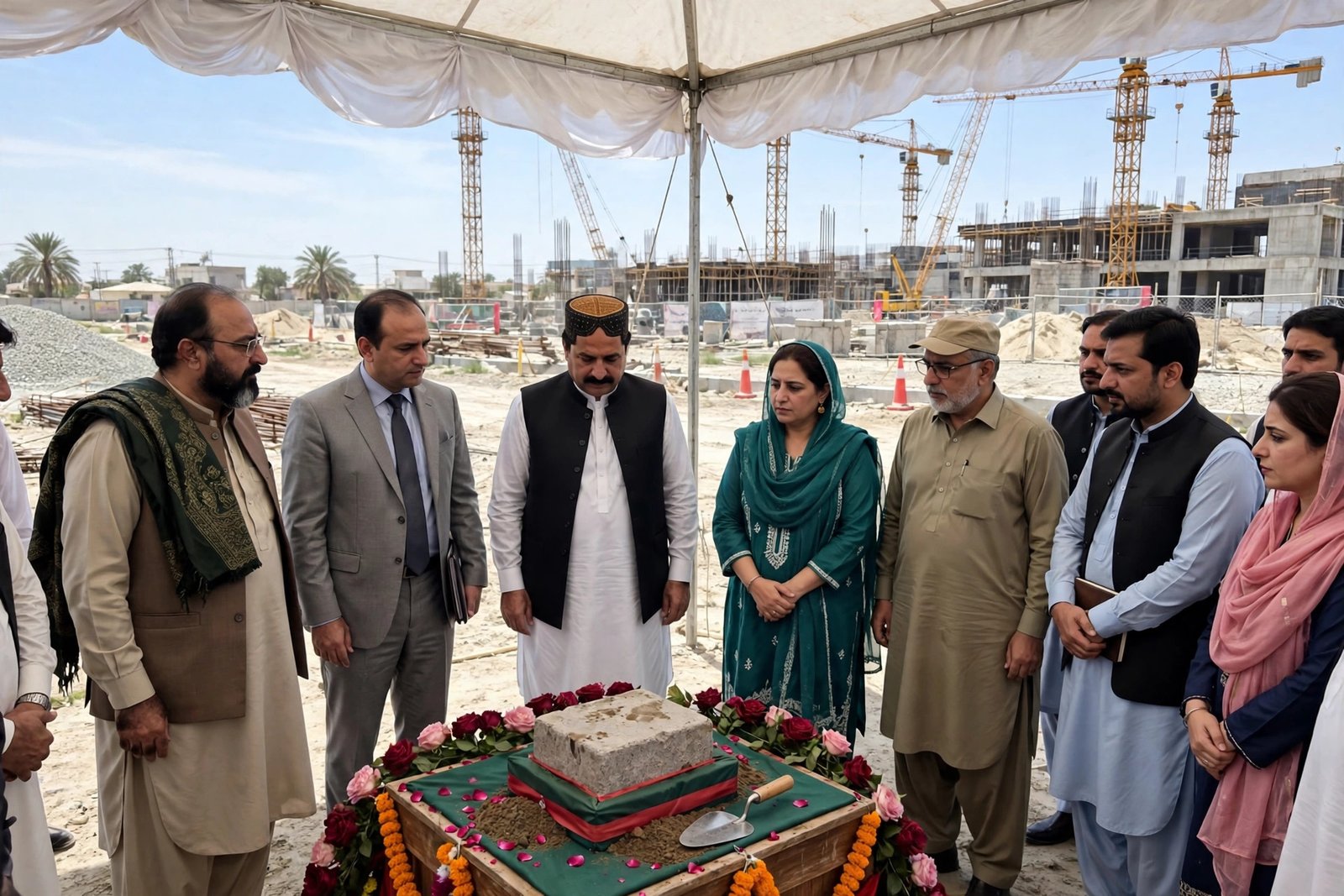
The agreement with the University of Lahore was signed by PITB Director Skills Development Ahmad Islam Syan and by Dr Amjad Pervez, who serves as Director Strategy and Internationalisation and Director Innovation Hub at the university. The agreement with the University of Sargodha was signed by PITB Director General e-Governance Sajid Latif and Vice Chancellor Professor Dr Tasawar Hayat, in the presence of Ahmad Islam Syan and the Makerspace Punjab team. The presence of senior leaders from both sides signals that the partnership is meant to be active, not just a paper signing.
These two agreements follow earlier Makerspace Punjab agreements signed in October 2026 with other institutions, including COMSATS University Islamabad Lahore Campus, the University of Education Lahore, and the University of the Punjab Lahore. Taken together, the growing list shows a pattern. PITB is building a network of university partners across Punjab, rather than working with one campus alone. A network allows ideas, mentors and equipment to be shared, and it gives students in different cities a chance to learn from each other.
For students, the benefit is practical. Many graduates leave university with good exam results but limited experience of building a product, working in a team on a technical problem, or presenting an idea to an industry partner. A makerspace experience can fill that gap. A student might learn how to use a 3D printer, how to wire a sensor, how to test a circuit, or how to turn a research finding into a small device that solves a local problem, such as water saving, crop monitoring or low cost health tools. Those skills are valued by employers, and they also help young people who want to start their own small ventures.
For teachers and researchers, the partnership offers a different kind of value. Research often stays in journals and conference papers, and it can take years before it reaches people who need it. A makerspace link encourages researchers to think early about users, costs and real world testing. A professor working on a low cost device, for example, could test it with students, get feedback, improve the design, and then share the result with a local business or a government department. That path from lab to community is at the heart of the Makerspace Punjab idea.
There are challenges to watch as well. Labs need maintenance, trained staff and safety rules. Equipment that is not looked after quickly becomes unusable. Mentorship needs time from busy professionals, and students need clear guidance on how to use shared spaces fairly. A partnership agreement is a starting point, not a guarantee. Its success will depend on regular workshops, open lab hours, student projects that actually get built, and honest reporting of what works and what does not.
Parents and students considering these universities may also want to know how to take part. The agreements point to access for students, researchers and faculty, but each university will need to share its own process for booking labs, joining training and proposing projects. Students should ask their departments about makerspace sessions, and teachers should share opportunities in class, so the benefit reaches beyond a small group of already confident students.
For Punjab’s wider technology goals, the move fits a familiar direction. The province wants more young people skilled in information technology, hardware and product design, and it wants universities to work more closely with industry. Makerspaces are one tool among many, alongside courses, internships and startup support. Used well, they can turn a campus into a place where ideas are tested, not just taught.
For now, the confirmed facts are clear. On 2 November 2026, PITB signed Memorandums of Understanding with the University of Lahore and the University of Sargodha under Makerspace Punjab, promising access to labs, mentorship, training and prototyping facilities for students, researchers and faculty. The next test will be what students build with that access in the months ahead.
Also Read: PIA Dreamliner Arrives In Islamabad On First UK Flight
Also Read: Pakistan Electric Bikes Surge As Charging Gaps Slow Shift