ISLAMABAD: National CERT AI cyberattacks banks Pakistan warning has been issued to banks, financial institutions and the operators of critical infrastructure across the country. The National Cyber Emergency Response Team says attackers are now using artificial intelligence to find weaknesses, steal login details and strike in coordinated waves. The warning is one of the clearest signals yet that the threat to the digital economy has moved from casual hacking to automated crime at machine speed.

The advisory is called Emerging AI-Enabled Cyber Threats Targeting Financial Institutions and it covers banks as well as the industrial systems that run power, water and transport. It says criminals are using artificial intelligence alongside automated bots, botnets and agentic tools, which are software agents that can carry out multi step tasks with little human control. These tools let attackers scan for weak points, gather information about a target and launch attacks on a much larger scale than before. The advisory was issued on 5 November, according to Minute Mirror, and reported widely on 6 and 7 November.
The warning is specific about where banks are exposed, and it names core banking systems, digital banking platforms, payment gateways and the application programming interfaces that let apps and services talk to each other. The risks include disruption of online banking, automated attempts to log in to customer accounts, and even the manipulation of account balances shown to customers on their screens. Banks have been told to check displayed balances against their core records on a regular basis.
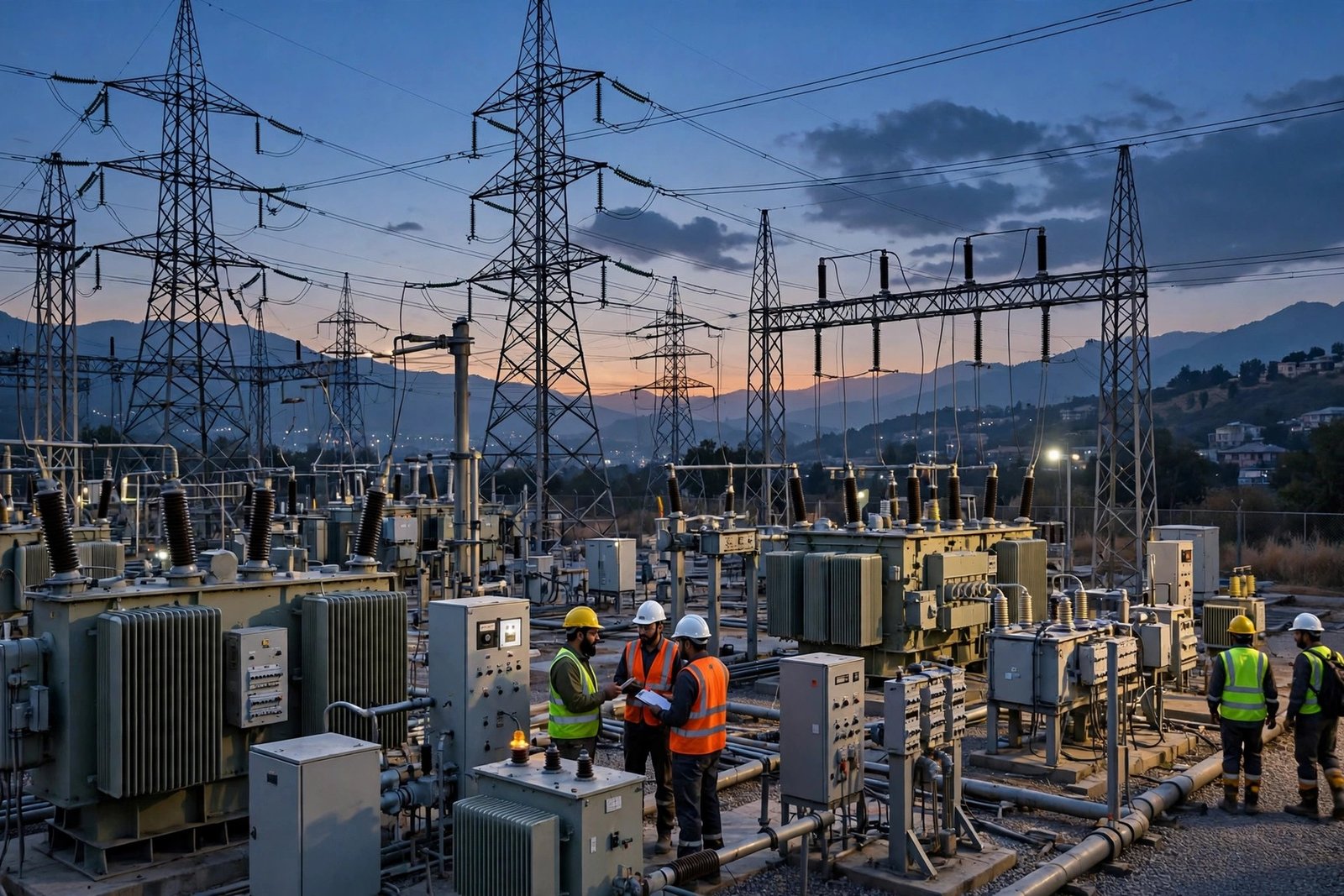
The danger is not limited to banks, because operational technology oil gas power water and other essential services are also named in the advisory. Operational technology is the name for the systems that run physical processes such as valves, pumps and power grids, and the advisory lists oil and gas facilities, power networks, water utilities, manufacturing plants and transport systems as targets. Weak points include industrial control systems, connected internet devices and poorly secured remote access. An attack on these systems could have physical and commercial effects, not just a data loss.
The advisory points to recent incidents in Europe, where attacks on connected refrigeration and freezer systems in supermarkets showed what can happen when operational systems are hit. It adds that the involvement of artificial intelligence in those European incidents has not been confirmed. The same care applies at home: the advisory describes a growing risk and sets out safeguards, but it does not name any Pakistani bank or utility as a victim, and no institution has publicly confirmed an AI enabled breach.
The advice given to banks is practical rather than theoretical, and multi factor authentication banks Pakistan must now treat as a basic step is at the top of the list. Banks have been told to review the security of their core systems, digital applications, payment gateways and third party links, and to watch for unusual login attempts around the clock. For utilities and other infrastructure operators, the advice is to limit direct exposure to the internet, secure remote access and check the protection of connected devices and industrial controls on a regular basis. It also calls for separating operational networks from ordinary office IT networks.
The warning comes only days after the scale of the problem was set out in parliament, and more than 1000 cyberattacks Pakistan 2026 is the figure given to a National Assembly committee. National CERT Director General Haider Abbas told the committee on 3 November that Pakistan has faced more than 1,000 cyberattacks so far this year. He also said the agency runs on a staff of just 70 people, with about 70 percent of monitoring still done by hand. That gap between the scale of the threat and the size of the team is part of why banks are being asked to strengthen their own defences.
The same week brought a similar warning from across the border, where the Computer Emergency Response Team of India issued its own advisory on 4 November about an AI assisted campaign it calls CRAFTY FALCON. That campaign is reported to target banks, finance companies, fintech firms and payment providers. The two advisories are separate, but they describe the same shift: artificial intelligence is lowering the skill and effort needed to run a serious financial cyberattack. Banks in both countries face the same kind of automated threat.
Readers should note two points of care in this story. First, the date differs between reports, with Minute Mirror dating it 5 November and Business Recorder reporting it on Friday 6 November. Second, the advisory carries no binding enforcement and no budget, so the safeguards it recommends depend on each bank and utility acting on its own. For customers, the practical advice is simple: use multi factor authentication, never share a one time code with anyone, and check any strange balance or message directly with the bank.
Also Read: Pakistan E-Passport Rollout Replaces Old MRP From October
Previous: Saudi Arabia to Give Pakistani Workers Visas in 24 Hours
Next: Tourism Sports Family Festival Draws Crowds in Islamabad