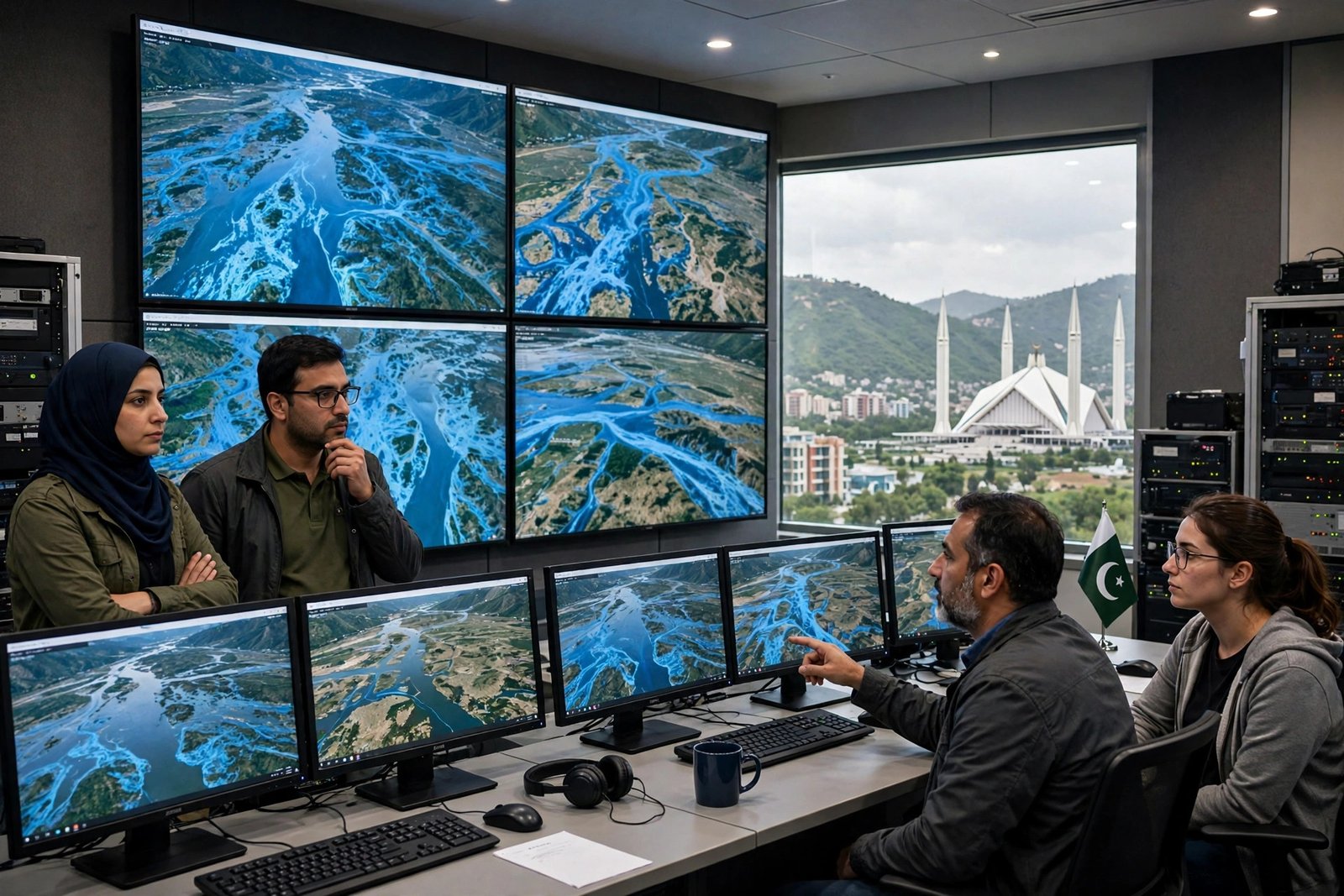
Pakistan diversify energy sources is the call from former federal minister Khurram Dastgir Khan, who said Pakistan must prioritise energy diversification and strengthen its engagement along its western borders. He was speaking at a session titled Shifting Geopolitics: Risks, Resilience and Prosperity on the third day of the 29th Sustainable Development Conference, organised by the Sustainable Development Policy Institute, known as SDPI, in Islamabad. For a country that depends on imported fuel for much of its power, diversification is not just an environmental choice, but an economic and security choice as well.
Dastgir said the United States withdrawal from its traditional global role is one of the most significant shifts in the international order, warning that the longstanding assurance of freedom of navigation, which is vital to global maritime trade, is under threat. He said the threat to navigation could spread from the Strait of Hormuz to the Bab el-Mandeb, and then possibly to the Suez or Panama canals. That warning matters for Pakistan, because much of its fuel and trade moves by sea, and any disruption to shipping can raise costs and cause shortages at home.
He also said a change in United States leadership could bring a shift in Washington’s approach towards Islamabad, stressing the need for Pakistan to prioritise energy diversification and strengthen its engagement along its western borders. Energy diversification means using more than one source of energy, so that the country is not dependent on a single fuel, a single supplier, or a single route. If one source becomes expensive or unavailable, other sources can fill the gap, and the power system can keep running.
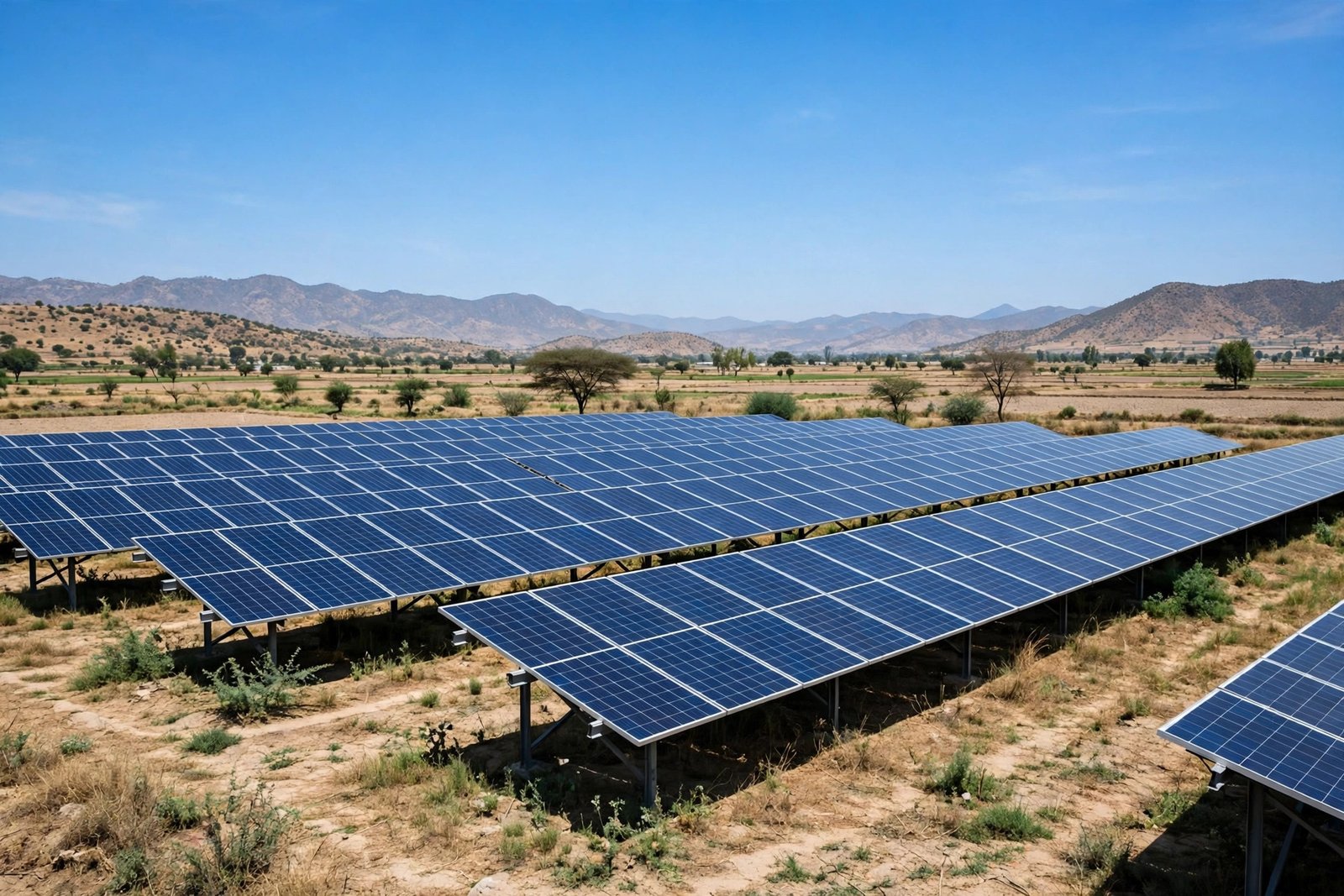
The renewable energy Pakistan plan is at the centre of that diversification plan. At a plenary session titled Utility Scale Renewable Energy: Federal Policy, Provincial Priorities and Implementation Gaps, parliamentarians, policymakers and development professionals called on the federal and provincial governments to accelerate the transition towards utility scale renewable energy by strengthening intergovernmental coordination, addressing policy inconsistencies and closing implementation gaps in the power sector. Utility scale means large projects, such as solar farms and wind farms, that can supply power to the national grid, rather than only to individual homes.
MNA Riaz Fatyana said Pakistan had an installed generation capacity of around 50,000 megawatts, with renewable energy accounting for approximately 20 percent. He said the country could increase this share to 30 percent by 2030 if the existing 2019 renewable energy policy remained in place. That target is ambitious, but it is also achievable, because Pakistan has strong sunshine in many areas, wind in coastal and mountain regions, and water resources for hydropower, all of which can be used to generate clean power.
Solar net metering was also discussed, with Fatyana calling for restoration of the solar net metering system, saying its discontinuation had created unrest among consumers who had invested in solar installations. Net metering allows households and businesses with solar panels to sell extra power back to the grid, and to receive credit for it. When that system is removed or changed, people who have spent money on solar panels feel that their investment is less valuable, and they may be less willing to invest in future solar projects. Restoring a clear and stable system is therefore important for consumer confidence.
The SDPI conference also heard that approximately 7,000 megawatts of solar capacity had been added over the past five years, largely through investments by consumers rather than government led projects. That figure shows that ordinary people and businesses are already driving the solar shift, even without large government projects. Another 11,000 megawatts of hydropower was planned over the next decade, while no new coal, re-gasified liquefied natural gas or furnace oil power plants would be added, according to the government outline presented at the conference. The government was also targeting a 30 percent share for electric vehicles in new vehicle sales by 2030.
Despite that progress, participants pointed to inconsistent policies, inadequate storage facilities and weak coordination between federal and provincial authorities as obstacles to long term investment. Solar and wind power are variable, which means they produce power when the sun shines or the wind blows, but not at other times. Storage, in the form of batteries or other systems, is needed to save power for when it is needed, and the grid needs to be able to handle that variability. Without storage and good coordination, the shift to renewables can be slower and more costly than it needs to be.
For households, energy diversification can mean lower bills in the long run, because sunshine and wind do not need to be imported, and they do not rise in price when world oil prices rise. For industry, it can mean more stable power, because a diverse system is less likely to fail if one source is disrupted. For the country as a whole, it can mean less spending on imported fuel, more jobs in installation and maintenance, and cleaner air in cities that currently suffer from pollution.
In the coming months, the items to watch will be whether the government restores solar net metering, whether federal and provincial governments agree on a coordinated plan for utility scale renewables, and whether new solar, wind and hydropower projects are announced. The call to diversify energy sources is not new, but the SDPI conference shows that it is now being discussed as a matter of national security as well as economics. For now, Pakistan diversify energy sources remains the clear message from the conference, and the next steps will show whether that message turns into action.
Also Read: Pakistan Tops YouTube Viewing With 96 Million Users