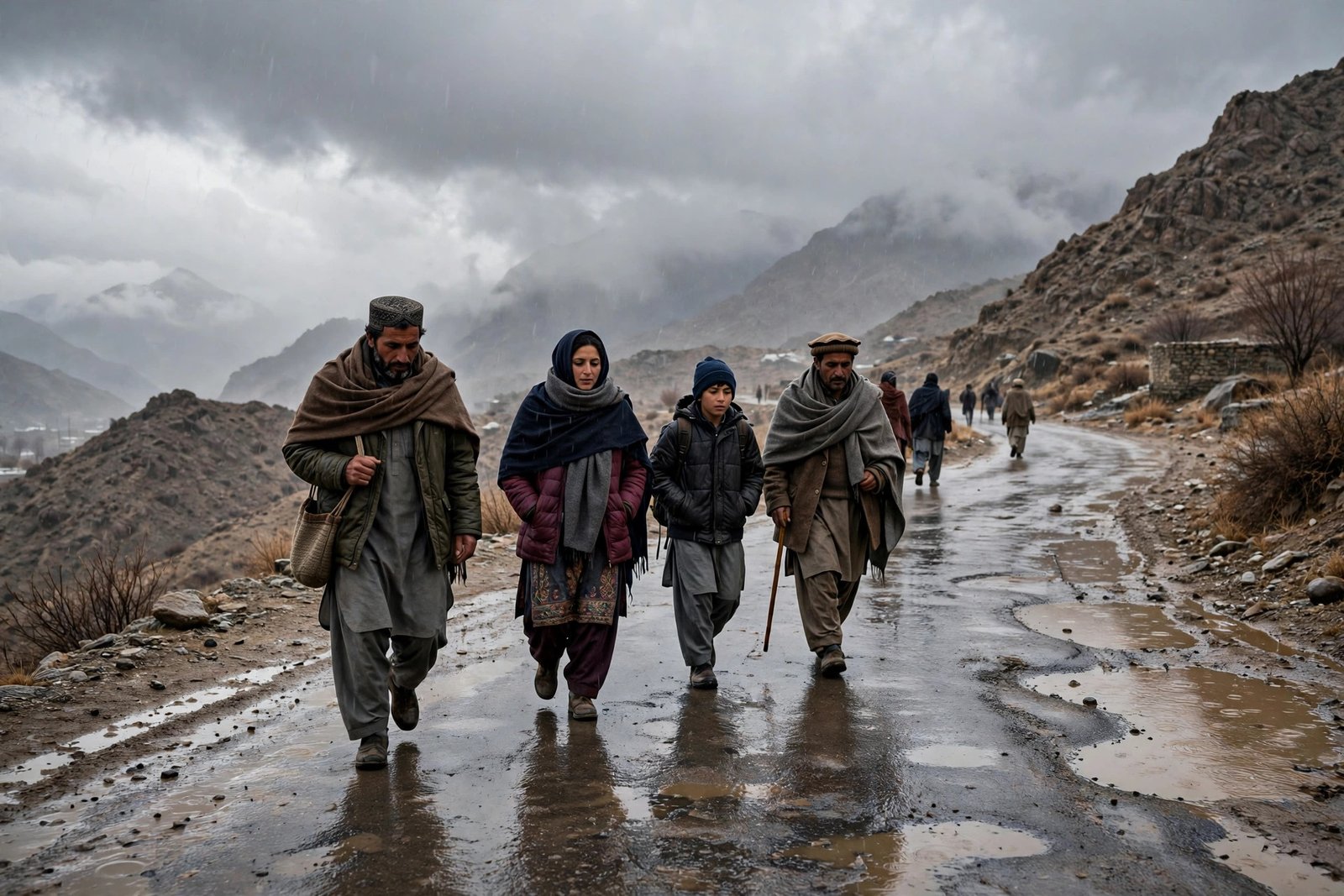
Balochistan winter showers arrived on Wednesday, bringing the first rainfall of the winter season to Quetta and several other parts of the province, and plunging temperatures as a cold front moved in. The showers fell across Quetta, Kolpur, Harnai, Chagai and Dalbandin, and residents rushed to local markets to buy warm clothing as the cold set in. For a province where winter can be harsh, the first rain is a clear signal that the season has changed, and that households need to prepare for colder weeks ahead.
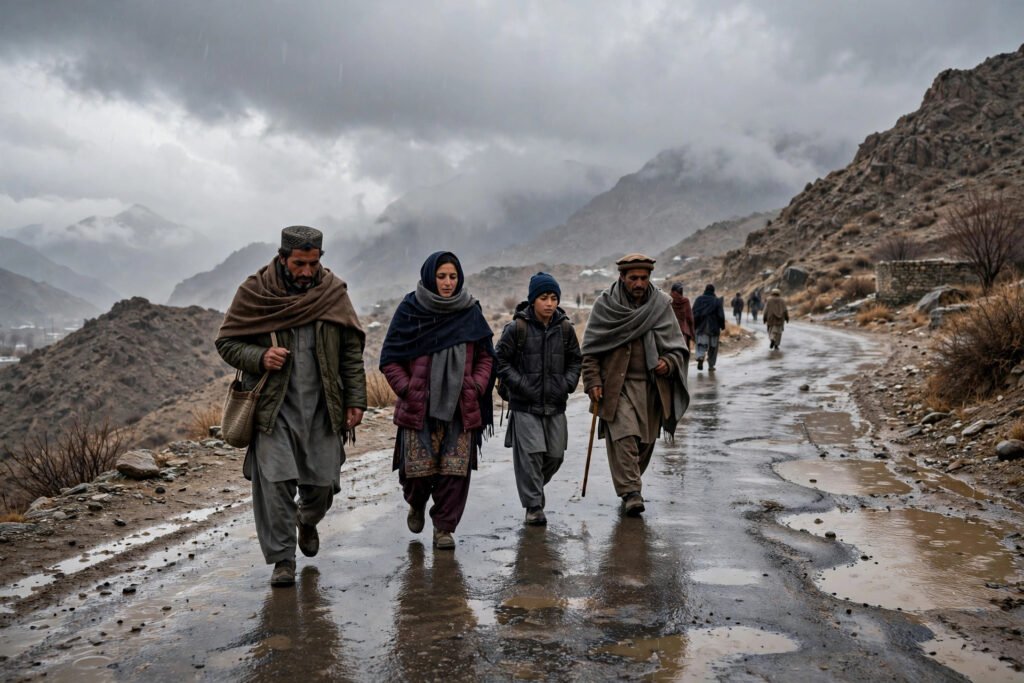
Quetta weather is known for sharp changes. The city sits at a high altitude, and its winter nights can be very cold, even when the days are sunny. A cold front that brings rain can drop the temperature by several degrees in a few hours, and the wind can make it feel colder still. That is why the first showers often send people to the markets for warm clothes, blankets and heating supplies, even if they had been putting off those purchases during the milder autumn days.
For winter rainfall Pakistan usually begins in the north and west before it reaches the plains, and Balochistan is often among the first places to feel it. The rain itself can be welcome for farmers, because it waters the soil and helps winter crops, but it can also make roads slippery, disrupt travel, and cause problems for families whose homes are not built to keep out the cold and damp. In rural areas, a sudden change in weather can affect livestock too, because animals need shelter and extra feed when temperatures fall.
The cold weather Balochistan brings each winter is made harder by prolonged natural gas outages, which were already affecting Quetta before the showers arrived. Gas is the main fuel for heating and cooking in many homes, and when supply is cut, families must find other ways to stay warm, often at higher cost. Fuel price gouging was also reported, with some sellers raising prices when demand rose, which adds to the burden on households that are already struggling with winter costs.
For shopkeepers in Quetta, the first showers are a busy time. Warm clothing, shawls, socks, gloves and heaters sell quickly, and markets fill with buyers who want to be ready before the cold deepens. That rush is a familiar pattern each year, but it also shows how many families wait until the weather actually changes before they buy winter goods, rather than buying in advance. A shopkeeper who stocks up early can benefit, while a family that waits may find that prices have risen by the time they buy.
A temperature drop after rain can also affect health, especially for children and older people. Cold and damp weather can bring coughs, colds and chest problems, and doctors often advise families to keep homes warm, dress in layers, and avoid sudden exposure to cold wind after being indoors. In areas where heating is limited, those simple steps matter more, because a cold home can make a minor illness worse. Schools and health clinics also need to prepare for more winter cases as the season goes on.
The showers were not limited to Quetta. Rain in Kolpur, Harnai, Chagai and Dalbandin shows that the cold front covered a wide area, and that the change in weather was province wide, rather than local. In Chagai and Dalbandin, which are in the west of the province, winter can be dry and cold, so rain there is notable, even if the amount is small. In Harnai, which is known for its coal mines and hills, rain can affect travel on mountain roads, and drivers need to take extra care on wet and slippery surfaces.
For farmers, the first winter rain can be both good and bad. Rain can help wheat and other winter crops, which need moisture to grow, and it can recharge soil that has been dry for months. At the same time, heavy rain at the wrong time can damage crops that are still in the field, and it can make it harder to work in the fields. Farmers will therefore watch the next few days closely, to see whether more rain follows, or whether the cold front passes and the weather clears.
The gas outages Quetta faces are a separate problem, but they become more urgent when the cold arrives. Households that rely on gas for heating cannot simply switch to another fuel without cost, and many families use gas heaters that are now idle. The government and the gas company are often asked to prioritise supply in winter, and to take action against sellers who raise prices unfairly. Until supply improves, families will need to plan carefully, using blankets, warm clothes and shared heating where possible.
In the coming days, the weather in Balochistan is likely to stay cold, with more showers possible as winter sets in. Residents should keep warm clothing ready, check on older neighbours and young children, and be careful on wet roads. The first winter showers are a reminder that winter has arrived in the province, and that preparation, rather than surprise, is the best way to face the colder weeks ahead.
Also Read: