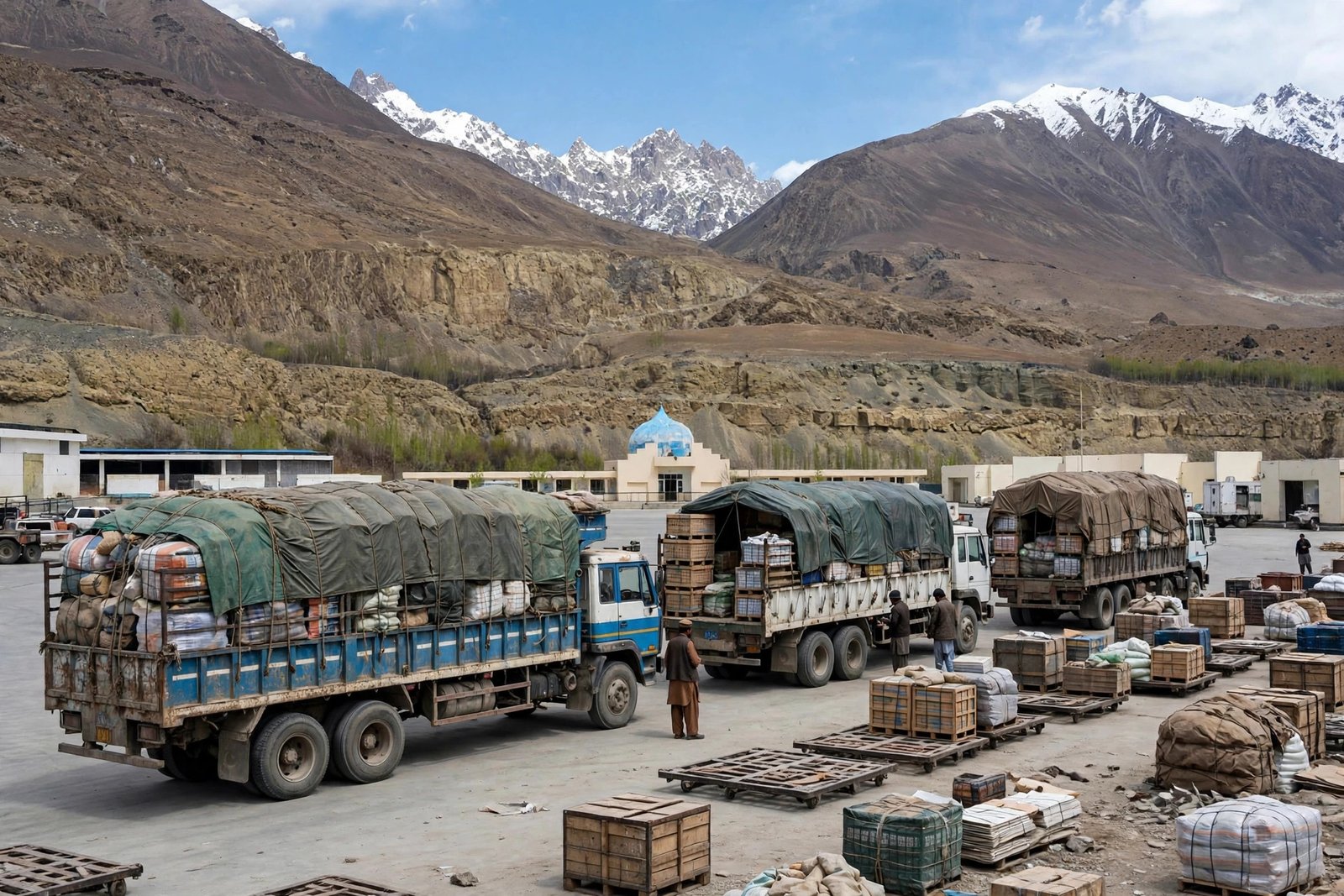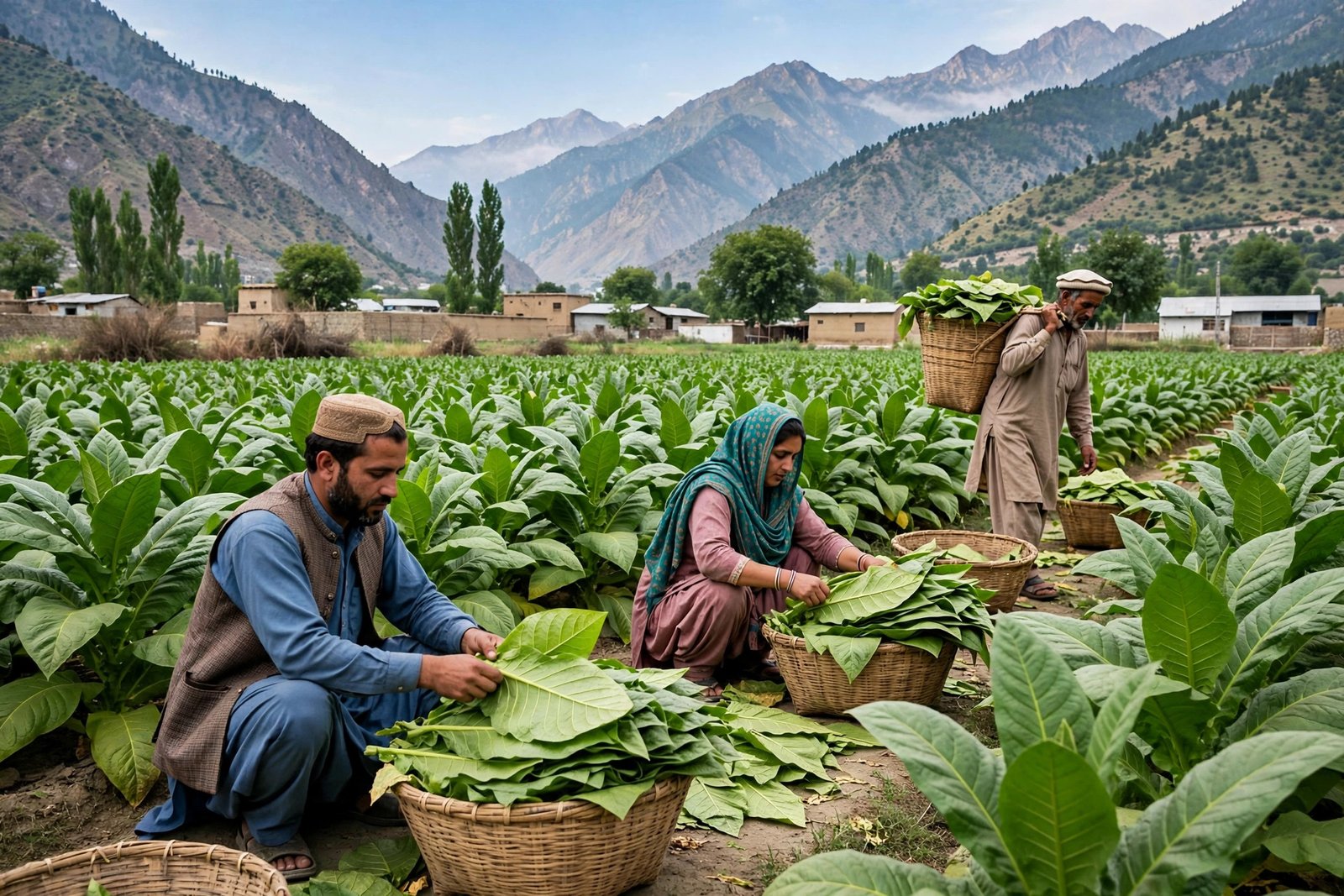
ISLAMABAD: ECC tobacco prices deregulation plan 2026 has been ordered by the Economic Coordination Committee, which has told the food security ministry to prepare a mechanism for deregulating state set tobacco prices within three months. The decision was taken while the committee was considering the minimum indicative prices for the 2026 tobacco crop, and it marks a first step towards the federal government stepping out of the business of setting tobacco prices. For growers, buyers and the industry, the move could change how the price of every kilogram of tobacco leaf is fixed in the years ahead.
The committee approved the pricing proposal endorsed by the Pakistan Tobacco Board, and at the same time it stressed the need for a strategy for the federal government’s exit from price setting. The Ministry of National Food Security and Research was told to prepare the deregulation plan and bring it back to the committee within three months. The ministry had proposed keeping the minimum indicative prices and the tobacco cess rates for the 2026 crop at the 2025 level, and the committee approved that proposal while ordering the longer term reform.
The prices themselves are worked out through a formula that the committee examined in detail. According to information placed before the ECC, the maximum price was calculated on the basis of production costs, the average inflation over eight months of the previous year, and a fixed profit margin of 5 percent. For Flue-Cured Virginia tobacco, the base production cost for 2026 was set at Rs473.61 per kilogram, and with inflation for January to August 2025 at 5.43 percent, the minimum indicative price came to Flue-Cured Virginia Rs523 per kilogram.
The committee also heard that inflation had moved since then, and that the numbers would look different if the latest rate were used. The Pakistan Tobacco Board noted that the average inflation rate for August 2026 was 9.26 percent, compared with 5.43 percent for the corresponding period in 2025. If the 9.26 percent rate were applied, the minimum indicative price for Flue-Cured Virginia would be Rs541.14 per kilogram. The difference shows how much the price of the crop depends on which inflation figure the government chooses to use.
The meeting also looked at questions that growers have raised about the prices of different tobacco types. The committee considered why the proposed 2026 prices for some tobacco types were lower than in 2025, and why White Patta Rustica tobacco prices appeared more expensive than other types. Price trends differ by variety, because each type has its own cost of production, its own buyers and its own place in the market. The ministry was asked to explain these differences so that growers of every type know how their price was reached.
The chairman of the Federal Board of Revenue drew attention to a wider point about the tobacco trade, and he noted that Pakistan produces far more tobacco than it consumes at home. The export surplus of tobacco means that a large part of the crop is sold abroad, while domestic consumption remains low. That balance matters for the deregulation debate, because a market with a big surplus behaves differently from one where local buyers compete hard for a limited crop. The FBR view will feed into the plan that the ministry has to prepare.
The Pakistan Tobacco Board sits at the centre of the present system, and it is authorised to promote the cultivation, production and export of tobacco and tobacco products. The federal government sets minimum indicative prices for different tobacco varieties under the Pakistan Tobacco Board Ordinance 1968, a law that has governed the trade for nearly six decades. Under that system, the board recommends prices, the ministry places them before the ECC, and the committee approves them. Deregulation would change that chain, and it would leave prices to be settled between growers and buyers.
What happens next will matter most to the farmers who grow the crop in Khyber Pakhtunkhwa and Punjab, and to the companies that buy it. The tobacco cess rates 2025 level were retained for the 2026 crop, so growers will not face a higher cess this season, but the three month deadline means a new pricing mechanism could be ready before the next crop is sown. Growers will want to know whether deregulation gives them a better price or leaves them at the mercy of a few large buyers, and the industry will want a system that is clear and predictable.
Readers should keep two points in mind. First, the deregulation plan does not exist yet, and the committee has only asked for it to be prepared within three months, so the details of the new mechanism are still to be decided. Second, the figures in this story, from the Rs473.61 production cost to the Rs523 and Rs541.14 price calculations, are the ministry’s own workings placed before the ECC, and they show how sensitive the final price is to the inflation rate that is chosen. The test of deregulation will come when growers and buyers sit down to agree a price without the government setting it for them.
Also Read: SBP Injects Rs13.76 Trillion to Ease Bank Liquidity
Previous: Gilgit-Baltistan Marked 79th Independence Day With Pride