RAWALPINDI: Iesco QR code payment system is now live, and consumers in Islamabad and Rawalpindi can pay their electricity bills by scanning a code printed on the bill. The Islamabad Electric Supply Company, known as Iesco, has introduced the facility for bills and all types of demand notices. A consumer only needs to open a banking app or a mobile wallet, scan the code, check the amount and complete the payment. The change means no more queues at payment centres for a routine bill.
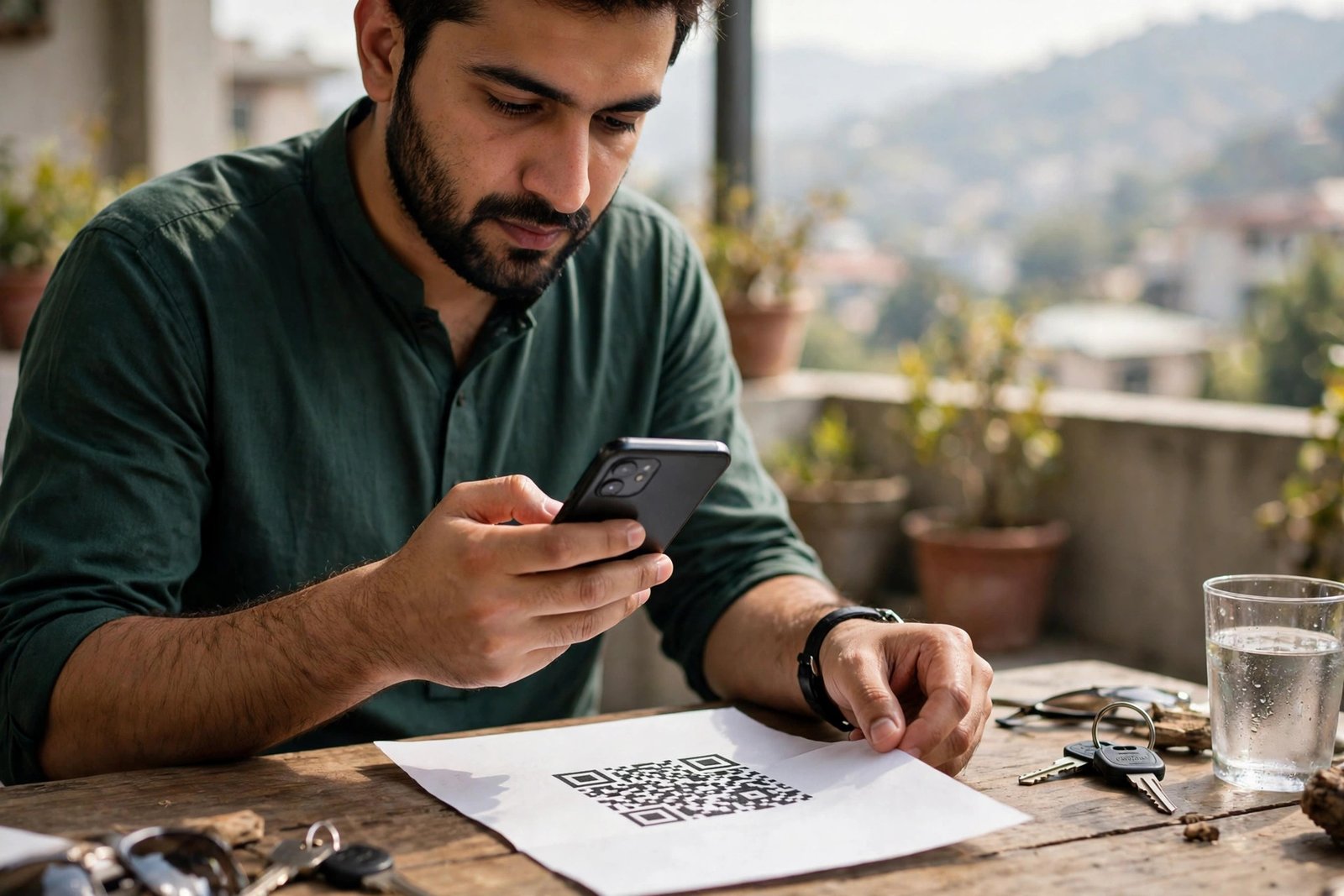
The Iesco electricity bills QR code scan is simple by design. The code is printed on the original bill or demand notice, and scanning it fills in the payment details without typing a long reference number. The consumer verifies the payable amount on the phone screen before confirming the transaction. That check matters, because it stops wrong payments and keeps a clear record of what was paid and when it was paid. Iesco says the system also brings more accuracy to its collection process.
The Iesco chief executive Khalid Mahmood said the facility will make payments faster, easier and more convenient. He said it will also promote transparency and accuracy in the collection process, because every payment made through a code leaves a digital trail. The company serves Islamabad and the districts of Rawalpindi, Attock, Chakwal and Jhelum. For families in those areas, the new option removes the trip to a bank or payment counter that used to take time out of the working day.
The QR code payment 24 hours seven days promise is a key part of the launch. The facility is available around the clock, so a bill can be paid late at night or early in the morning, and on weekends and public holidays too. That matters in a week when banks will be closed for three days over the Iqbal Day holiday. A consumer who remembers a bill on a Sunday evening no longer has to wait for a bank to open on Tuesday.
Iesco is not the first power company to put QR codes on bills. LESCO, GEPCO and MEPCO started printing a new and simpler bill format with a QR code in June 2026, and Iesco was named as the next company to follow. The new format gives quick access to bill information and digital services through the printed code. Other distribution companies are expected to adopt the same format over time, so the change will reach more consumers in the months ahead.
The Raast QR code cashless economy Pakistan push sits behind this launch. Prime Minister Shehbaz Sharif chaired a meeting on Friday and asked officials to prepare a clear roadmap with time bound targets for a 100 per cent digital payments system. He said the Raast QR code system is already helping the cashless drive and must continue with government support. He also ordered a media campaign to encourage electricity and gas consumers to pay through QR codes printed on utility bills.
The digital payments roadmap December 2026 target gives the plan a deadline. The meeting was told that work on digitising payments in all federal and provincial government institutions is moving fast, and payments in most institutions would be fully digitised by December 2026. Cheque based payments through Asaan Assignment Accounts will stop from 15 November, and those payments will move to the Raast digital system across the country from 16 November. Drawing and disbursing officers have already been trained for the change.
The Benazir Income Support Programme is already fully digital, and the meeting was told that 100 per cent of its payments now go through digital wallets. That example shows what the government wants for other payments too, from utility bills to official fees. For ordinary consumers, the shift means less cash handling and fewer visits to offices. For the government, it means cleaner records and less room for error in collecting and paying money. The challenge will be reaching people who do not use smartphones or bank apps yet.
Consumers should still check the amount before they pay, and they should only scan the code printed on their own original bill. Iesco says the code is on the bill itself, so there is no need to follow a code sent in a random message. With the system live, the next test will be how many consumers switch from counters to phones in the first billing cycle. If the switch is smooth, other power companies are likely to follow Iesco soon. The system is a small step, but it is the kind of step that changes daily life for millions of consumers.
Also Read: Pakistan IT Exports Cross 1.2 Billion in First Quarter
Previous: Turkish Vessel to Reach Karachi for Offshore Oil Search
Next: PCRWR Declares 27 Bottled Water Brands Unsafe in Pakistan