The federal government has formally confirmed that the five year age restriction on commercial imports of used vehicles no longer applies. In an office memorandum issued on 30 October 2026, the Ministry of Commerce told the Federal Board of Revenue that the age limit ceased to apply after 30 June 2026, and therefore stands removed from 1 July 2026. The clarification settles a question that importers, dealers and buyers had been asking for months, and it marks a clear step in Pakistan’s wider auto trade reform.
To understand the change, it helps to look at how the commercial channel began. Last year, Pakistan legalised commercial imports of used vehicles under the Import Policy Order, initially for vehicles up to five years old. The scheme covered vehicles under Pakistan Customs Tariff headings 8702 for vans and buses, 8703 for cars, 8704 for goods vehicles, and 8711 for motorcycles. That opening was part of a broader commitment to liberalise the auto sector and gradually reduce tariff and non tariff barriers, linked to the country’s economic reform programme.
The five year cap was always time limited in its wording. It applied until 30 June 2026, after which the scheme was designed to move forward without that age condition. The Federal Board of Revenue sought clarification on 23 October, asking whether the restriction still applied beyond June. The Commerce Ministry replied on 30 October, confirming that, under decisions approved by the Economic Coordination Committee and the Federal Cabinet, the limit stands removed from 1 July 2026. The memorandum was addressed to the FBR chairman, and it was signed by the relevant section officer in the ministry’s import wing.
Removal of the age limit does not mean removal of all rules. Commercial imports must still meet the safety and environmental standards prescribed by the Ministry of Industries and Production through the Engineering Development Board. They must also comply with other provisions of the Import Policy Order and with customs and tax requirements. In practical terms, an older vehicle still needs to pass inspection, meet emissions and safety checks, and clear customs duties. The change is about age alone, not about quality, and importers who ignore the remaining standards will still face problems at clearance.
Duty is the other part of the picture. The additional regulatory duty on commercial used vehicle imports was initially set at 40 percent, and it fell to 30 percent from 1 July 2026 under the relevant revenue notification. The published plan reduces that duty by about ten percentage points a year, reaching zero by the 2029-30 fiscal year. That taper matters to prices, because duty is a major part of what a buyer ultimately pays. A falling duty over time could make imported used vehicles cheaper, though exchange rates, shipping costs and world used car prices also play a large role.
Local car makers have raised concerns about the change. The Pakistan Automotive Manufacturers Association has urged the government to tighten controls on personal import schemes, warning that alleged misuse is threatening local manufacturing and investment. The association pointed to a surge in imports under the gift scheme, reporting that such imports reached 2,238 vehicles in September, accounting for a very large share of total used vehicle imports that month. Local makers argue that a protected local industry needs time and fair rules to grow, and that unchecked imports could hurt jobs and investment in local plants.
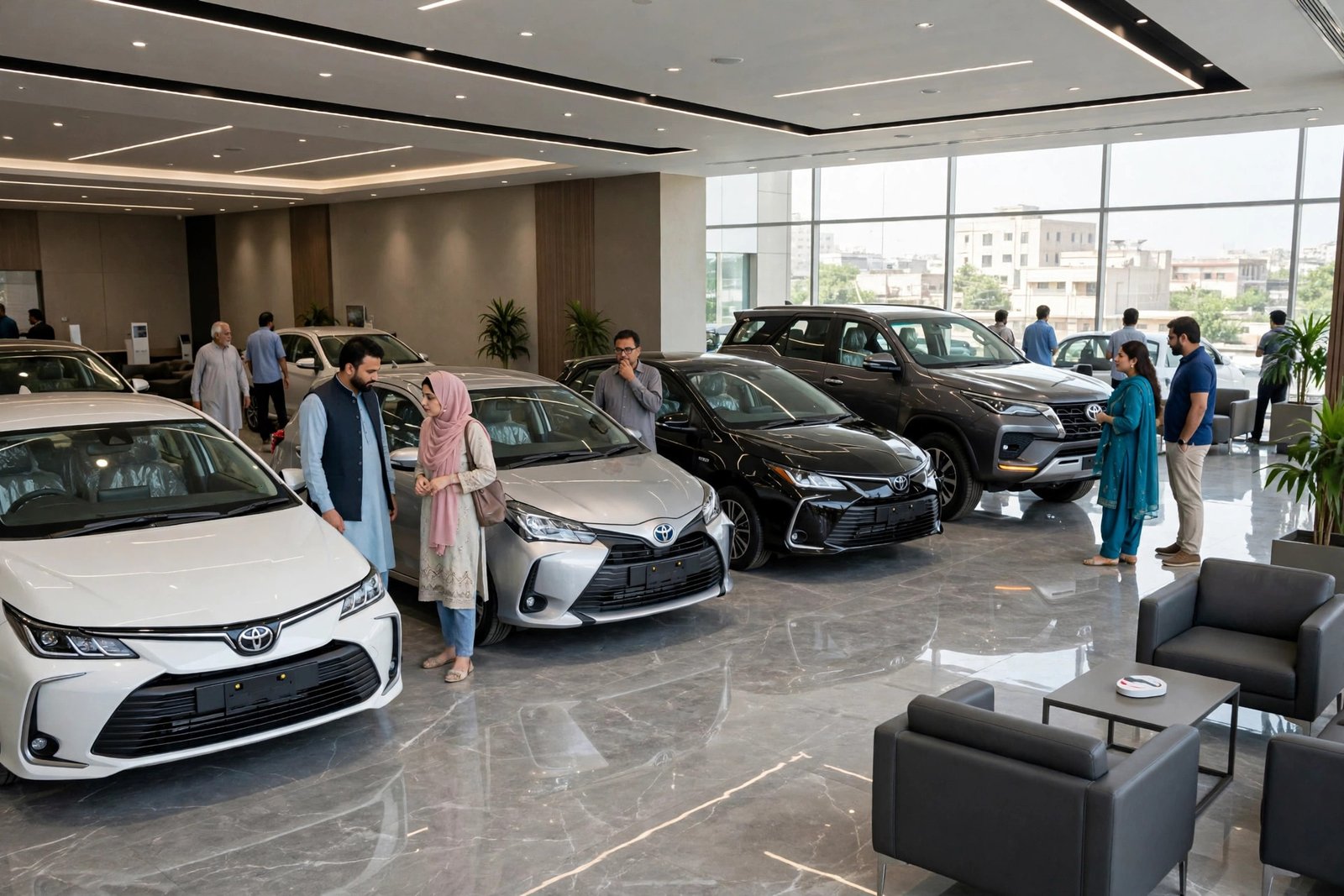
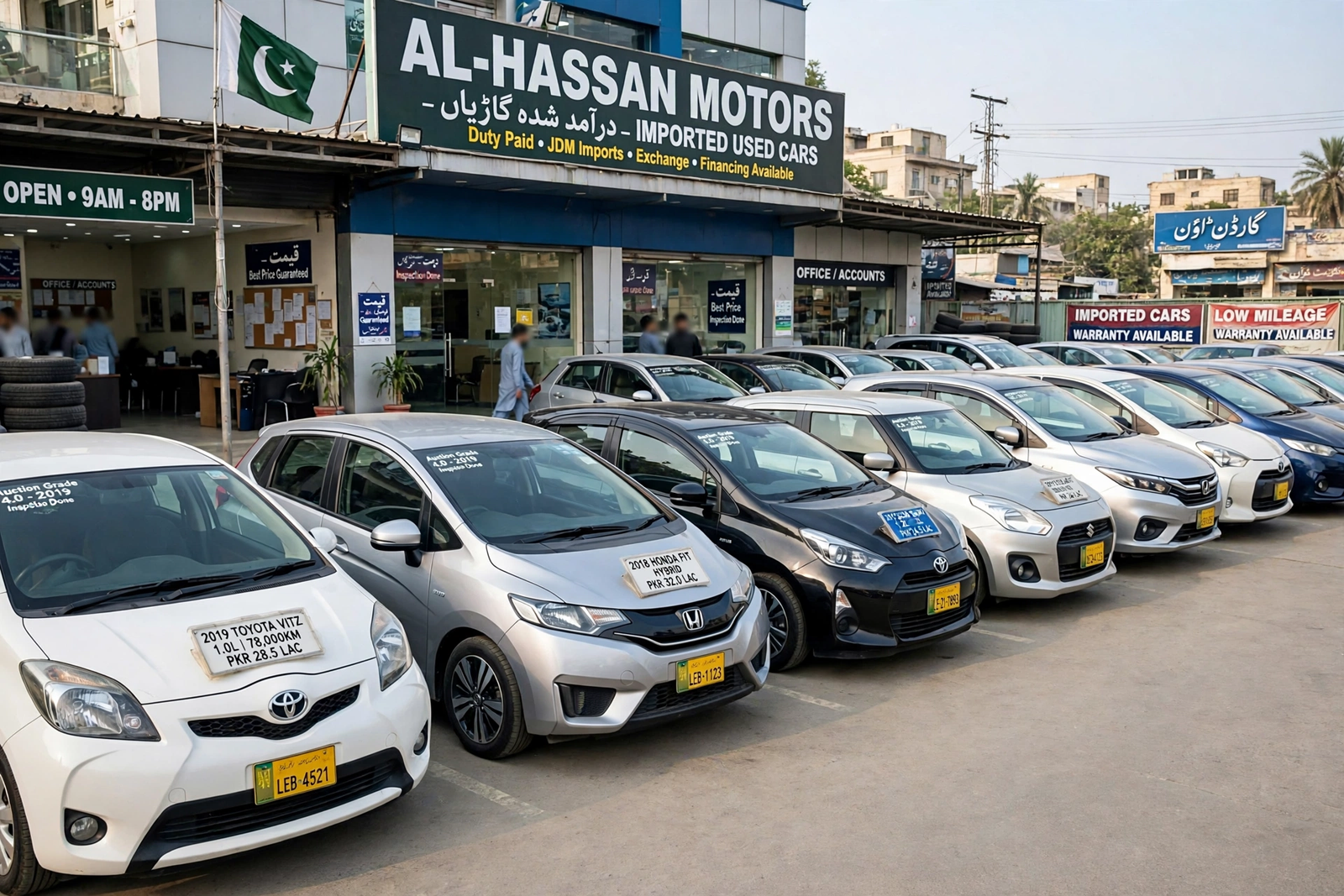
Importers and dealers see the change differently. They argue that wider choice and competition help consumers, especially families and small businesses that cannot afford a new car at current prices. A used car, even an older one that passes safety checks, can provide transport for work, school runs and deliveries at a lower cost. Dealers also note that many buyers in Pakistan already rely on used vehicles, whether locally traded or imported, and that a clear, legal commercial channel is better than unclear routes that are harder to regulate.
For an ordinary buyer, the advice remains the same, with or without an age limit. Check the vehicle’s history, inspection report and customs documents before paying. Have an independent mechanic inspect the car, especially its engine, brakes, body and electrical systems. Confirm the total cost, including duty, registration and any repair work, rather than judging by the headline price alone. An older car can be good value, but it can also bring higher maintenance costs, and those costs should be part of the decision.
The government also eased another rule in September 2026, removing a minimum capital requirement and allowing any tax registered individual or firm to import commercially, without needing registration with the Securities and Exchange Commission of Pakistan. Taken together with the age change and the duty taper, the direction is clear. Pakistan is opening its used vehicle market step by step, while keeping safety and environmental checks in place. Whether that balance protects local industry and serves consumers at the same time will be judged by prices, quality and jobs in the year ahead.
For now, the confirmed position is simple. The five year age restriction on commercial used vehicle imports stands removed from 1 July 2026, as confirmed by the Commerce Ministry on 30 October 2026. Other import policy, safety and environmental rules still apply, and duty continues to fall on a published schedule. Buyers, dealers and local makers will all be watching how the market responds.
Also Read: Pakistan Electric Bikes Surge As Charging Gaps Slow Shift | SCO Interbank Consortium Chair Goes To Pakistan For 2027