ISLAMABAD: TAPI gas pipeline Pakistan Turkmenistan plans were laid out in Islamabad this week, as Turkmenistan briefed Pakistani media on energy projects that could bring Turkmen gas to Pakistan. The Turkmenistan-Afghanistan-Pakistan-India pipeline, known as TAPI, would carry natural gas from Turkmenistan Galkynysh gas field to energy markets in South Asia. The briefing was held at the Embassy of Turkmenistan in Islamabad on 6 November, as the country marked the 35th anniversary of its independence. Energy cooperation is now described as a key pillar of the relationship between the two countries.
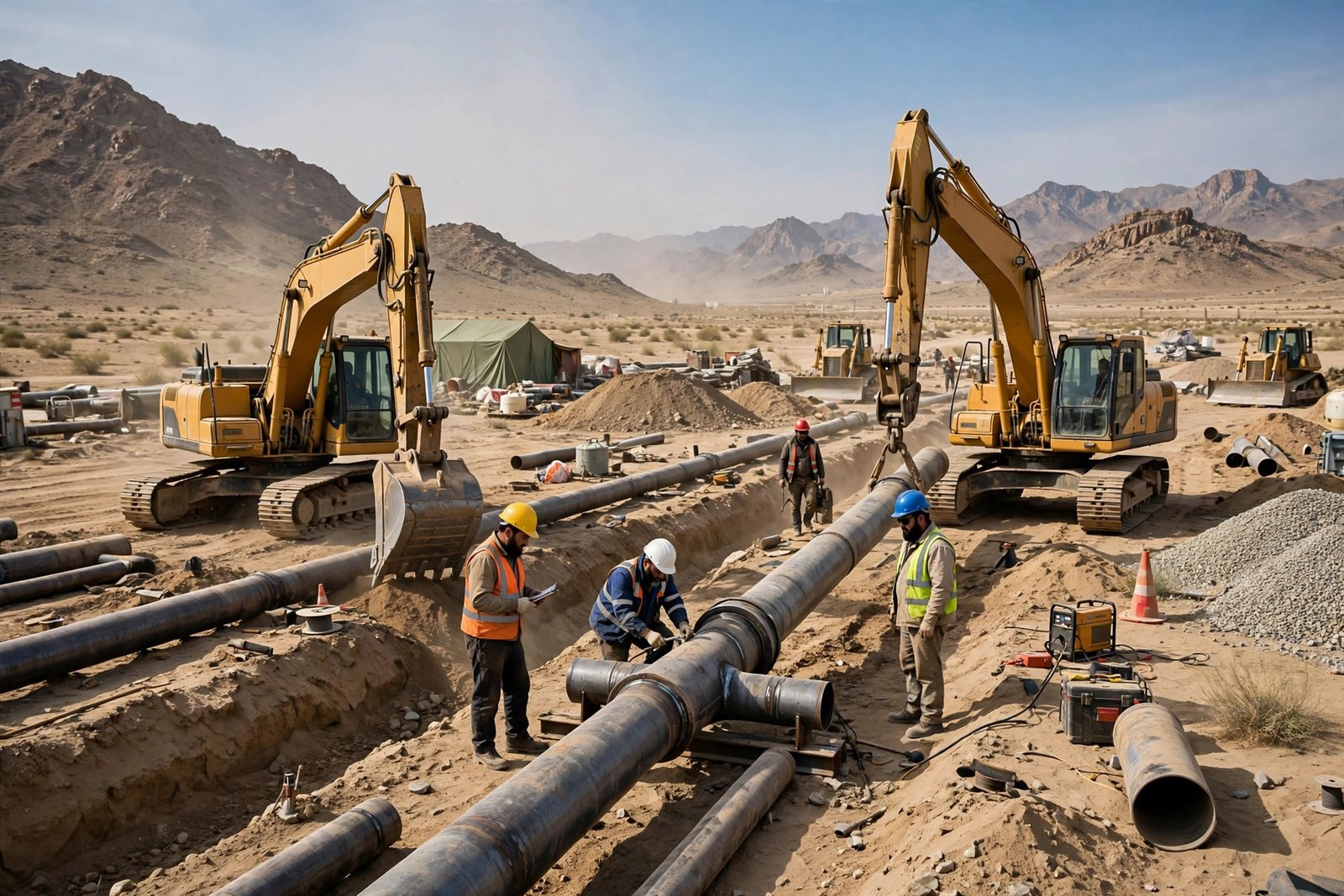
The Galkynysh gas field 27 trillion cubic metres estimate is at the heart of the plan. Independent assessments cited for the project put the reserves of the Galkynysh field at about 27 trillion cubic metres, which makes it one of the largest gas deposits in the world. The field would feed the pipeline and supply gas to Pakistan, where demand from homes, industry and power plants keeps growing. Access to Turkmen gas could help Pakistan diversify its energy supplies instead of relying on a small number of sources.
The Turkmenistan ambassador Atadjan Movlamov Islamabad briefing covered more than the gas pipeline. The ambassador, flanked by first secretary Bayram Yazov, said the two countries are working together on TAPI, electricity transmission, railway and fibre optic projects. A 1,635 kilometre fibre optic line is planned along the pipeline corridor through Afghanistan and Pakistan. These projects are meant to deepen economic integration and strengthen energy security across Central and South Asia. The ambassador said energy cooperation remains a key pillar of relations between Turkmenistan and Pakistan.
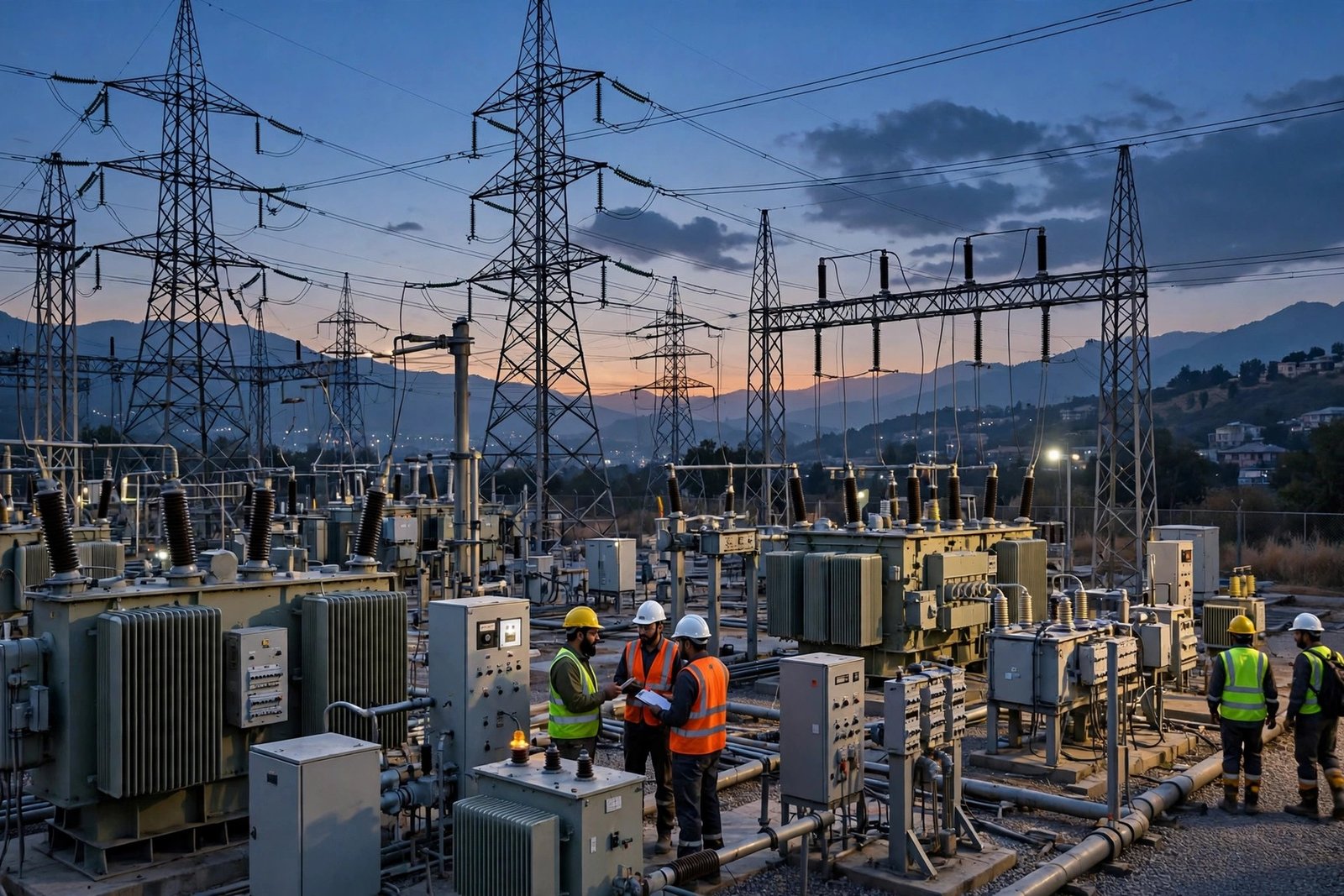
The TAP electricity transmission 3000 megawatts plan would run alongside the gas pipeline. The Turkmenistan-Afghanistan-Pakistan transmission project is designed to supply electricity to the TAPI pipeline and its facilities. It could also create a chance to export up to 3,000 megawatts of electricity through Afghanistan to Pakistan. For Pakistan, which faces power shortages in peak summer, an extra supply of that size would be a major addition to the national grid. The line would also power pumping stations and other facilities along the pipeline route.
The TAPI pipeline Serhetabat Herat construction work has already begun on the Afghan side. Construction started in September 2024 on the Serhetabat to Herat section of the pipeline, marking the first step towards extending the project into Afghanistan. On 20 October 2025, Gurbanguly Berdimuhamedov, the National Leader of the Turkmen people, visited Herat and formally launched the next stage of the Serhetabat to Herat gas pipeline. On 10 August 2026, he made a working visit to Mary province and travelled to the Islim-Cheshme border area before proceeding to Afghanistan.
The Pakistan energy security Turkmen gas argument is simple: Pakistan needs more gas, and Turkmenistan has some of the largest reserves in the region. The embassy said access to Turkmen gas could help Pakistan meet the growing needs of households, industries and businesses. The project would also bring transit fees and jobs to the countries along the route. But the embassy also said that success will depend on cooperation among the participating countries, investment, infrastructure and the legal arrangements that the project still needs.
The wider programme includes transport corridors as well as energy. The two sides gave particular attention to the Afghanistan-Turkmenistan-Azerbaijan-Georgia-Turkiye transport corridor and the Lapis Lazuli international transport corridor. The National Leader of the Turkmen people has proposed a Turkmen Afghan Commission on Economic Cooperation to push the work forward. A memorandum of understanding was also signed during the visit, though the full details of that document were not shared in the briefing reports. The corridors would link Central Asia with South Asia by road, rail and sea routes.
Turkmenistan also used the briefing to report on its own year. The 31st International Conference and Exhibition on Oil and Gas of Turkmenistan was held in Ashgabat from 21 to 23 October 2026. The CIET 2026 conference on construction, industry and energy was held in Ashgabat from 3 to 5 November 2026, with government officials, companies, investors and engineers taking part. The embassy described 2026 as a year of national achievements, international cooperation and regional connectivity for Turkmenistan.
For Pakistan, the test of the TAPI plan will be whether the pipeline moves from briefings and ceremonies to actual construction on its own soil. The gas field is large, the route is mapped and the partners are named, but the project has been discussed for many years without reaching Pakistani territory. If the Serhetabat to Herat work continues and the next stages follow, the gas could one day reach homes and factories in Pakistan. Until then, the briefing is a promise, not a delivery, and the next milestone to watch is construction starting on the Pakistan side.
Also Read
Pakistan Remittances Rise 14 Percent to 10.9 Billion