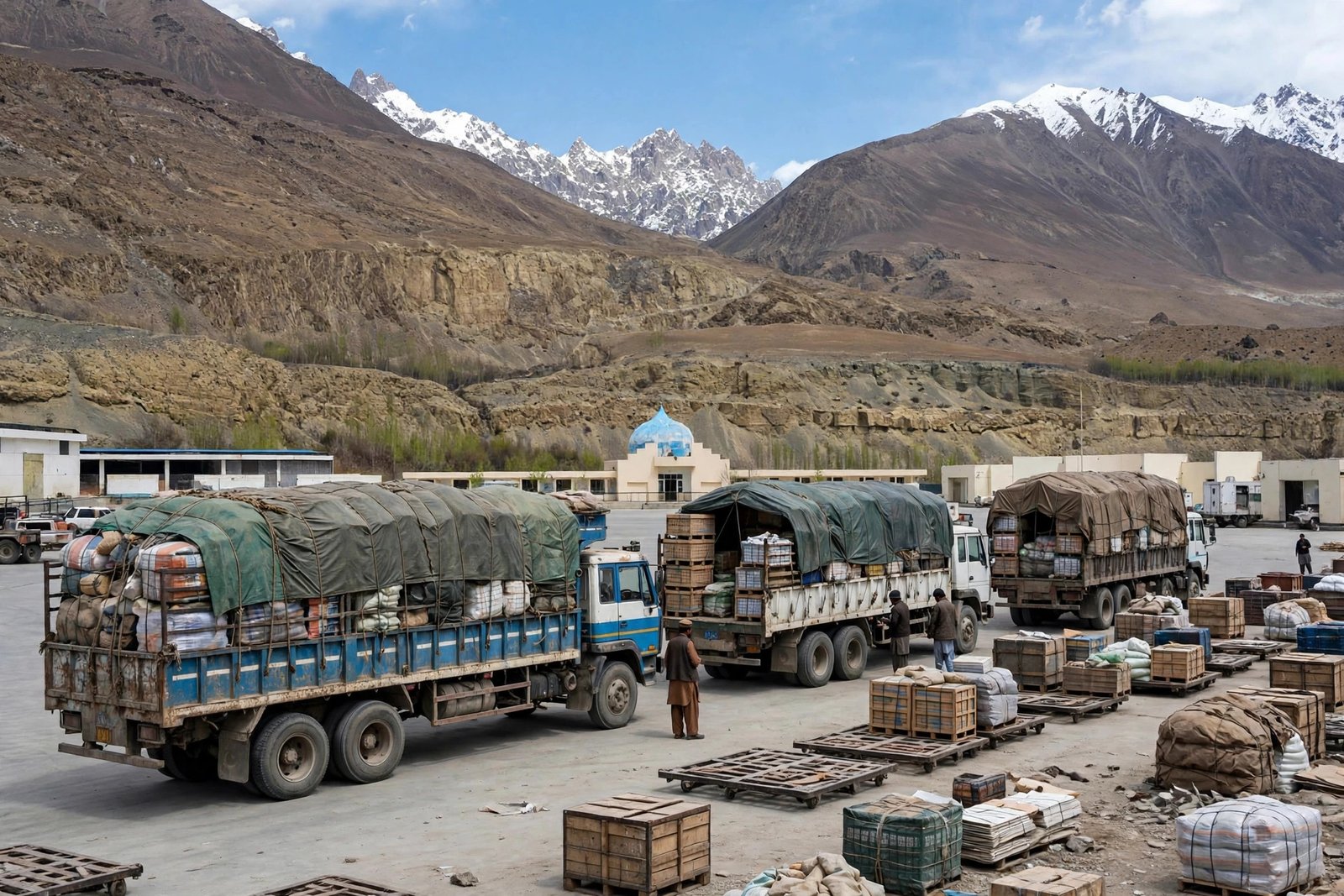
Pakistan rice exports beat Vietnam in September 2026, shipping 420,000 tonnes of rice during the month, comfortably outstripping Vietnam’s total of 337,000 tonnes, according to official trade figures from Vietnam’s foreign trade agency. The result is a landmark for Pakistan, because Vietnam is traditionally the world’s third largest rice exporter, and Pakistan has been pushing to take that position. For farmers, millers and exporters, the September figures show that Pakistani rice can compete on volume and on price, even when shipping is disrupted.
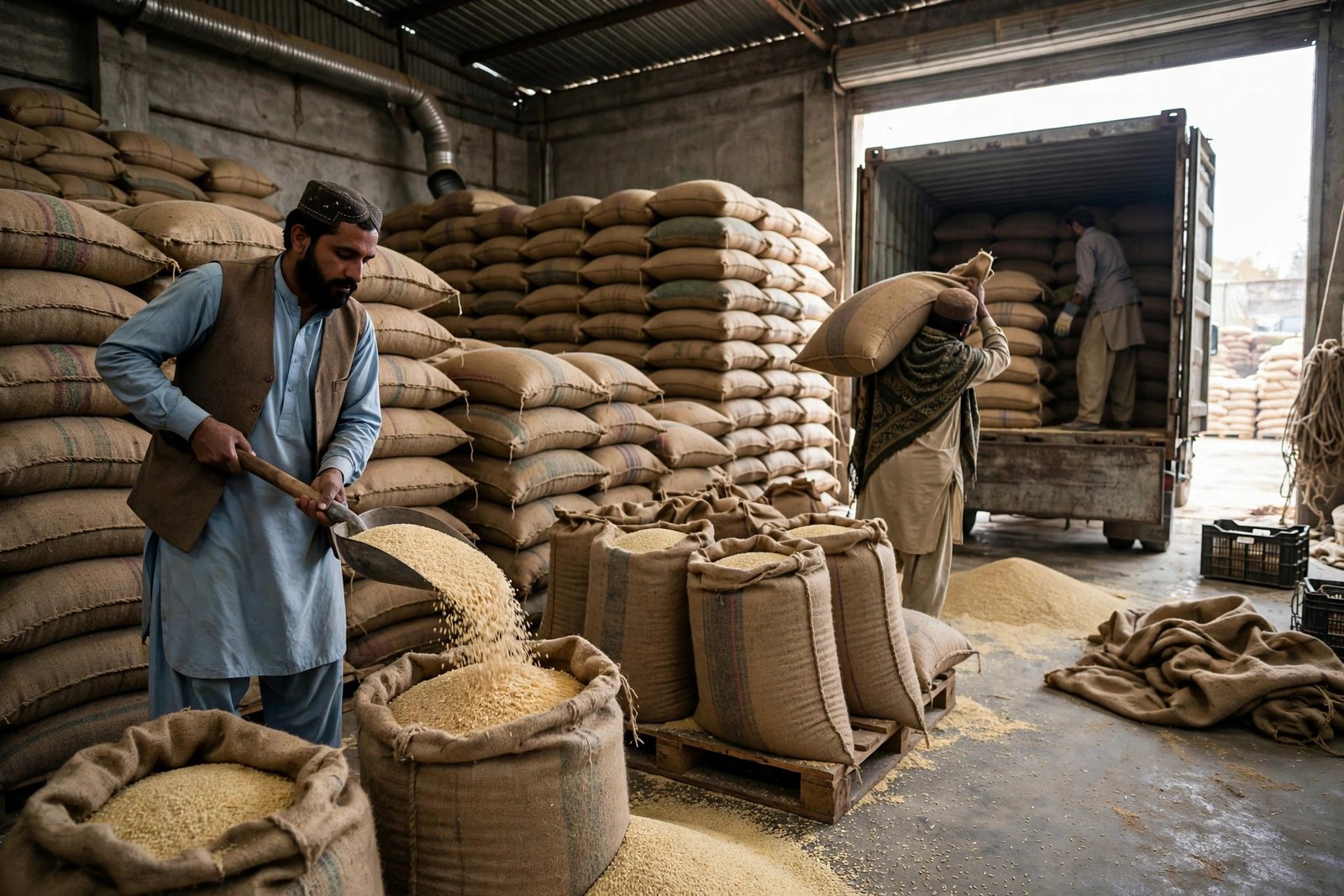
Pakistan also established a clear lead in value realisation. Its exporters fetched an average unit price of 621 dollars per tonne in September 2026, compared with Vietnam’s 563 dollars per tonne. That difference of 58 dollars per tonne matters, because it means that Pakistan earned more for each tonne it shipped, not just more tonnes in total. Higher prices often reflect demand for premium varieties, especially Basmati rice, which is known for its aroma and long grain, and which buyers in key markets prioritise over non aromatic varieties.
Total worldwide trade of Basmati rice held firm at 6.9 million tonnes, matching 2025 levels, as buyers in key markets prioritised securing Pakistan and India’s signature premium grain over non aromatic varieties. That stability is important, because it shows that demand for Basmati did not fall, even when the wider rice trade faced disruption. Basmati rice exports have absorbed the shock waves of the conflict in the Gulf region and broader shipping disruptions, and they have continued to reach buyers.
Rice industry expert Hamid Malik notes that market dynamics have been shifting since December 2025, when Pakistan surpassed Vietnam’s monthly export volume for the first time this millennium. That first breakthrough was not a one off, and the September result shows that the shift has continued. Malik said that Pakistan’s total rice export volumes surged by 51 percent during the first quarter, from July to September 2026, generating a 37 percent increase in foreign exchange earnings, despite ongoing disruptions in the Gulf and Black Sea shipping routes.
The rise in volume and earnings came despite rising freight charges and disruptions to maritime trade, which affected shipping in the Gulf region. Ships faced longer routes, higher insurance costs, and delays, and those costs usually reduce exports. That Pakistan still shipped more rice, and earned more per tonne, suggests that buyers were willing to pay for Pakistani rice, and that exporters found ways to keep shipments moving, even when the usual routes were disrupted.
Exports of ordinary non aromatic rice from major exporting countries, including Pakistan, Thailand and Vietnam, fell by 20 to 30 percent in the early part of the crisis, according to Malik. That fall shows that the disruption did hit the rice trade, but it hit non aromatic rice harder than Basmati, because buyers were more willing to secure premium grain. For Pakistan, which exports both Basmati and non Basmati rice, the mix matters, and the premium share helped to lift the average price.
For farmers in Punjab and Sindh, where most of Pakistan’s rice is grown, the export result is good news, but it does not mean that every farmer benefits in the same way. Farmers sell paddy to millers and traders, and the price they receive depends on the local market, the quality of their crop, and the timing of their sale. A strong export month can lift farm gate prices, but it can also be followed by a weaker month, so farmers need to plan for both. The 51 percent rise in first quarter volume is a strong signal, but it is a quarterly figure, not a guarantee for the whole year.
Foreign exchange earnings from rice are also important for the national economy. Pakistan needs dollars to pay for imports, to service debt, and to build reserves, and rice is one of the country’s largest agricultural exports. A 37 percent rise in earnings in the first quarter therefore helps the external account, even if it is only one part of a much larger trade picture. Every extra dollar earned from rice is a dollar that does not need to be borrowed or found elsewhere.
The competition with Vietnam is not over, and Vietnam rice exports remain strong. Vietnam remains a major force in the global rice trade, ranking among the world’s top exporters and supplying a significant share of the rice imported by countries such as the Philippines. A single month in which Pakistan ships more does not mean that Pakistan has taken third place for the year, and Vietnam could ship more in the next month. The race will be decided over many months, and it will depend on harvests, prices, shipping costs and demand in importing countries.
In the coming months, the items to watch will be whether Pakistan can hold its lead in October and November, whether Basmati demand stays firm, and whether freight costs ease as shipping routes stabilise. If Pakistan can keep shipping more than Vietnam, and keep earning a higher price per tonne, the September result will be remembered as the month when the shift became clear. For now, Pakistan rice exports beat Vietnam in September, and the trade figures give exporters a strong story to tell buyers.
Also Read: