ISLAMABAD: Weekly inflation Pakistan November 2026 rose by 0.29 percent in the week that ended on 5 November, as a sharp jump in tomato prices pushed up the cost of daily shopping. The Pakistan Bureau of Statistics released the figures on Friday, and they show that short term inflation is still squeezing household budgets. The rise reversed a fall of 0.35 percent in the previous week, so prices are climbing again after a brief pause.
The Sensitive Price Indicator 374.61 points is the new level of the weekly index, up from 373.51 points in the week before. The index tracks 51 essential items in 50 markets across 17 cities, and it is the main weekly measure of what families pay for food and fuel. On a year on year basis, the index is up by 12.31 percent, which is the highest reading in the ten week period covered by the latest report. A year ago, in the same week of November 2025, the index stood at 333.55 points.
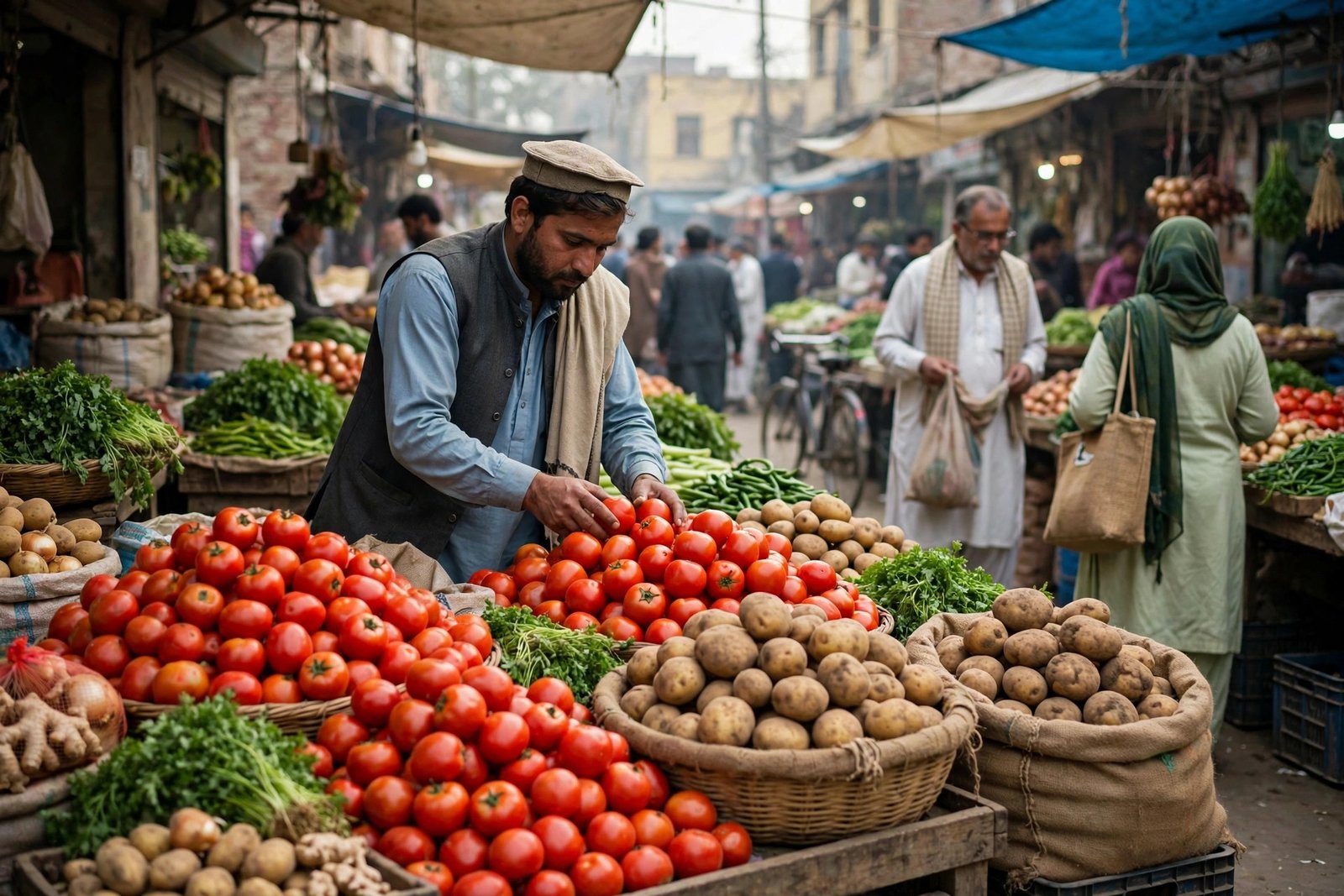
The biggest weekly rise came from tomatoes, and tomato prices rise 54.18 percent in a single week is the sharpest move in the whole basket. Tomatoes are also 78.89 percent dearer than they were a year ago, which makes them the most painful item on the shopping list this week. The jump in tomato prices alone was enough to outweigh the relief from cheaper petrol and diesel, which fell after the government cut fuel prices on Friday. Traders link the tomato spike to short supply, and prices of fresh vegetables often swing fast when arrivals at the wholesale markets fall.
Gas for cooking is the other big pressure, and LPG prices up 114.88 percent year on year is the largest annual rise of any item in the index. LPG rose by 3.72 percent in the latest week alone, adding to the cost of cooking for homes that rely on cylinders. Many families in areas without piped gas depend on LPG for daily cooking, so a rise of this size hits their monthly budget hard. The gas price has stayed high for months, and it is the main reason the yearly inflation rate remains above 12 percent.
The Pakistan Bureau of Statistics SPI November 5 report also shows that the poorest households felt the rise most. The lowest consumption group inflation 0.86 percent is the weekly rise for families spending up to Rs17,732 a month, and their index rose to 361.00 points from 357.92 points. This group spends the largest share of its income on food, so dearer tomatoes and potatoes hurt it most. Potatoes rose by 2.07 percent in the week, eggs by 1.17 percent and garlic by 1.06 percent, and all of these are daily items for low income homes.
Other items also became dearer in the week, though by smaller amounts. Firewood rose by 1.01 percent, salt powder by 0.91 percent, plain bread by 0.64 percent, fresh milk by 0.49 percent and curd by 0.41 percent. In all, 21 of the 51 items became more expensive during the week, while 10 became cheaper and 20 stayed unchanged. The items that fell included petrol and diesel after the fuel price cut, which gave some relief to transport costs. But the falls were not enough to balance the rises in food and cooking gas.
The wider picture is mixed, because the monthly inflation rate has been easing even as the weekly rate stays high. The Consumer Price Index eased to 9.6 percent year on year in October, down from 10.3 percent in September, though it was still higher than the 6.2 percent recorded in October 2025. The weekly index moves faster than the monthly one, so it picks up sudden jumps in food prices. Economists watch both, but families feel the weekly changes first at the market.
One point of care is needed about the cause of the rise. The Express Tribune linked the yearly surge to high energy prices and tensions in the Middle East, but the Pakistan Bureau of Statistics data itself does not give a cause for the weekly move. This article reports the figures as the bureau published them, and it treats the link to world events as the newspaper view rather than an official finding. Readers should also note that weekly prices can reverse quickly, and a fall in tomato arrivals next week could pull the index down again.
The next weekly reading will come on Friday, and shoppers will watch whether tomato prices ease or climb further. If vegetables stay dear and LPG stays high, the weekly rate is likely to stay above 12 percent year on year. For now, food prices rose faster than fuel prices fell, and the poorest families paid the most. The government relief on petrol helped, but it did not reach the kitchen, where tomatoes and gas set the cost of the daily meal.
Also Read:
Pakistan Textile Exports Rise 5.26pc to 5.03bn Dollars
Previous:
Gold Price Falls Rs6,500 a Tola After Two Day Rally
Next: