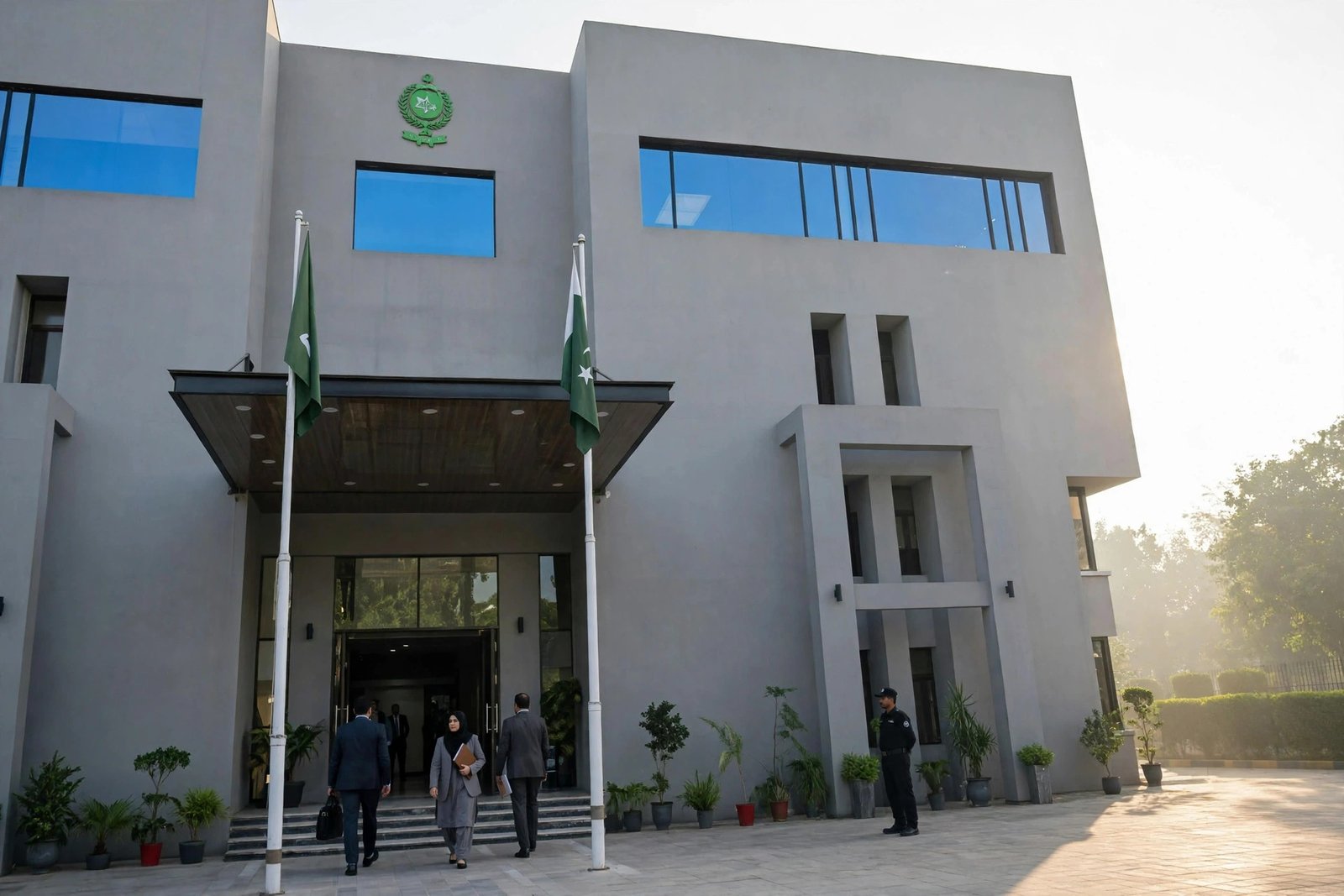
ISLAMABAD: PIA new CEO Adrian Hamilton-Manns has taken charge of Pakistan International Airlines, and his arrival marks a new chapter for the national carrier. The PIA board of directors appointed Hamilton-Manns on Monday, 2 November, and he replaces Air Vice Marshal Amir Hayat, who served as chief executive for around four and a half years. Hamilton-Manns brings 30 years of global aviation experience to the job, and he takes over just as the privatised airline is trying to rebuild its fleet and win back passengers.
The leadership change comes after a major shift in who owns and runs the airline, and the new chief executive will work for private owners, not the government. The Arif Habib consortium Rs135 billion PIA stake deal gave the consortium a 75 percent share in the airline, and it took management control on 29 June 2026. The government has received 10 billion rupees from the deal, while the consortium has injected 80 billion rupees into PIA, according to the Privatisation Commission. The consortium aims to make PIA profitable during its first year under private management, and the new chief executive is the man hired to deliver that plan.
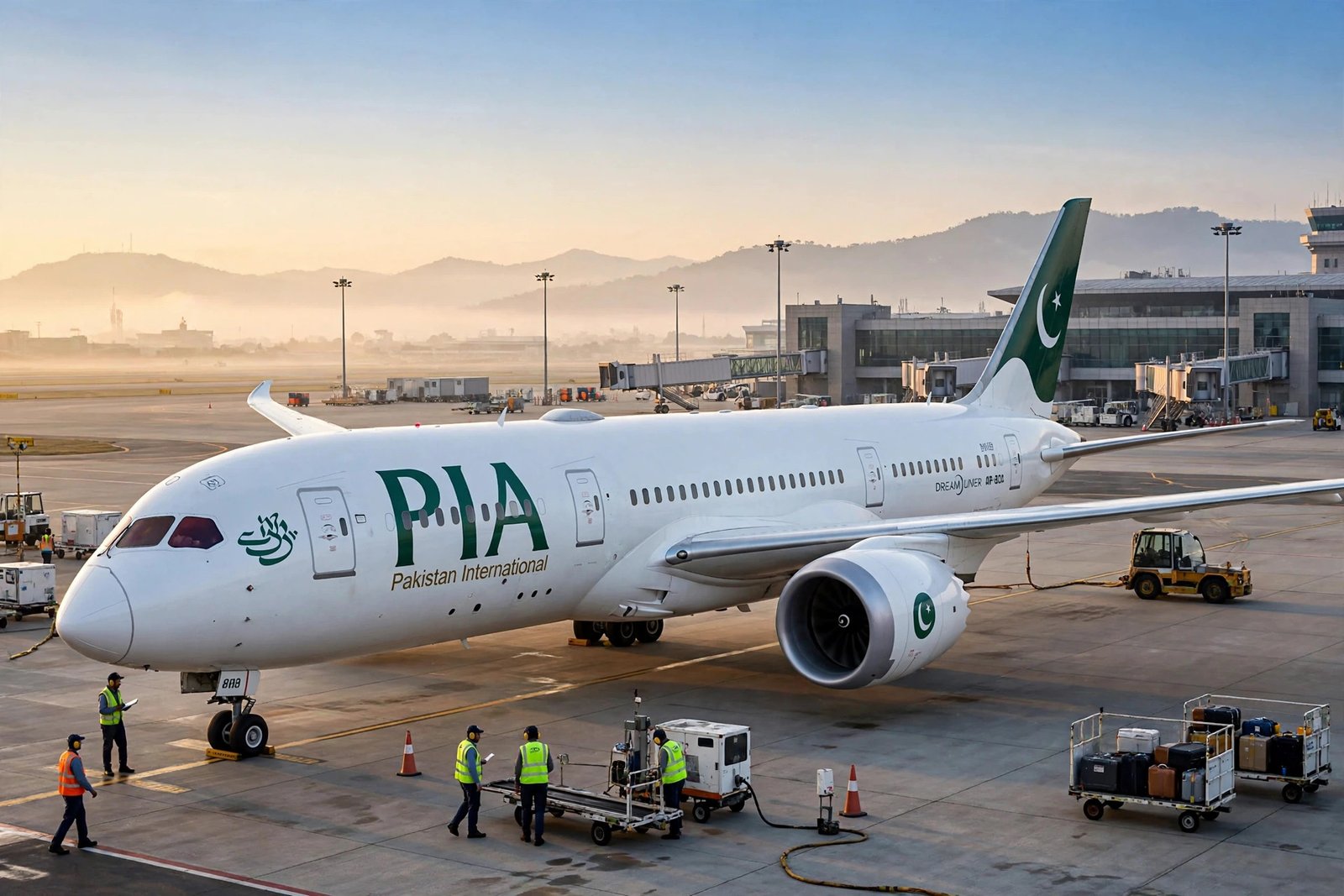
The most visible sign of change so far is the new aircraft, and the PIA Dreamliner Boeing 787 Norse Atlantic lease deal brought the first jet to Islamabad on 1 November. The Boeing 787-9 flew in from London Heathrow as flight PK786, and it is leased from Norse Atlantic Airways, which also supplies the crew under an aircraft, crew, maintenance and insurance deal signed in October. A second Dreamliner should land on 15 December, and two more aircraft, roughly seven to eight years old, will join in January 2027. The airline is also in talks with Boeing about the possible purchase of 16 Dreamliners.
Behind the new jets sits a harder problem, because the PIA 14 aircraft grounded engines issue is still holding the airline back. Fourteen of PIA own aircraft are grounded while they wait for engines, according to a PIA general manager who briefed the National Assembly Standing Committee on Privatisation. The Dreamliners do not belong to PIA, since they are leased with crew, so the airline is in the odd position of showing off new jets while its own planes sit on the ground. Its timelines for bringing the grounded jets back keep slipping, and that is the first test for the new chief executive.
The sale itself was a landmark, and the PIA first major privatisation nearly two decades tag is one the government uses with pride. The auction in December 2025 was the first major privatisation in nearly 20 years, and the bidding was fierce. The Arif Habib consortium won with a final bid of 135 billion rupees, narrowly beating the Lucky Cement led consortium at 134 billion rupees, while private airline Airblue exited the process after submitting a bid of 26.5 billion rupees. Of the money paid for the 75 percent stake, 92.5 percent will be invested in PIA and 7.5 percent will go to the government.
The consortium has big plans for the airline, and the PIA fleet expansion 18 to 62 aircraft target shows how far it wants to go. The consortium announced plans to invest 125 billion rupees in the first year, with the funds going to upgrades in ground operations and passenger services. It aims to expand the operational fleet from 18 aircraft to 62 in phases, and the adviser to the prime minister on privatisation, Muhammad Ali, told Reuters that the government expects the new owners to take full operational control by April, subject to regulatory approvals. The consortium will invest a further 45 billion rupees before a second financial closing.
Passengers may notice smaller changes first, because PIA management has started a deep cleaning exercise for its fleet to improve cabin maintenance and aircraft cleanliness. A PIA spokesman said on Friday that the airline management had launched the deep cleaning drive, and it is part of the wider effort to improve the service that passengers actually see. Clean cabins, working seats and on time departures matter more to most travellers than the ownership of the airline, and the new management knows it.
For the new chief executive, the job is really three jobs at once, and each one is hard on its own. He must get the grounded aircraft back in the air, make the leased Dreamliners pay their way, and turn a loss making airline into a profitable one, all while the fleet is rebuilt from 18 aircraft towards 62. The consortium has the money and the mandate, and the government has stepped back from running the airline day to day. Whether the plan works will show in the next year, in the number of aircraft flying and the number of passengers choosing PIA.
Readers should keep one point in mind as they follow this story. An earlier post in this series covered the PIA fleet rebuild, and this article is about the new chief executive and the latest steps, not a repeat of that story. The figures here come from the Privatisation Commission, the National Assembly committee briefing and the airline own announcements, and the timelines for new aircraft have slipped before, so the dates for December and January should be read as plans, not promises.
Also Read: Pakistan Cement Sales Hit Five Year October High in 2026
Previous: Daraz 11.11 Sale Brings Up to 80pc Off From Next Week
Next: Pakistan Face India in U19 Asia Cup Clash on Sunday