
Makers of the capacitors, magnets and battery materials inside AI servers and electric vehicles are lining up to invest in Thailand. Since 2023, they have filed 35 advanced materials projects worth about $690 million, or 23.5 billion baht, with the Thailand Board of Investment, the government’s investment promotion agency.
The Thailand AI investment plans were filed through the first half of 2026. Surging demand for AI, electric vehicles and clean energy is pushing global suppliers to build upstream capacity in the country, rather than only assembling finished goods there.
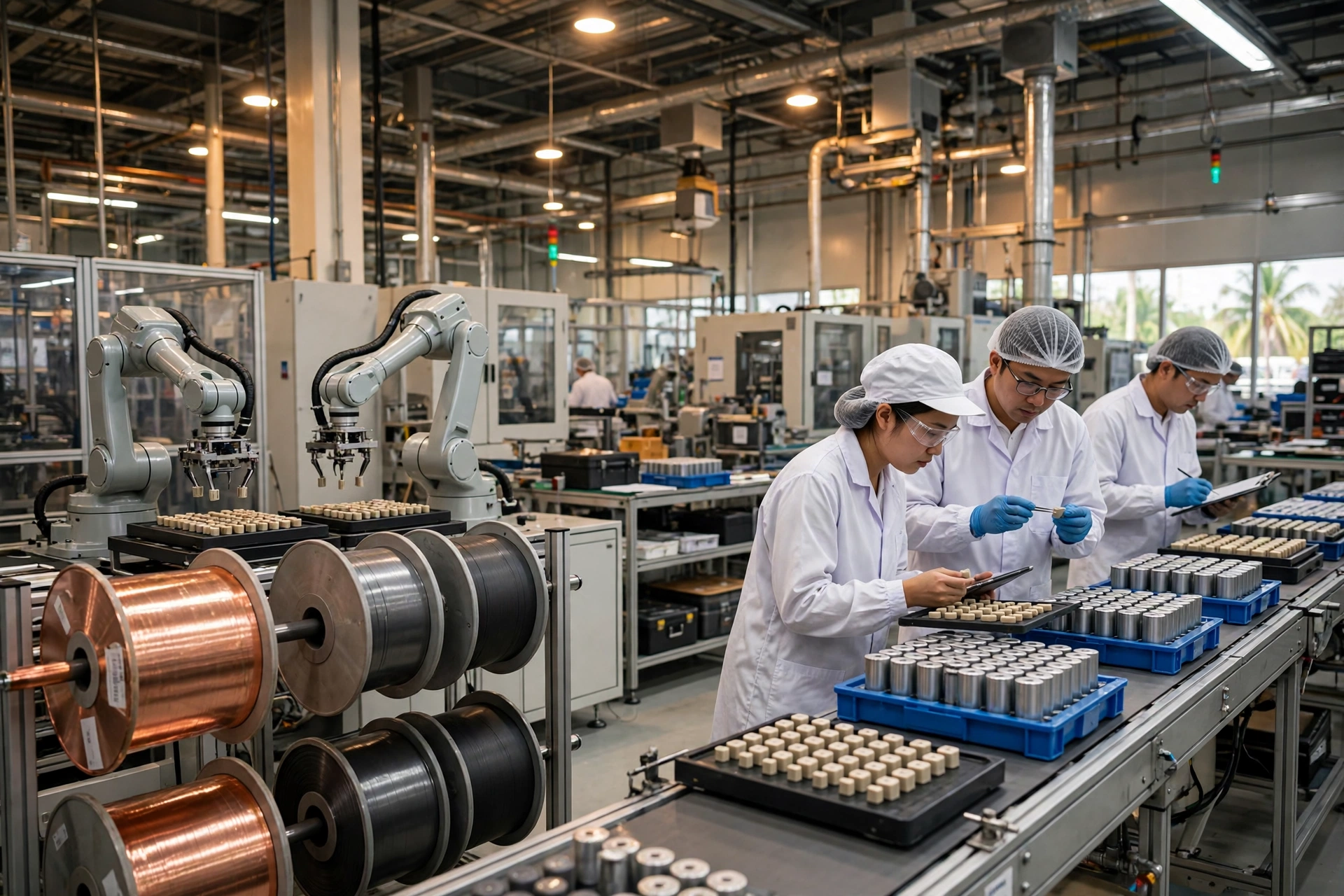
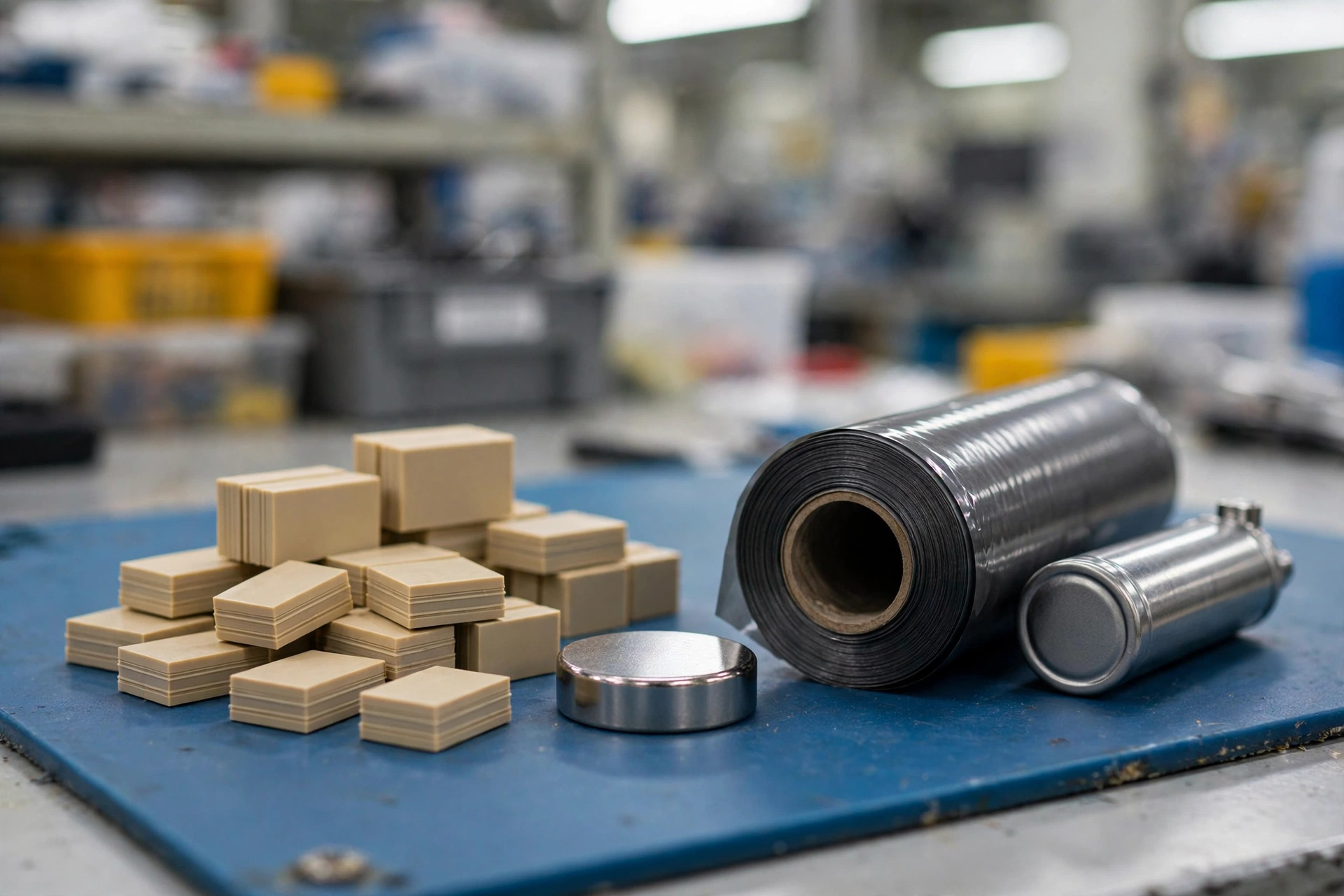
The investment plans cover a wide set of materials. They include multilayer ceramic capacitors, known as MLCCs, thermal graphite films, high-performance ceramics, battery and fuel-cell materials, neodymium magnets, glass and quartz fabrics for printed circuit boards, and nanomaterials for precision manufacturing.
Together, the projects mark a shift for one of Southeast Asia’s largest economies. Thailand has long been known for assembling cars and electronics, and the new filings point to a move toward the high-value materials on which future industries are built.
Small parts, big demand
The parts in question are small, but they are hard to make and easy to overlook. In AI computing and clean energy, lighter, more heat-resistant and more conductive materials decide how well a device performs, and the supply of those materials has become a bottleneck as demand grows.
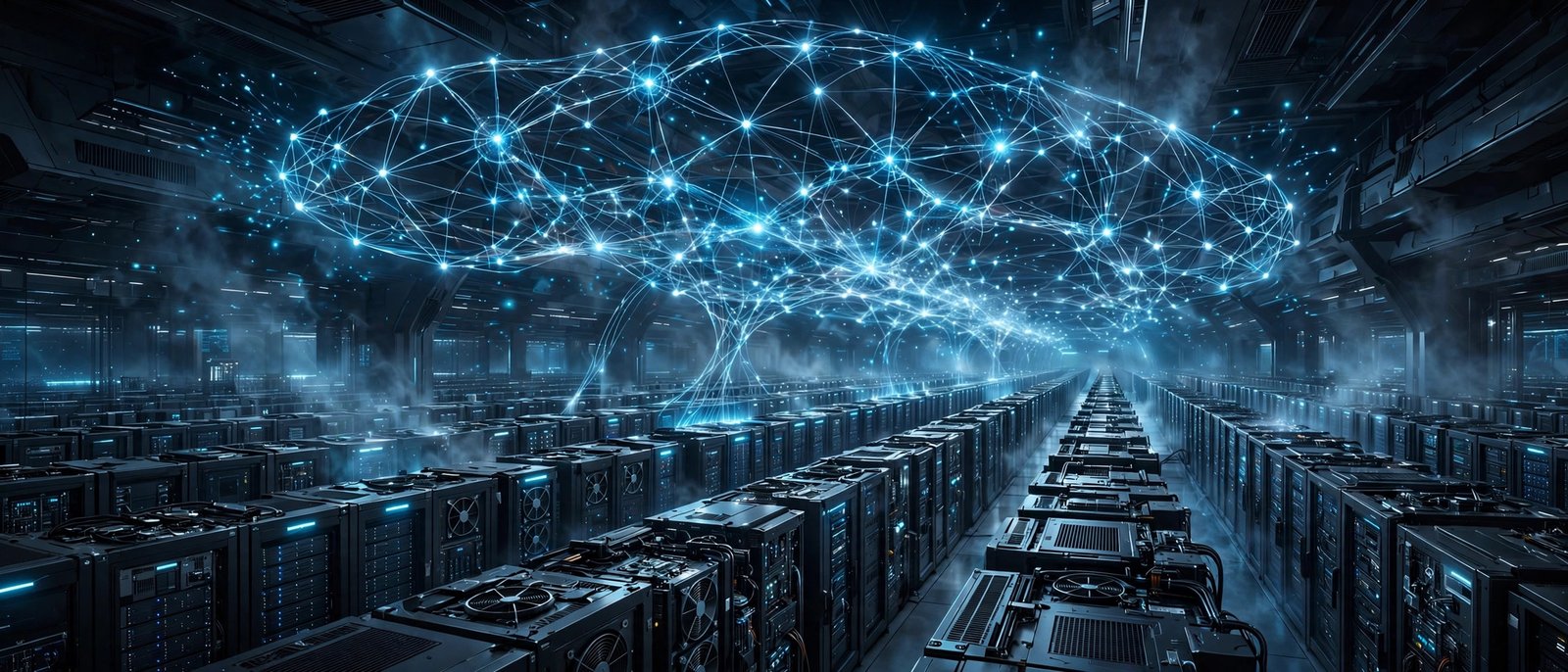
MLCCs are a good example. They are essential components in products from smartphones to AI servers, and a single high-end server can use up to 30,000 of them. As data centres expand to handle more AI work, the need for these tiny capacitors keeps rising, and suppliers are looking for places to make more of them.
The same logic applies to the other materials on the list. Neodymium magnets are used in electric vehicle motors, thermal graphite films help manage heat in compact devices, and battery materials sit at the heart of every electric car. Each one is a small piece of a much larger machine, and each one needs a factory of its own.
For Thailand, the attraction is clear. These are the upstream inputs that its car plants and electronics factories already need, and making them at home means shorter supply chains and less reliance on imports from elsewhere.
A move up the chain
The Thailand Board of Investment announced the figures on Saturday, 24 October. The board is the government agency that promotes investment in the country, and the 35 projects were filed with it over the past three years.
“The world is moving toward products that are smaller and lighter, yet stronger and more efficient,” said Narit Therdsteerasukdi, the board’s secretary general. “Producing advanced materials in Thailand is key to building sustainable industrial capacity, reducing reliance on imports, and opening the door for Thai companies to join higher-value supply chains.”
His point is about more than one set of factories. Thailand has built its economy on manufacturing, from cars to hard drives, but much of that work has been downstream, putting together parts made somewhere else. Advanced materials sit further up the chain, closer to the science and the design, and they tend to bring higher wages and deeper skills with them.
That is why the board is treating the filings as a sign of progress. The projects do not just add capacity, they add a new layer to the country’s industrial base, one that connects directly to the two fastest growing markets in technology today.
What comes next
The filings are plans, not finished factories, and it will take time before all of them are built and running. Some projects may change in size or timing as companies firm up their budgets, and the board’s figures cover what has been filed rather than what has already been spent.
Even so, the direction of travel is hard to miss. The AI boom has created a rush for the parts that make servers work, and the electric vehicle boom has done the same for batteries, magnets and power electronics. Countries that can host those supply chains stand to gain, and Thailand is making a clear pitch for a share of them.
For Thai companies, the opportunity is to move from supplying labour and assembly to supplying the materials themselves. That is a longer road, and it needs engineers, research and steady power and water supplies, but the first steps are now on the board’s books.
The Thailand AI investment plans filed since 2023 are a start, not a finish. If they go ahead as planned, Thailand will be making more of the small, vital parts inside the machines that define the next decade, from the AI servers in data centres to the electric cars on its own roads.