
Another red day in Karachi
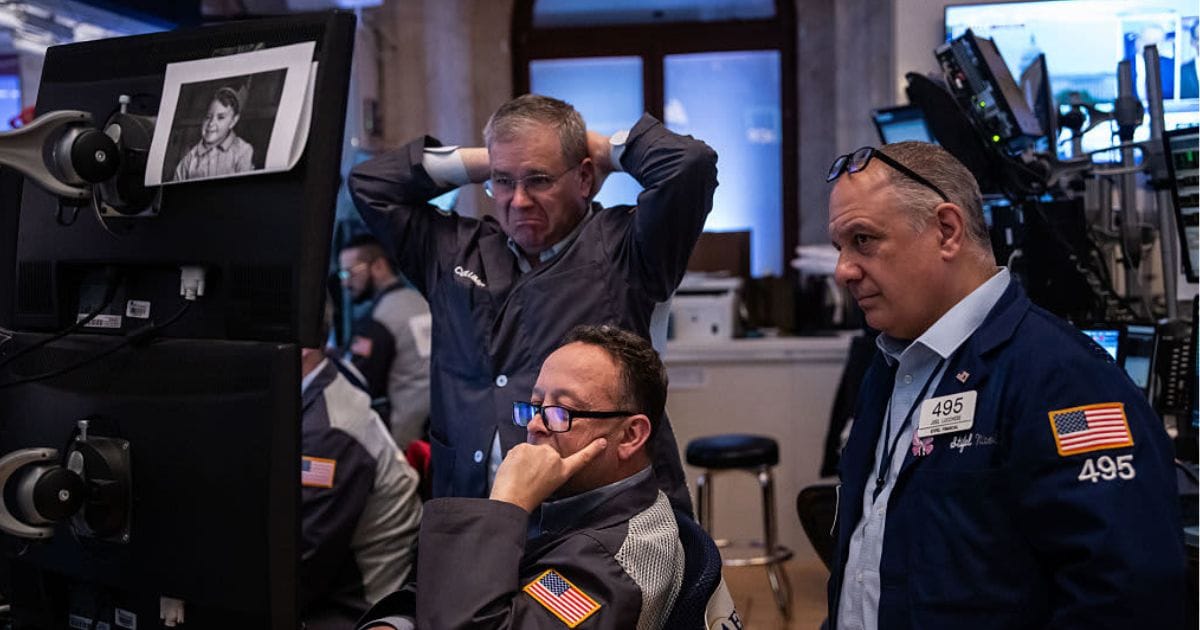
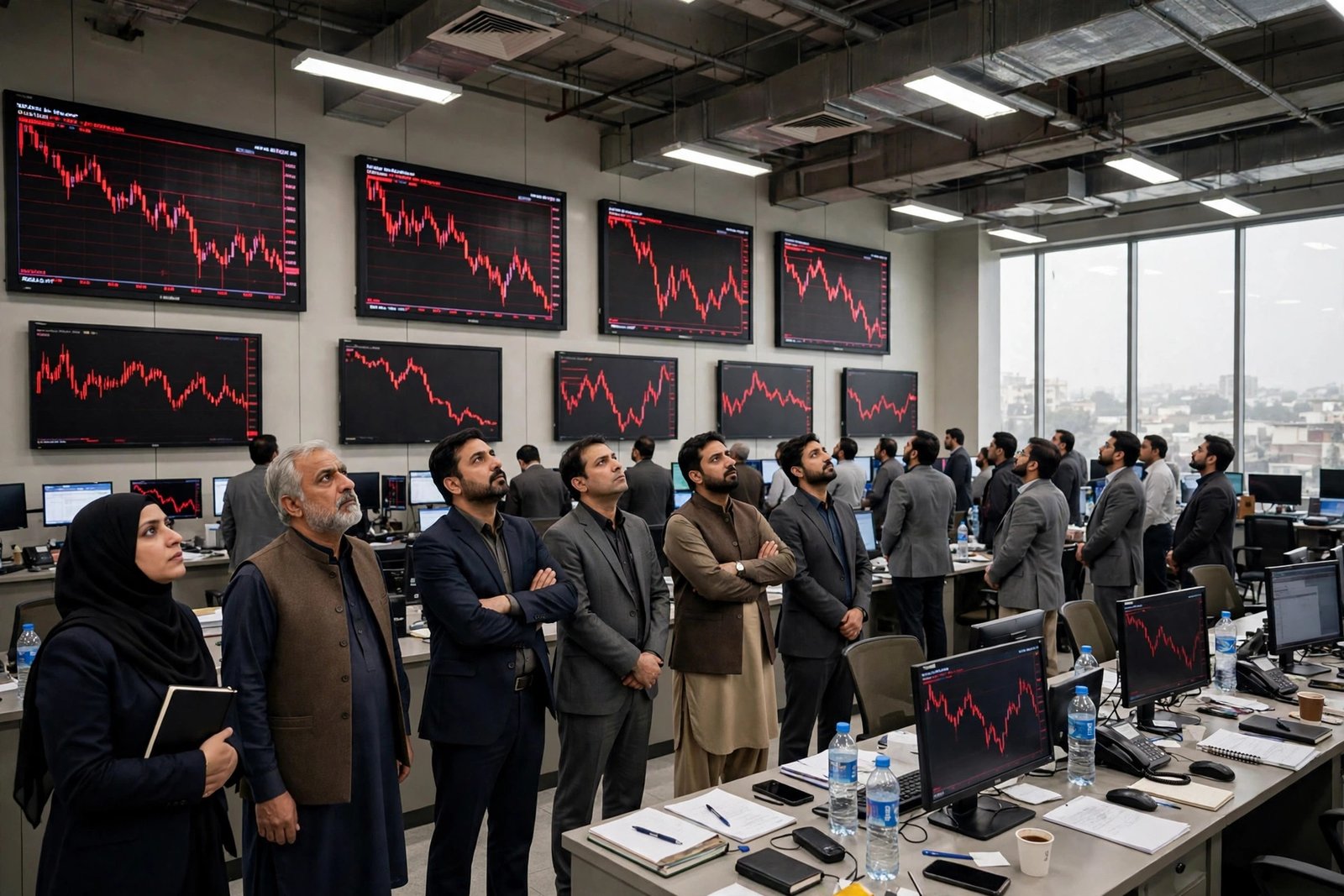
Selling pressure returned to the bourse on Friday. The benchmark KSE-100 index fell 1,335.01 points, or 0.81 percent, to 162,589.30, extending the previous day’s steep losses. The index opened near 163,869, touched a high of 163,966.86 early on, and then slid to an intraday low of 162,407.61 as sellers took control. Most shares traded lower on the day, with only about 115 stocks rising against more than 350 that fell.
Thursday had been even worse. The index had plunged 2,006.67 points, or 1.21 percent, to close at 163,924.32, so in just two sessions the market has given up more than 3,300 points.
Oil is the worry
Traders and analysts linked the selling directly to events in the Middle East. Fighting has intensified between Saudi Arabia, the world’s largest crude oil exporter, and the Houthi movement in Yemen, whose attacks this week hit an airport in Dammam and an oil field facility. Brent crude traded around 113 to 114 dollars a barrel, close to its highest levels in months.
For Pakistan, expensive oil is bad news on several fronts at once. The country imports most of its energy, so every rise in the oil price increases the import bill and puts pressure on the external account. Costlier fuel also feeds inflation at home, which hurts businesses and households alike.
Selling was broad-based. Automobile assemblers, cement makers, commercial banks, oil and gas exploration companies, oil marketing companies, power producers and refineries all came under pressure. Index heavyweights such as Hub Power, Pakistan Petroleum, Pakistan Oilfields, United Bank and MCB Bank traded in the red.
Rate decision adds to the caution
Geopolitics was not the only concern. Sana Tawfik, head of research at Arif Habib Limited, told Business Recorder that selling also reflected weakness in global markets and cautious sentiment ahead of the State Bank’s monetary policy decision on Monday, with some investors expecting a rate hike. When investors fear higher interest rates, holding cash or bonds starts to look safer than holding shares.
The International Monetary Fund added to the uneasy mood this week. In its October 2026 Regional Economic Outlook, the IMF projected that Pakistan’s external position would weaken over the medium term as imports rise and remittances slow, and warned that a long Middle East conflict could raise inflation and government borrowing costs.
What investors watch next
All eyes now turn to Monday, when the State Bank announces its monetary policy decision. Some investors expect a rate hike, and a higher policy rate would make bank deposits and government papers more attractive than shares, at least in the short term.
Traders will also watch oil over the weekend. If Brent crude stays above 110 dollars a barrel, or the fighting in the Middle East spreads further, Monday could bring a third straight day of selling. If oil cools and the rate decision matches expectations, bargain hunters may step in after a two-day fall of more than 3,300 points.
Why it matters
Two days of heavy losses show how quickly events thousands of kilometres away can hit Pakistani savings and pensions invested in the stock market. If oil stays high and the fighting spreads, pressure on the rupee, inflation and the external account will grow. Investors will watch the weekend’s headlines from the Middle East, and Monday’s interest rate decision, before deciding whether this slide is a buying chance or the start of a longer fall.