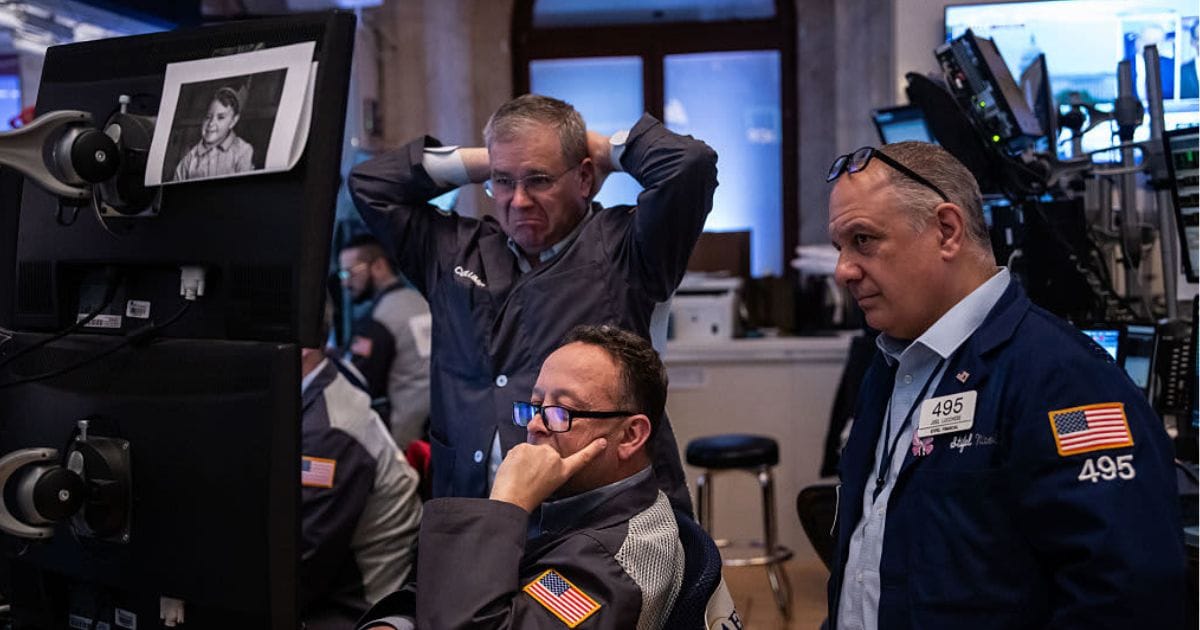


Crude prices edged closer to $100 a barrel Monday after satellite images confirmed Saudi Arabia has successfully shifted its oil exports back through the Strait of Hormuz — a development that, paired with growing optimism around Iran war diplomacy, sent traders selling
Crude oil prices fell near 100 a barrel as Saudi Arabia increased exports through the Strait of Hormuz amid growing hopes for diplomacy in the Iran war.
Brent extended its losing streak to four sessions, finishing the day down 3.4%. WTI fared even worse, with its expiring October contract sliding about 4.5%.

Crude Oil Prices and Iran Diplomacy
Behind the move: satellite tracking showed a notable jump in Saudi crude loadings from the Persian Gulf over the weekend, with tanker activity at the kingdom’s key port reaching its busiest level since June. The uptick suggests Riyadh has effectively rerouted its exports back through Gulf waters after drone attacks knocked out its essential East-West pipeline.
The conflict’s toll on energy infrastructure keeps mounting on both fronts. Ukraine has continued targeting Russian refineries, and investors are bracing for a slow, costly recovery for oil facilities across both the Middle East and Europe. In response, the Trump administration has floated a $5 billion fund to help rebuild damaged energy infrastructure in the region, according to the Wall Street Journal.
There are diplomatic threads to watch, too. Trump told Fox News he’d “probably” be willing to meet Iranian President Masoud Pezeshkian on the sidelines of this week’s UN General Assembly in New York. He’s also set to sit down with China’s Xi Jinping — a meeting with real stakes for oil markets, since China is both the world’s largest crude importer and Iran’s top customer. Washington is looking to ratchet up pressure on Tehran’s remaining trade partners.
Even with the recent pullback, crude is still up more than 65% this year, and diesel remains the market’s biggest headache: US pump prices just hit a fresh high above $6.50 a gallon, even as diesel futures fell about 3% Monday. The sustained spike in energy costs has reignited inflation fears nationwide — a politically awkward backdrop for Republicans heading into the midterms.
On the ground, flows through Hormuz — the world’s most vital oil chokepoint — are running at a six-month high. Admiral Brad Cooper, head of US Central Command, said roughly 32 ships a day passed through the strait with US assistance between September 17 and 19, according to UK Maritime Trade Operations.
“Focus has shifted to improving oil and LNG flows through Hormuz and the possibility of diplomatic progress on the sidelines of the UN General Assembly,” said Arne Lohmann Rasmussen, chief analyst at A/S Global Risk Management. “The worst pressure on crude may be easing.”
Still, the danger hasn’t passed. Saudi Arabia sounded air-raid sirens in Riyadh over the weekend — the first since the height of the US-Iran conflict in March and April — along with fresh warnings for Red Sea ports like Yanbu, as Houthi threats from Yemen continue to loom over the kingdom.