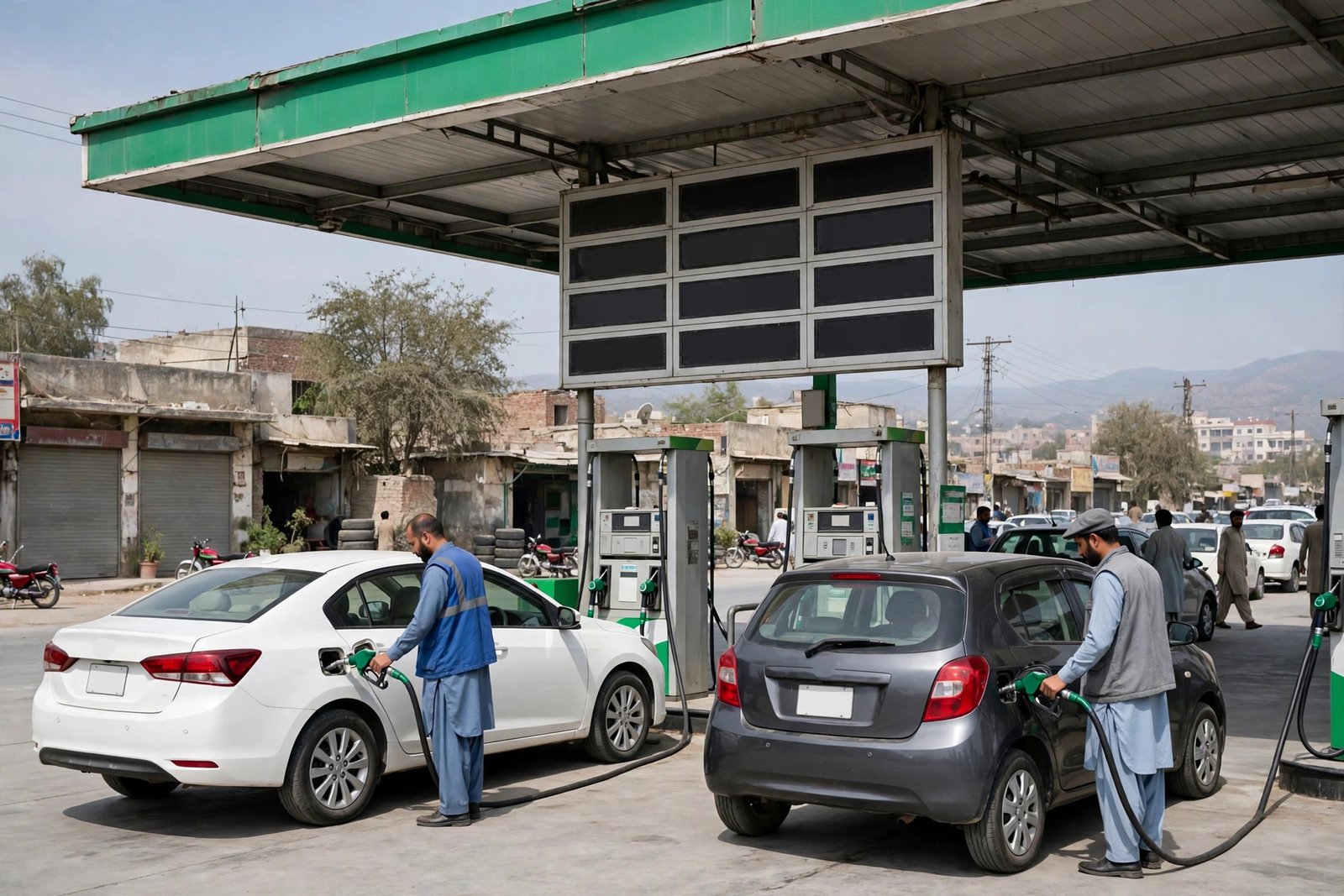
Petrol price cut Rs7.06 was announced by the federal government on Wednesday 4 November 2026, and the new price took effect on Thursday 5 November. Petrol now costs Rs362 per litre, down from Rs369.06, while High Speed Diesel costs Rs387.81 per litre, down Rs3.71 from Rs391.52. The cut gives relief to motorists at a time when fuel prices have moved almost every day, and it follows a cut of Rs5.45 in petrol and Rs3.68 in diesel only a day earlier. For a family that uses a motorbike or a small car every day, even a few rupees per litre makes a real difference over a month.
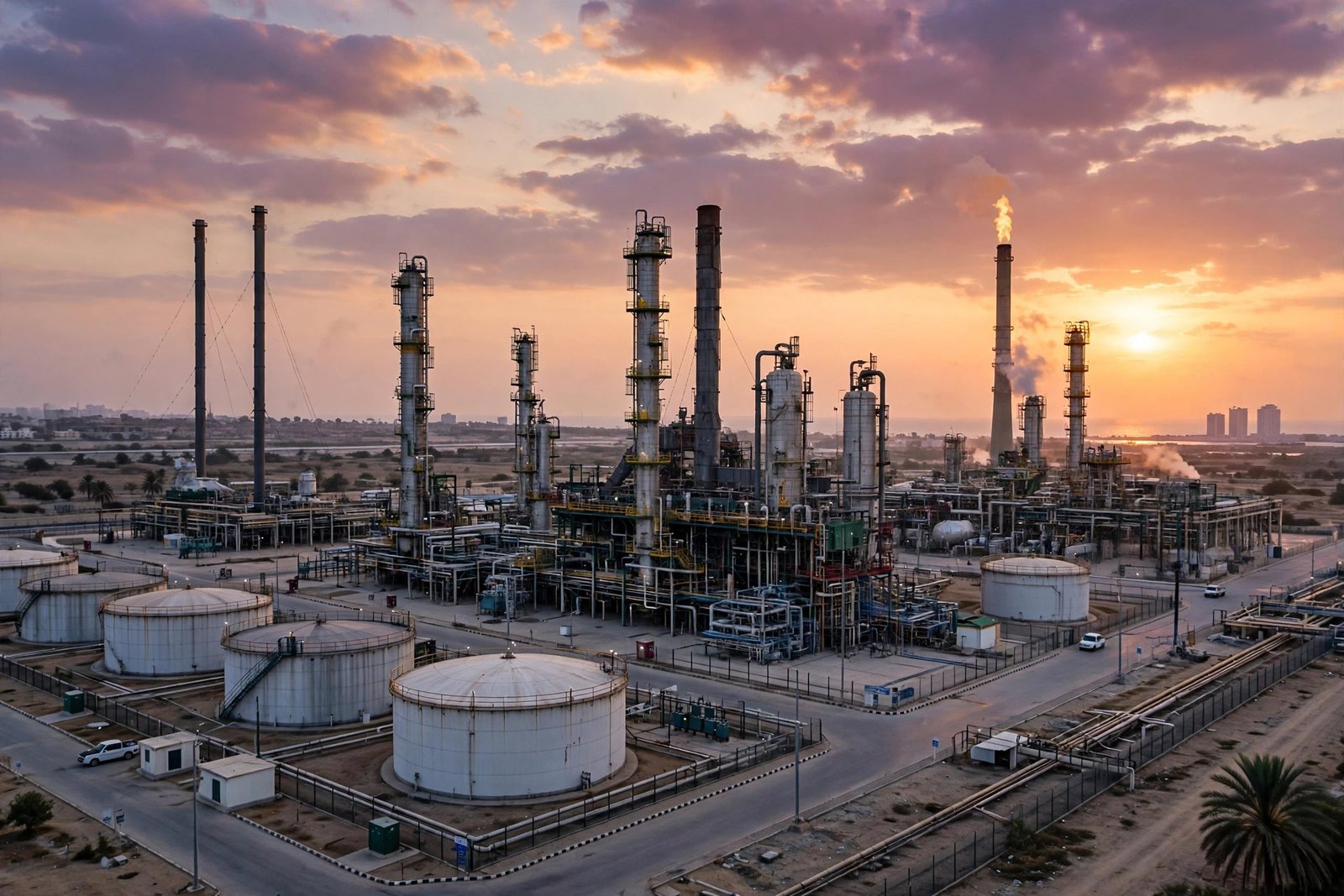
OGRA petrol price changes are now made under a daily pricing system, which replaced the old weekly system in July 2026. Under the daily system, the Oil and Gas Regulatory Authority works out the ex depot price each day from international oil prices and the exchange rate, and the government notifies the new rate. The latest cut came after international oil prices fell, and the government said oil refineries would bear a burden of Rs15 billion a month so that petrol could be sold Rs15 cheaper than the global market price. That arrangement was announced on Monday, and it is meant to last for 30 days.
High Speed Diesel is the fuel that powers trucks, buses and farm machinery, so a cut in its price matters for more than private cars. When diesel gets cheaper, the cost of moving goods from farms and factories to markets can fall, and that can help keep the prices of food and other daily goods steady. The latest diesel cut of Rs3.71 followed a fall in the global diesel crack spread, which dropped from 41.89 dollars to 38 dollars a barrel, according to Business Recorder. The paper said the petrol cut reflected the fall in international oil prices and the new refinery arrangement.
Shehbaz Sharif, the prime minister, also took a firm step on the same day on the fuel subsidy for small vehicle owners. He directed the authorities to cancel the licences of petrol pumps that fail to facilitate registered beneficiaries under the Prime Minister Fuel Relief Programme. The scheme, announced in September, gives a subsidy of Rs100 per litre on a monthly quota of 20 litres for motorbikes and three wheelers, and 30 litres for cars with engines up to 800cc. The prime minister said the subsidy must reach the people it was meant for, and pumps that block it should lose their licence.
The fuel subsidy programme has already reached a large number of people, according to the briefing given to the prime minister. A total of 15,519,282 citizens had registered under the scheme so far, including 15.06 million motorcycle owners and 449,000 owners of vehicles with engines up to 800cc. A total of 63,153,685 fuel tokens had been issued, of which 59,445,347 had been used, and payments of Rs28.6 billion had been made under the scheme as of 4 November. Separate call centres have been set up for consumers and petrol pumps to give information and to deal with complaints about the programme.
Petroleum levy is the tax like charge that sits on top of the fuel price, and it has been a big part of the debate about why petrol costs what it does. Under the new arrangement announced on Monday, oil refineries will contribute to the petroleum levy by bearing a cumulative impact of Rs15 billion, according to the government. That is the step that lets the pump price fall by Rs15 a litre against the global market price, even though the levy itself has not gone away. For now, the government has chosen to use the refinery contribution to pass relief to consumers rather than to collect the full levy at the pump.
For motorbike riders, who are the largest group of fuel users in Pakistan, the two cuts in two days add up to real savings. Petrol fell by Rs3.40 to Rs374.51 on Monday, then by Rs5.45 to Rs369.06 on Tuesday, and then by Rs7.06 to Rs362 on Wednesday, so the price has come down by more than Rs12 in three days. A rider who buys 20 litres in a month under the subsidy scheme saves Rs100 a litre on that quota, and the lower pump price helps on every litre beyond the quota too. For a small car owner, the saving is smaller in litres but still welcome at the end of the month.
The daily price system also means that prices can rise again just as fast as they have fallen, and drivers know that from past experience. International oil prices fell this week after fears of a wider war in the Middle East eased, and that fall is what made the cuts possible. If oil prices rise again, or if the rupee weakens against the dollar, the daily system will pass that change on to the pump price the next day. That is why the government has stressed that the refinery arrangement is for 30 days, and why it has linked the relief to the current fall in global prices.
In the coming days, the items to watch will be whether the daily price stays at Rs362 or moves again, whether petrol pumps follow the subsidy rules after the prime minister warning, and whether the refinery contribution of Rs15 billion a month is extended beyond 30 days. For now, the Petrol price cut Rs7.06 is the second cut in two days, and it has taken petrol to its lowest level in weeks, with diesel down too, and the subsidy scheme still running for small vehicle owners.
Also Read: Xiaomi HyperOS 4 Reaches Pakistan Phones in Beta Test
Airlink Launches AirV Electric Bikes With 11 Models