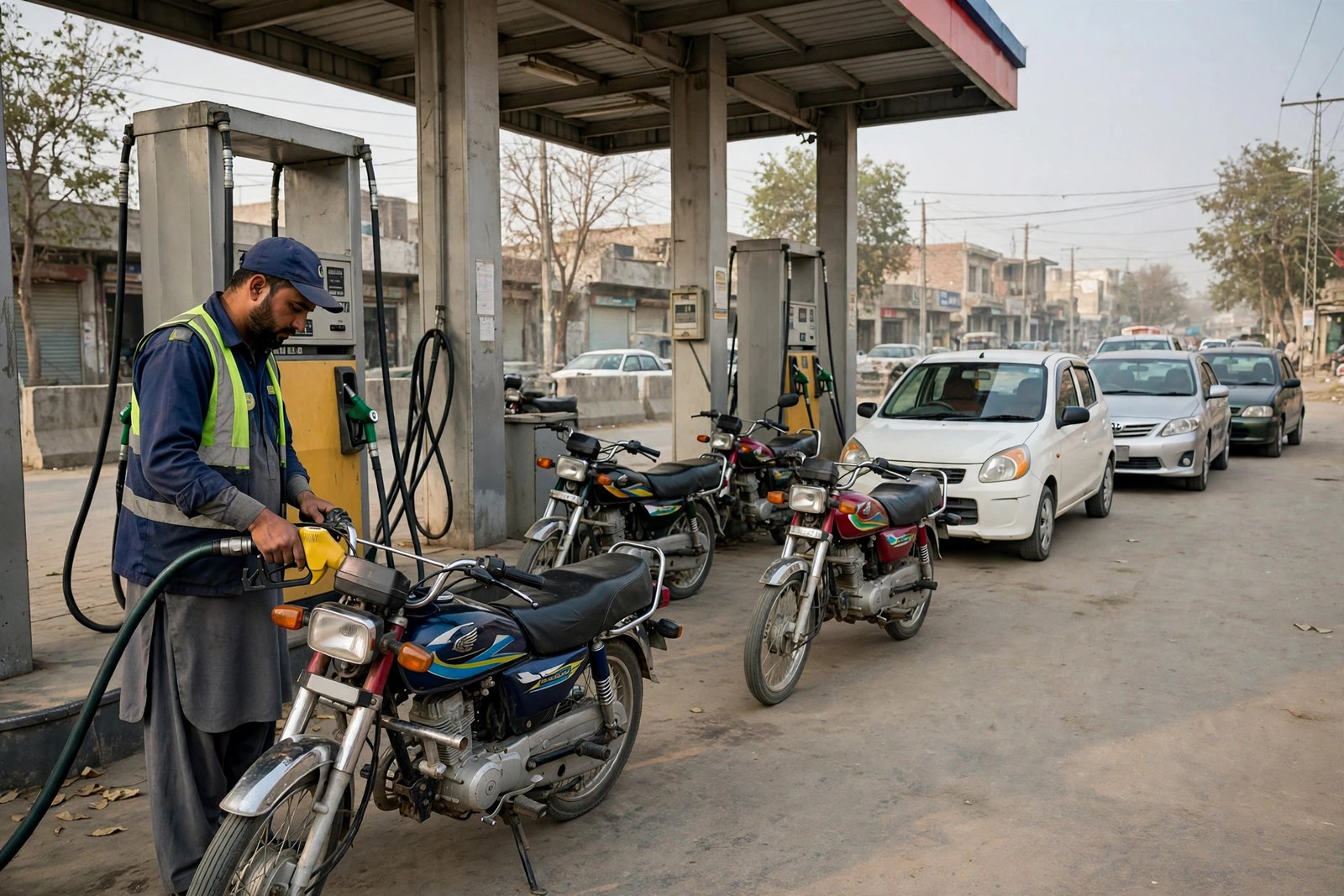
Pakistan fuel subsidy licence cancellation has been ordered for petrol pumps that refuse to give subsidised fuel to registered beneficiaries, after complaints that thousands of people were turned away. Prime Minister Shehbaz Sharif gave the order on 5 November, during a high level meeting to review the Prime Minister Fuel Relief Programme. He warned of strict action against outlets denying the facility to eligible citizens, and he said no pump would be allowed to ignore the scheme.
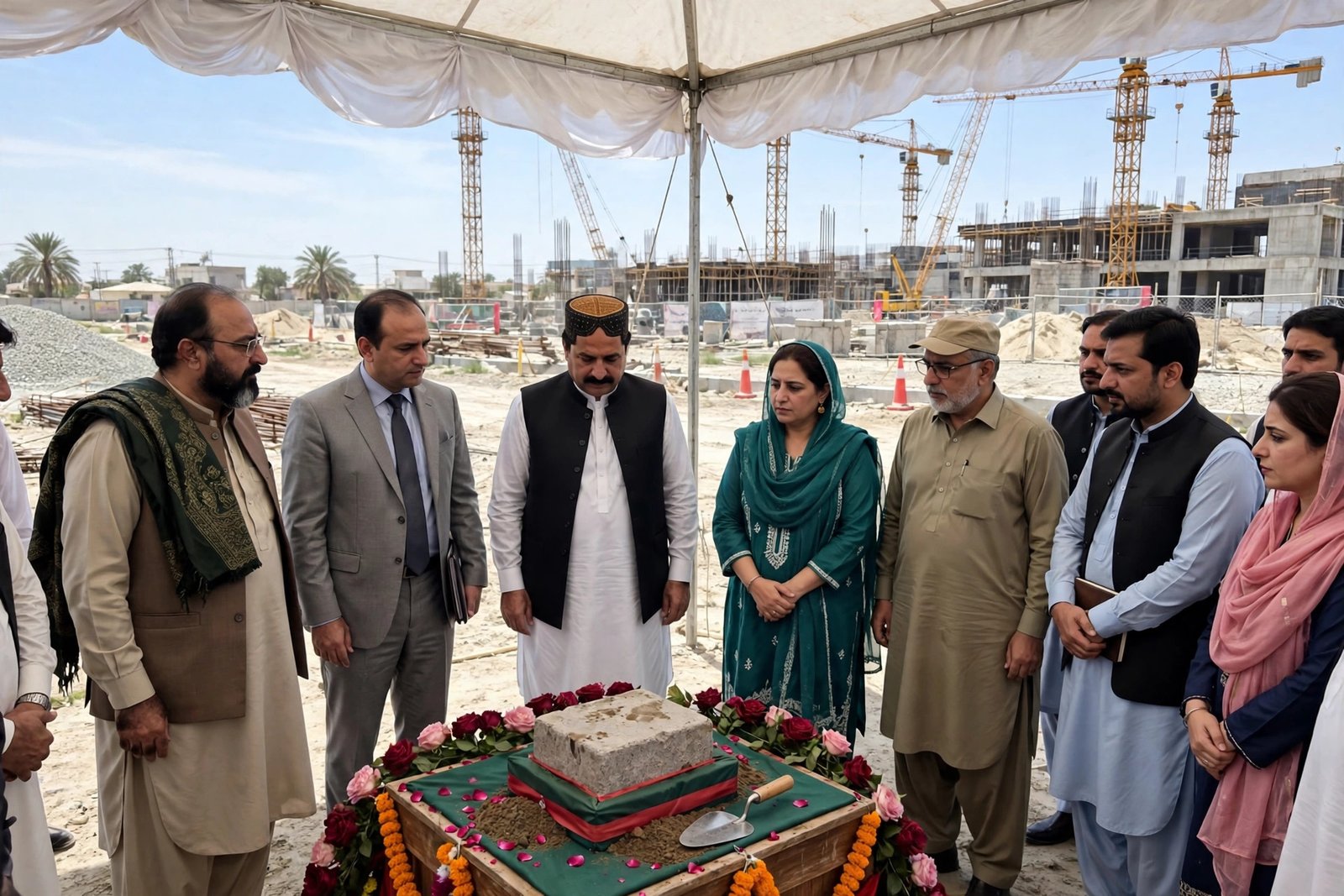
Shehbaz Sharif is the prime minister who chaired the review meeting. Prime Minister Shehbaz Sharif chaired a high level meeting at the Prime Minister Office in Islamabad to review progress on the fuel subsidy programme and assess its implementation across the country. The meeting was told that the programme has reached millions of people, but that a number of pumps were still refusing to serve them. The prime minister ordered the cancellation of licences of petrol pumps refusing to provide subsidised fuel, and he directed officials to act against the outlets named in the complaints.
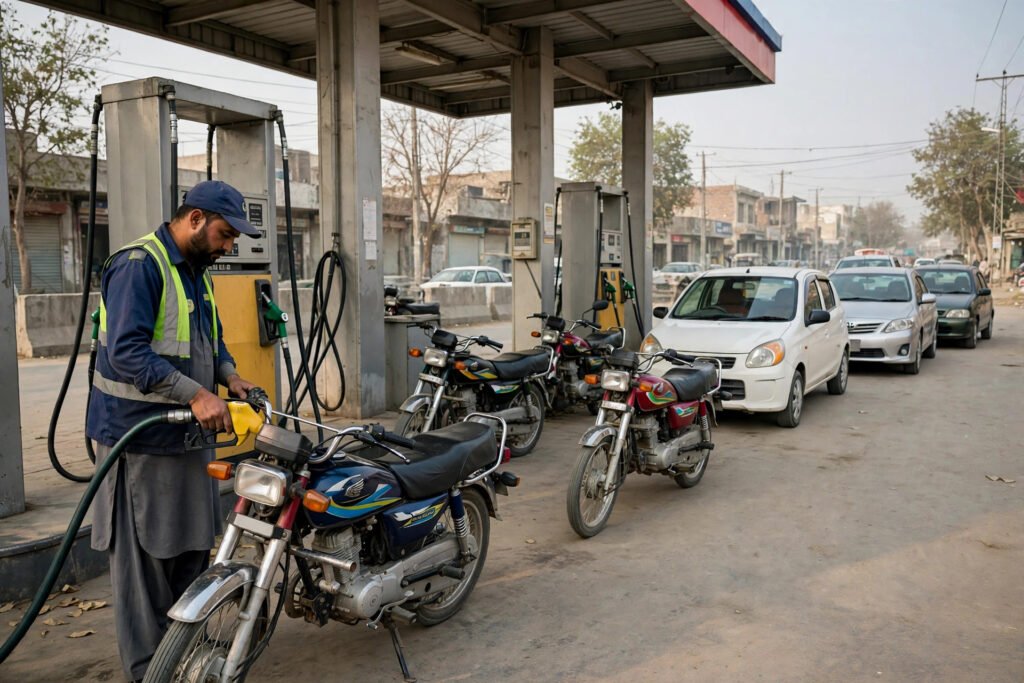
The Prime Minister Fuel Relief Programme is the scheme at the centre of the order. The Prime Minister Fuel Relief Programme gives subsidised fuel to registered beneficiaries, who receive tokens that they can use at participating pumps. The programme was set up to help people who use motorcycles and small vehicles, and who spend a large share of their income on fuel. The subsidy is paid by the government, and the pump is meant to give the fuel at the subsidised rate and claim the money back.
The 63,153,685 fuel subsidy tokens figure shows how large the programme has become. The meeting was informed that 63,153,685 fuel subsidy tokens had been issued, of which 59,445,347 had been redeemed, representing a redemption rate of just over 94 percent. The 63,153,685 fuel subsidy tokens were issued to registered beneficiaries across the country, and the high redemption rate shows that most people were able to use their tokens. The problem is the small share that could not, and the complaints behind that share are what led to the licence order.
The 94 percent token redemption rate is both a success and a warning. A redemption rate of just over 94 percent means that most tokens were used, but it also means that more than 3.7 million tokens were not redeemed. Some of those tokens may have expired, or the holder may not have needed fuel, but a report in October said around 31,000 consumers had been denied subsidies, prompting the government to order an audit of fuel stations and rectification of registration errors. The complaints related to refusal of service, technical faults, expired tokens and registration discrepancies.
The Rs28.6 billion fuel subsidy payments figure shows how much money has already been paid. Payments amounting to Rs28.6 billion had been made under the programme as of 4 November, accounting for 38 percent of the total amount allocated by the government. The Rs28.6 billion fuel subsidy payments have gone to pumps and to the system that runs the scheme, and the total allocation is much larger, so the programme still has money to spend. The government wants that money to reach the people it was meant for, and not to be blocked by a pump that refuses to serve them.
For a motorcycle rider, the subsidy is not a small matter. Fuel is one of the biggest daily costs for a rider who uses a bike to get to work, to carry goods, or to run a small business. A subsidised litre saves a few rupees, and over a month that saving adds up to real money for a family. When a pump refuses the token, the rider has to pay the full price, or ride to another pump and hope it will serve him. The licence order is meant to end that refusal, by making the cost of refusing higher than the cost of serving the customer.
The audit ordered in October is still part of the story. The government ordered an audit of fuel stations and rectification of registration errors after the report of 31,000 denied consumers, and the meeting on 5 November reviewed the progress of that work. The audit looks at which pumps refused service, which tokens failed for technical reasons, and which registrations had errors that blocked a genuine beneficiary. The licence cancellations are the sharp end of that audit, and they send a message to every other pump in the scheme.
In the coming weeks, the items to watch will be how many licences are actually cancelled, whether the redemption rate rises above 94 percent, and whether complaints from beneficiaries fall. The prime minister has given a clear order, and the programme has the money and the tokens to work. For now, the Pakistan fuel subsidy licence cancellation order stands, with 63,153,685 tokens issued, Rs28.6 billion paid, and a warning to every pump that refuses a registered beneficiary.
Also Read: Punjab Wheat Cultivation Target 16.5 Million Acres Set