Pakistan Rs10 coin approval has been given by the federal cabinet, which met on the evening of 4 November 2026 and agreed to introduce a Rs10 coin to replace the Rs10 banknote. The cabinet also approved the designs of a new series of currency notes. The decisions were made on the recommendation of the Finance Ministry, and they form part of a wider update to the currency in circulation. For most people, the headline is simple at first glance: a coin will take the place of a low value note that passes through many hands every day.
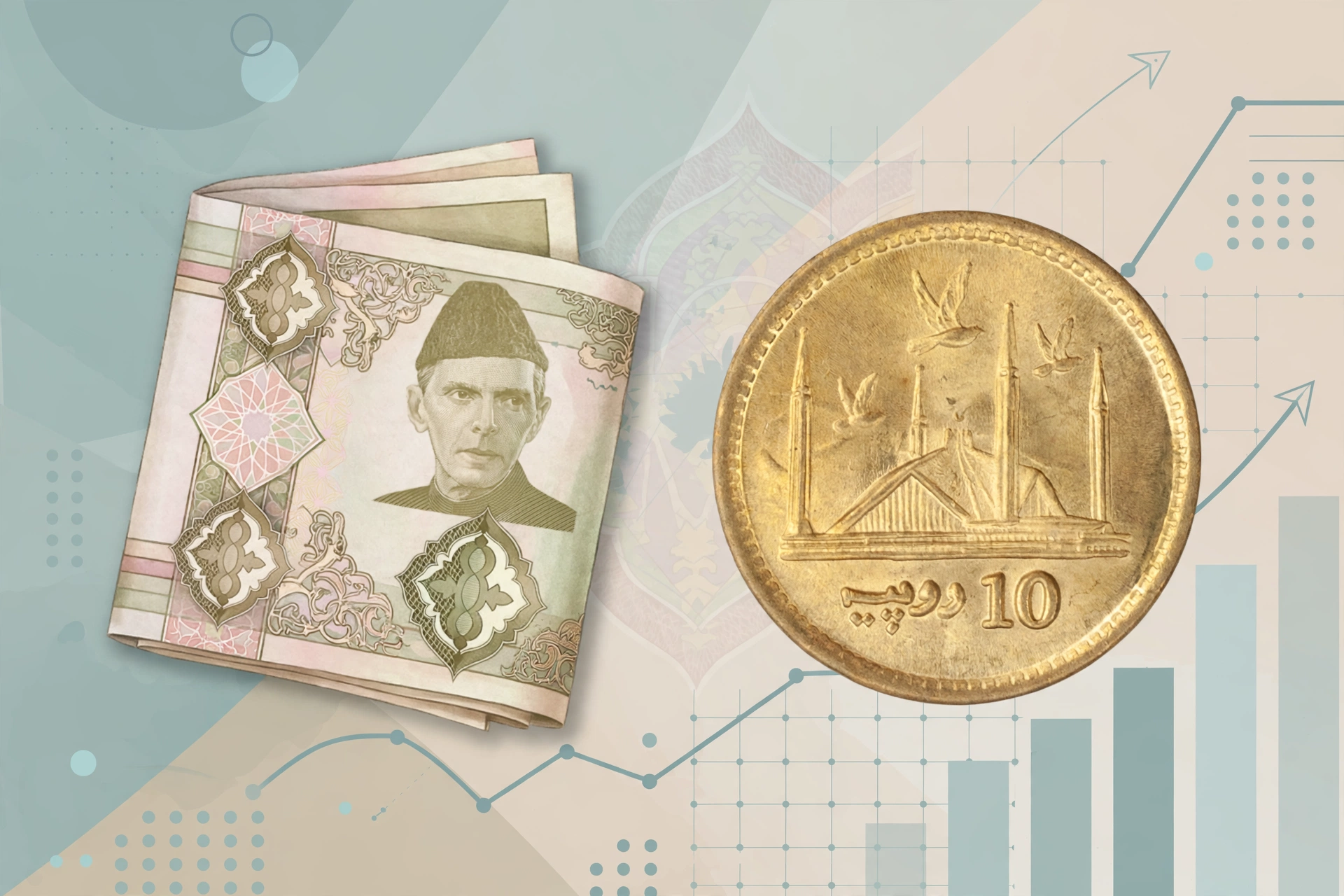
It is important to be clear about what changes today, and what does not. Nothing changes for a holder today. The Rs10 banknote in your pocket or wallet remains usable in the ordinary way, and no date has been set for the banknote to stop being legal tender. No exchange deadline has been announced either. That means there is no need to rush to a bank, no need to hand in notes by a set date, and no sudden change at shops or markets. Until a formal date and process are announced, the existing note continues as before, and the new coin will be a future addition rather than an overnight swap.
The reason for moving a low denomination note to a coin is familiar in many countries. Notes of small value wear out quickly because they are used so often, folded, kept in pockets and passed from person to person many times a day. Coins, by contrast, tend to last much longer in circulation, even though they cost more to make at the start. Over time, that longer life can reduce the need for frequent reprinting and replacement. That practical point is one of the reasons why central banks around the world often turn small notes into coins when the time is right.
The cabinet decision also covered a new series of currency notes, with stronger anti-counterfeiting features. Anti-counterfeiting features are the security details built into a note to make it hard to copy and easy to check. They can include special inks, watermarks, threads and other details that are difficult to reproduce without proper equipment. A new series gives the authorities a chance to refresh those features and to make checking easier for shopkeepers, bank staff and ordinary users. Stronger features do not remove the need for care, but they do raise the bar for anyone trying to pass off a fake note.
There is, however, a point of confusion that readers should know about, and it needs to be stated plainly. Two accounts of the cabinet meeting circulated, and they differed on one important detail. One account said the Rs10 note would be replaced by the coin, while another account said the note would be retained. That conflict means that the exact future status of the note, beyond the approval of the coin itself, is not yet settled in public reporting. Until an official clarification or a formal notification sets out the plan in full, readers should treat the replacement as approved in principle, while the precise end point for the note remains unconfirmed.
This is why the careful wording in this article matters. It would be misleading to tell readers that the note is about to stop working, or that they must exchange it by a certain day, when no such date or deadline has been announced. It would also be misleading to ignore the cabinet approval altogether. The accurate position, on the facts available, is that the cabinet has approved the coin and the new note designs, that the Finance Ministry recommended the move, and that the practical details of timing and exchange have not yet been announced. Anyone who hears a firm date from an unofficial source should check it against an official announcement before acting on it.
For shopkeepers and small traders, the practical questions will come later, once the coin is actually issued. They will want to know how coins will be supplied, how change will be handled, and whether tills and cash boxes need any adjustment. For bus conductors, street vendors and others who handle many small payments a day, a coin can be heavier to carry in bulk, but it can also be easier to count and harder to tear. Those day to day details will only become clear when the issuance plan is published, and they should not be guessed at now.
For households, the advice for now is simply to carry on as normal. Keep using Rs10 notes as before, accept them as before, and do not pay a premium to anyone who claims to offer an early exchange. If and when an official date is announced, it will normally come with a clear process, a reasonable window for exchange, and guidance from the central bank and commercial banks. Until then, the safest approach is to wait for that official word and to ignore rumours about sudden deadlines.
The wider currency update also deserves attention in its own right. A new series of notes is not just about appearance. It is a chance to update security, to improve durability, and to reflect current standards in note design. For a country where cash still plays a large role in daily life, especially in smaller transactions, the quality and trustworthiness of notes and coins matter a great deal. People need to feel confident that the money they receive is genuine, and businesses need a system that works smoothly at the till.
In the days ahead, the key updates to watch for are an official statement clarifying whether the Rs10 note will be retained or withdrawn, a date for the coin to enter circulation, and details of any exchange process. Until those details arrive, this article will remain the safe summary: the cabinet has approved the coin and the new designs, nothing changes for a holder today, and no date or deadline has been announced.
Also Read: Saudi Arabia Rolls Over $3 Billion Financing for Pakistan
Also Read: Karachi NIC Graduates 25 Startups From Its Cohort 14 Batch