SSGC winter gas schedule was announced on Wednesday 4 November 2026, and it gives homes in Sindh and Balochistan piped gas for only eight hours a day this winter. The Sui Southern Gas Company said domestic consumers will get gas in three windows built around meal times, and the schedule took effect at once. For millions of homes in Karachi, Hyderabad, Sukkur, Quetta and other towns on the southern network, the announcement means cooking and heating must now be planned around fixed hours.
The gas supply timings are simple to remember, and they cover the three main meals of the day. Gas will be available from 6.30am to 9am for breakfast, from 12 noon to 2.30pm for lunch, and from 6pm to 9pm for dinner. The morning window lasts two and a half hours, the midday window lasts two and a half hours, and the evening window lasts three hours. Added together, the three windows come to eight hours of scheduled supply in every 24 hour period.
Domestic consumers in Sindh and Balochistan are the people covered by the new timetable. The Sui Southern Gas Company serves those two provinces, and its announcement was posted on its website and shared on its official social media accounts. An SSGC spokesperson told Dawn that the schedule covers supply to domestic consumers in Sindh and Balochistan and comes into effect immediately. The company said it was managing gas load effectively this winter and ensuring a steady gas supply as per the directives of the federal government.
The schedule does not apply to the whole country. Homes in Punjab, Khyber Pakhtunkhwa and Islamabad fall under Sui Northern Gas Pipelines Limited, which is a separate company with its own network. Reports on 5 November said Sui Northern had also introduced the same three meal time windows for its own domestic consumers, so homes across the country are now on a similar pattern. Readers should check which company serves their area, because the name on the bill tells them which schedule applies to them.
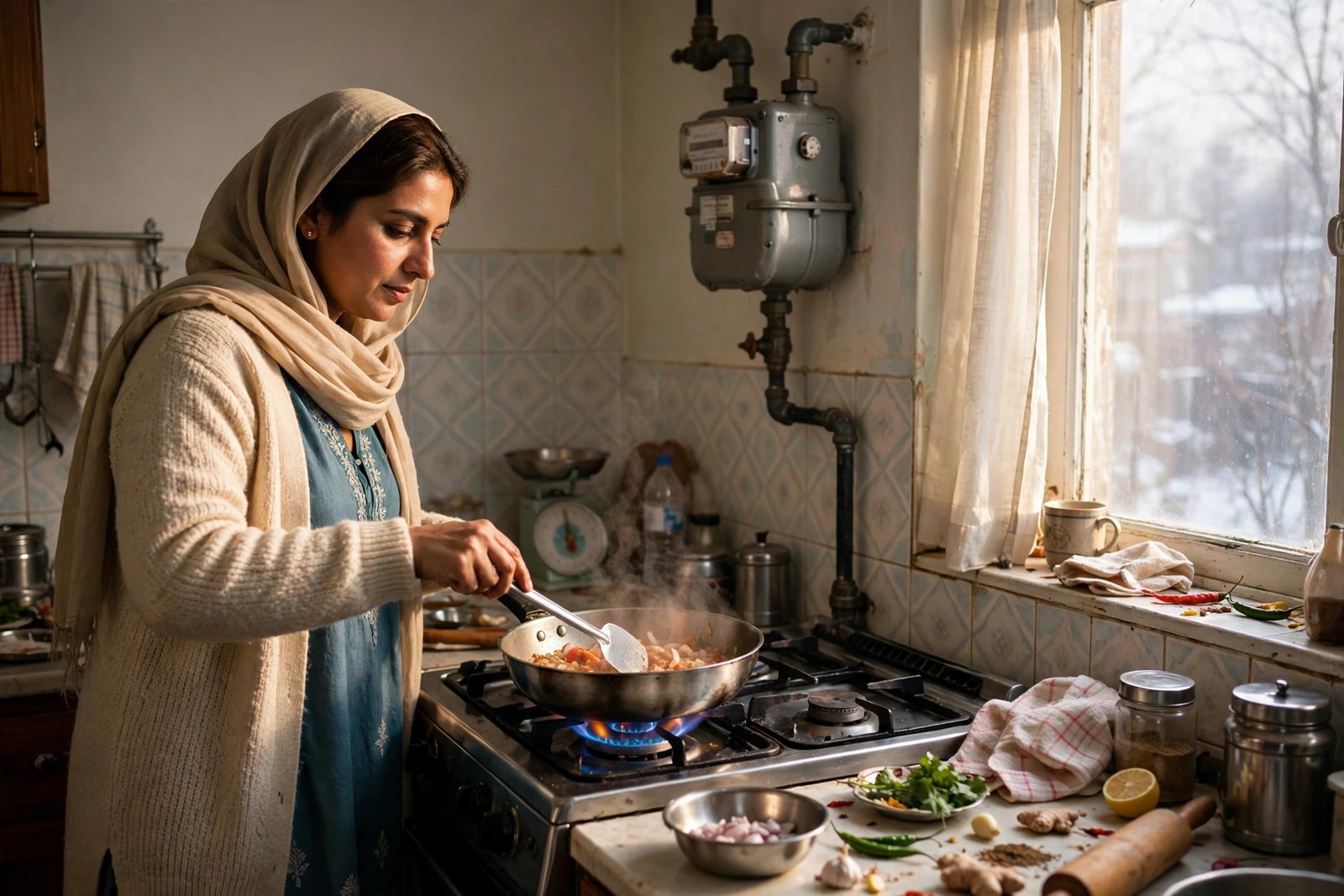
Meal times were chosen because cooking is the main use of piped gas in most homes. A family that cooks breakfast, lunch and dinner at the usual hours should have gas when it needs it most, at least in theory. The problem is that the windows describe when gas is scheduled to flow, and they do not guarantee full pressure at every household meter throughout each window. A home at the end of a line, or in an area with low pressure, may still find the flame weak even inside a scheduled window.
For the past several years, the utility has not been providing round the clock supply to domestic consumers during winter, citing shortages. Winter demand rises because people use gas for heating as well as cooking, while supply stays limited. The new schedule makes the limit explicit, with fixed hours that families can plan around, instead of supply that comes and goes without warning. That clarity helps, but it does not change the basic fact that gas will be off for 16 hours in every day.
Households will need to change daily routines to fit the new hours. Food that needs long cooking should be started inside a window, and water for washing and bathing should be heated while gas is on. Families that rely on gas heaters will need blankets and warm clothes for the hours when the gas is off, especially at night when temperatures fall. Schools and offices are not covered by the domestic schedule, but their staff and students will feel the same change at home.
The announcement came after reports of a severe gas shortage in several parts of Karachi on Tuesday. That shortage showed how quickly supply can fall short when demand rises, and it added pressure on the company to publish a clear timetable. By fixing the hours in advance, the company gives households a chance to plan, and it also gives itself a clear standard to be judged against. If gas does not arrive inside the promised windows, households will know at once that the schedule has not been kept.
Neither gas company has published an end date for the three window schedule. That is the biggest unknown for households, because no one can say when normal supply will return. Winter in Pakistan usually runs for several months, and demand stays high through the coldest weeks. The schedule could therefore stay in place for a long time, and families should plan as if the three windows are the normal pattern for this winter, rather than a short interruption.
In the coming weeks, the items to watch will be whether gas arrives on time inside each window, whether pressure holds up during the evening meal when demand is highest, and whether the company extends the same hours to commercial users or changes them as winter deepens. For now, the SSGC winter gas schedule is the reality for homes in Sindh and Balochistan, with eight hours of gas a day, in three meal time windows, and 16 hours without scheduled supply.

Also Read: Pakistan Urged to Diversify Energy and Boost Renewables
Next: ECP Sets February 7 for First Phase of Punjab LG Polls