
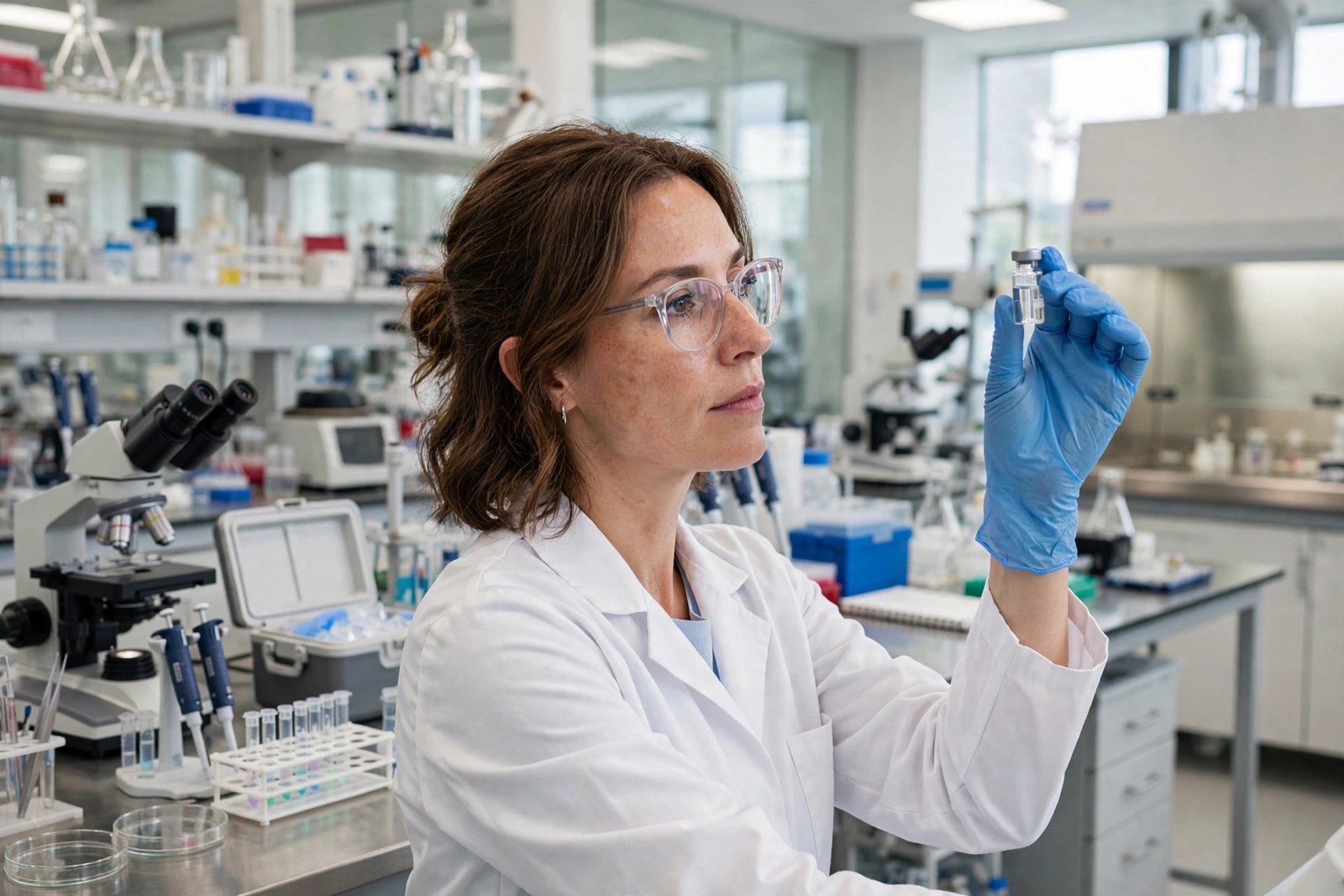
A vaccine made from a patient’s own tumour has cut the risk of melanoma returning by 42% in a large international trial. Researchers are calling it a landmark moment in cancer treatment.
The phase 3 trial, called INTerpath-001, involved 1,137 patients whose melanoma had been removed by surgery but who were at very high risk of it coming back. Their cancers ranged from stage IIB to stage IV.
Patients who received the vaccine, named intismeran, together with the immunotherapy drug pembrolizumab did much better than those who received pembrolizumab on its own. Pembrolizumab is better known by its brand name, Keytruda.
How the vaccine works
This is not a normal vaccine. Ordinary vaccines are given to healthy people to stop them catching a disease.
Intismeran is a treatment for people who have already had cancer. Doctors take the patient’s own tumour and build a vaccine that matches its unique fingerprint.
Each vaccine can carry up to 34 neoantigens. These are proteins found only on that patient’s cancer cells, so the vaccine teaches the immune system exactly what to hunt for after surgery, when small numbers of cancer cells may still be hiding in the body.
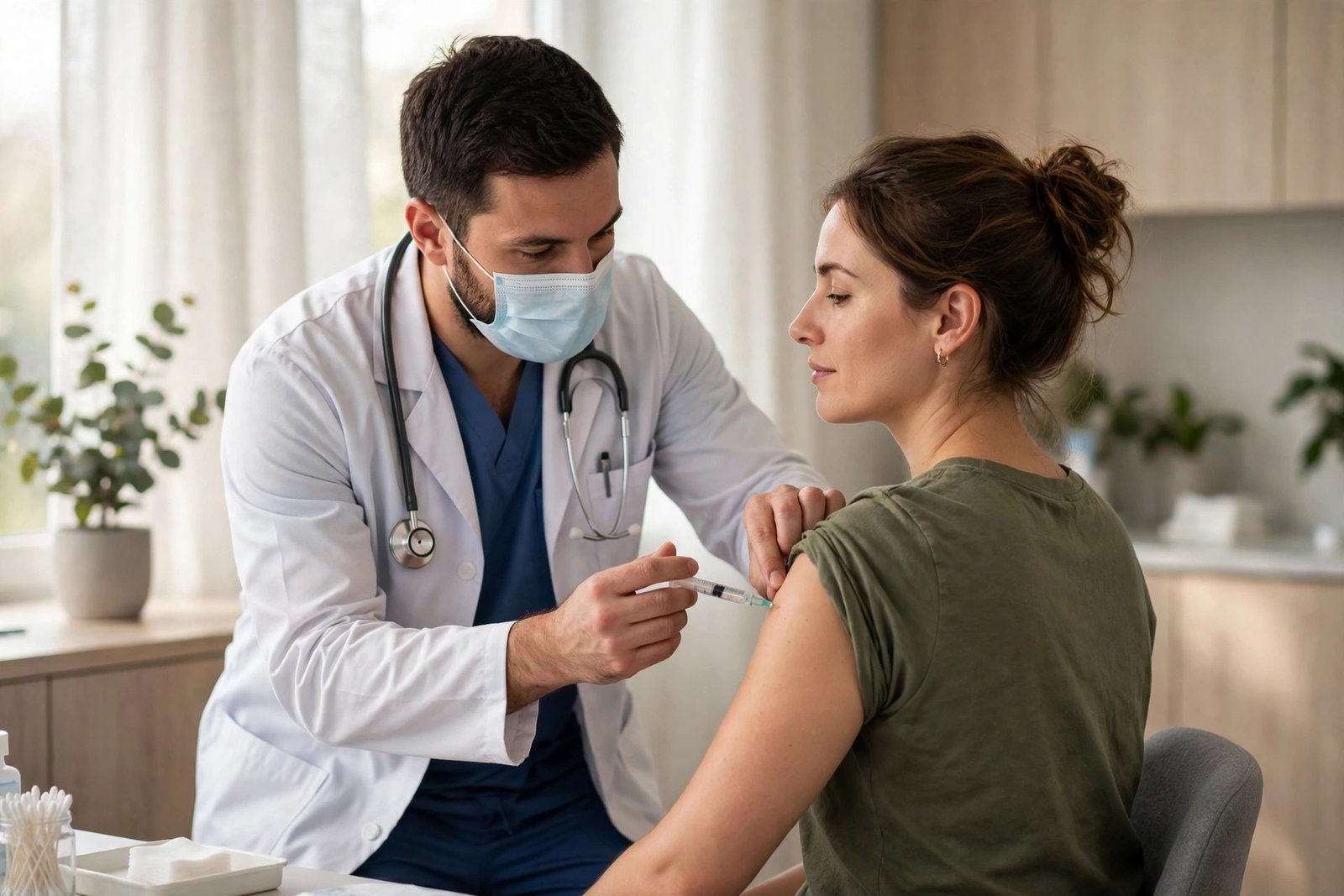
The vaccine is made by Moderna and Merck using mRNA technology, the same approach used in some Covid-19 vaccines. It is given in nine doses alongside the immunotherapy.
What the trial found
Adding the vaccine to pembrolizumab reduced the risk of the melanoma returning, or of death, by 42% compared with pembrolizumab alone. The risk of the cancer spreading to distant parts of the body, or of death, fell by 38%.
The benefit also grew over time. For patients who stayed cancer free beyond the first six months of treatment, the risk of recurrence or death was 58% lower than with immunotherapy alone.
After two years, about 82% of patients on the combined treatment were alive with no sign of their cancer returning. The figure for immunotherapy alone was about 70%.
The results held across different groups of patients. The vaccine did not add to the side effects of pembrolizumab, and its own side effects were mild and short lived, including pain at the injection site, headaches and chills in some patients.
A strange day for the companies
The full results were presented at the ESMO cancer congress in Madrid by Professor Georgina Long of Melanoma Institute Australia. They came out earlier than planned, after the data leaked online on October 22.
Investors reacted in an odd way. Moderna’s shares fell by more than 25% in a single day, wiping about $24 billion off the company’s value, even though the trial had succeeded.
Analysts described the fall as a sell-the-news reaction, after a long rally that had already lifted the stock by more than 500% this year. Merck’s shares slipped by about 1%.
Why it matters
Melanoma is the most dangerous form of skin cancer, and even after surgery, high-risk patients live with the fear that it will come back. Once melanoma spreads, it becomes much harder to treat.
Professor Long said the trial is the first phase 3 study to show that a treatment built from the fingerprint of a patient’s own tumour can cut the risk of cancer returning or killing them. She called it a foundational shift in how cancer can be treated, not just a step forward for melanoma.
If regulators agree, the same idea could be tried in other cancers. The vaccine is still experimental and has not yet been approved for general use, so more work lies ahead. But for patients who have run out of options beyond surgery and immunotherapy, these numbers offer real hope.