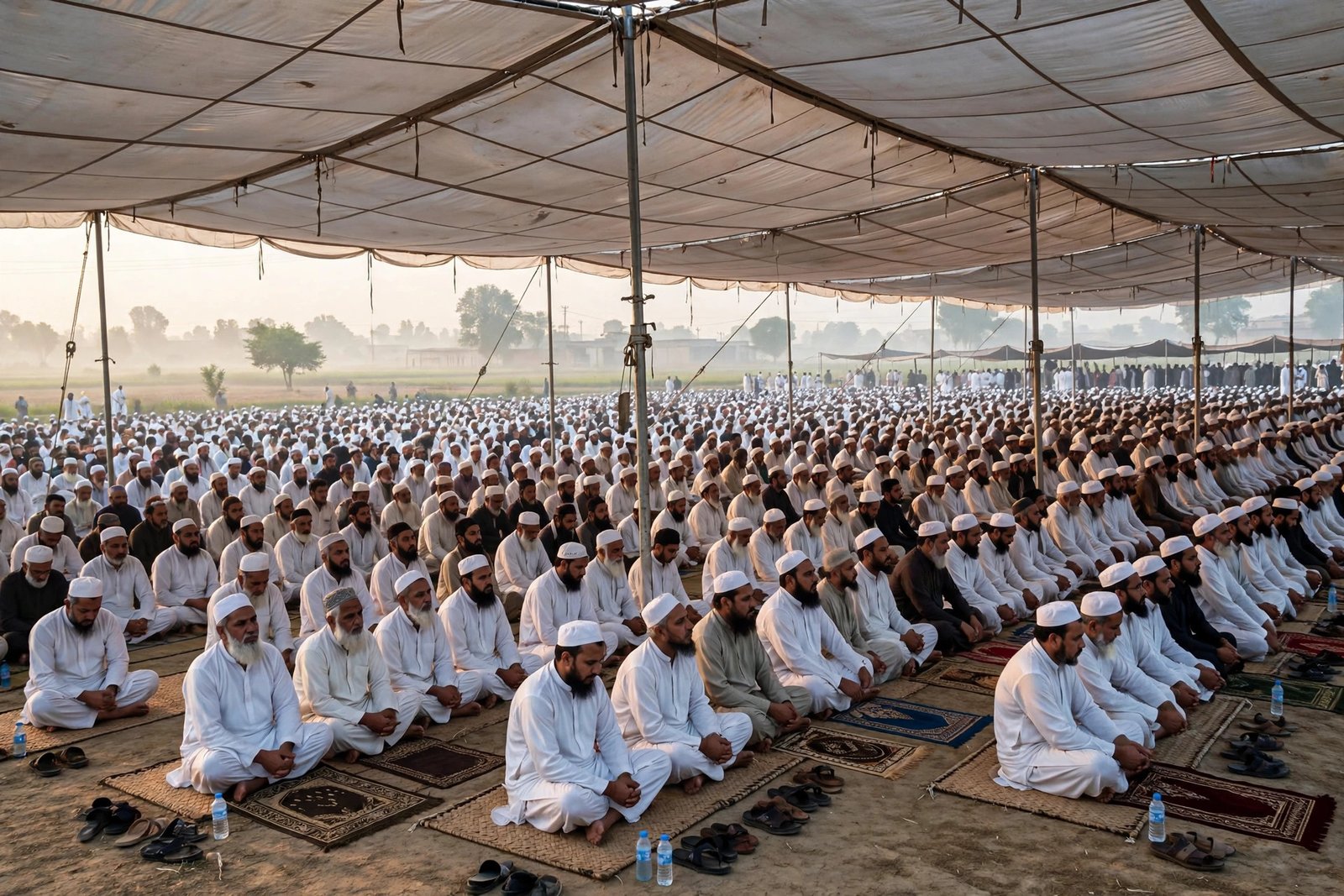
Pakistan seeks Turkiye cooperation on foot-and-mouth disease control and vaccine production, in a move that could strengthen livestock health and support farmers across the country. The discussion took place in a meeting between Minister Rana Tanveer Hussain and Turkish Ambassador Dr Irfan Neziroglu, and it covered a wide range of topics linked to agriculture and livestock. A Turkish expert delegation is expected to visit Pakistan soon, which suggests that the talks are intended to move from discussion to practical work in the near future.
Foot-and-mouth disease is a serious animal disease that affects cloven hoofed animals such as cattle, buffalo, sheep and goats. It spreads quickly, it can cause painful sores and lameness, and it can reduce milk production and weight gain. For a farming family, an outbreak can mean lost income, extra veterinary costs and a long recovery period for animals. For the wider economy, repeated outbreaks can affect trade, because importing countries are careful about animal disease status when they decide whether to buy meat and dairy products. Control of the disease is therefore both a farming issue and a trade issue.
Vaccine production is central to any serious control plan. Vaccination helps to protect animals before they become sick, and it can reduce the spread of disease when outbreaks occur. Indigenous vaccine production capacity is especially important, because it means that a country can produce the vaccines it needs at home, rather than relying entirely on imports that may be costly, slow to arrive, or unsuitable for local virus types. Building that capacity requires laboratories, trained staff, quality control and a reliable supply chain, and it is a long term investment rather than a quick fix.
The meeting between Minister Rana Tanveer Hussain and Ambassador Dr Irfan Neziroglu covered agriculture, livestock, vaccine production, human resource development and value-added food exports. That broad agenda shows that foot-and-mouth disease control is not being treated in isolation. Human resource development, for example, is about training veterinarians, laboratory staff and field workers who can carry out vaccination, surveillance and disease reporting. Without trained people on the ground, even the best vaccine plan will struggle to reach every farm.
Value-added food exports are another important part of the picture. Value-added products are foods that have been processed, packaged or prepared in a way that adds value beyond the raw product, such as dairy products, processed meat or packaged foods. For Pakistan, building a stronger value-added food sector depends on healthy livestock, reliable quality standards and trust from buyers abroad. If animal disease is better controlled, and if vaccine production is stronger, then exporters are in a better position to meet the standards that international buyers expect.
Turkiye has experience in animal health, vaccine work and agricultural development, and cooperation with Turkish experts could bring practical benefits. An expert delegation visit can help both sides to assess needs on the ground, to look at laboratories and field conditions, and to agree on specific areas where joint work would be most useful. Such visits are often the first step toward training programmes, technical advice or joint projects, rather than an end in themselves. The value lies in what follows the visit, in the form of concrete plans and sustained cooperation.
For farmers in Pakistan, the most important question is how this cooperation will reach their villages and farms. Disease control works best when vaccination campaigns are well organised, when farmers know when and where to bring their animals, and when disease reporting is quick and trusted. Farmers also need clear information in simple language about symptoms, about keeping sick animals separate, and about working with local veterinary staff. National cooperation with another country is useful, but its success will ultimately be judged by whether animals on small farms are healthier and whether outbreaks become less frequent.
Livestock plays a large role in rural life in Pakistan, providing milk, meat, draught power in some areas, and income for millions of households. Women also play a major role in caring for livestock in many rural families, and improvements in animal health can directly affect household income and food security. When animals stay healthy, milk yields are steadier, calves grow better, and families face fewer sudden losses. Those everyday benefits are often more important to farming households than trade figures, even though trade also matters at national level.
Disease control also requires patience and consistency. Foot-and-mouth disease cannot be removed by a single vaccination round or a single visit. It requires repeated vaccination, careful monitoring, movement controls during outbreaks, and cooperation between farmers, veterinarians and officials over several years. Countries that have made progress against the disease have usually done so through sustained programmes, with clear targets and regular review. The cooperation now being discussed between Pakistan and Turkiye should be seen in that longer term context.
As the Turkish expert delegation prepares to visit, the next steps to watch will be the specific areas of cooperation agreed after the visit, any training or laboratory support that follows, and progress toward stronger indigenous vaccine production capacity. Those steps will show whether the meeting between the minister and the ambassador leads to practical change on farms. For now, the discussion marks a positive step toward stronger livestock health, better vaccine capacity, and a more confident food export sector for Pakistan.
Also Read: NUST Spin-Off ChipXPRT Secures PKR 50 Million Seed Funding
Also Read: World Culture Festival Karachi Day 7 Brings Global Artists