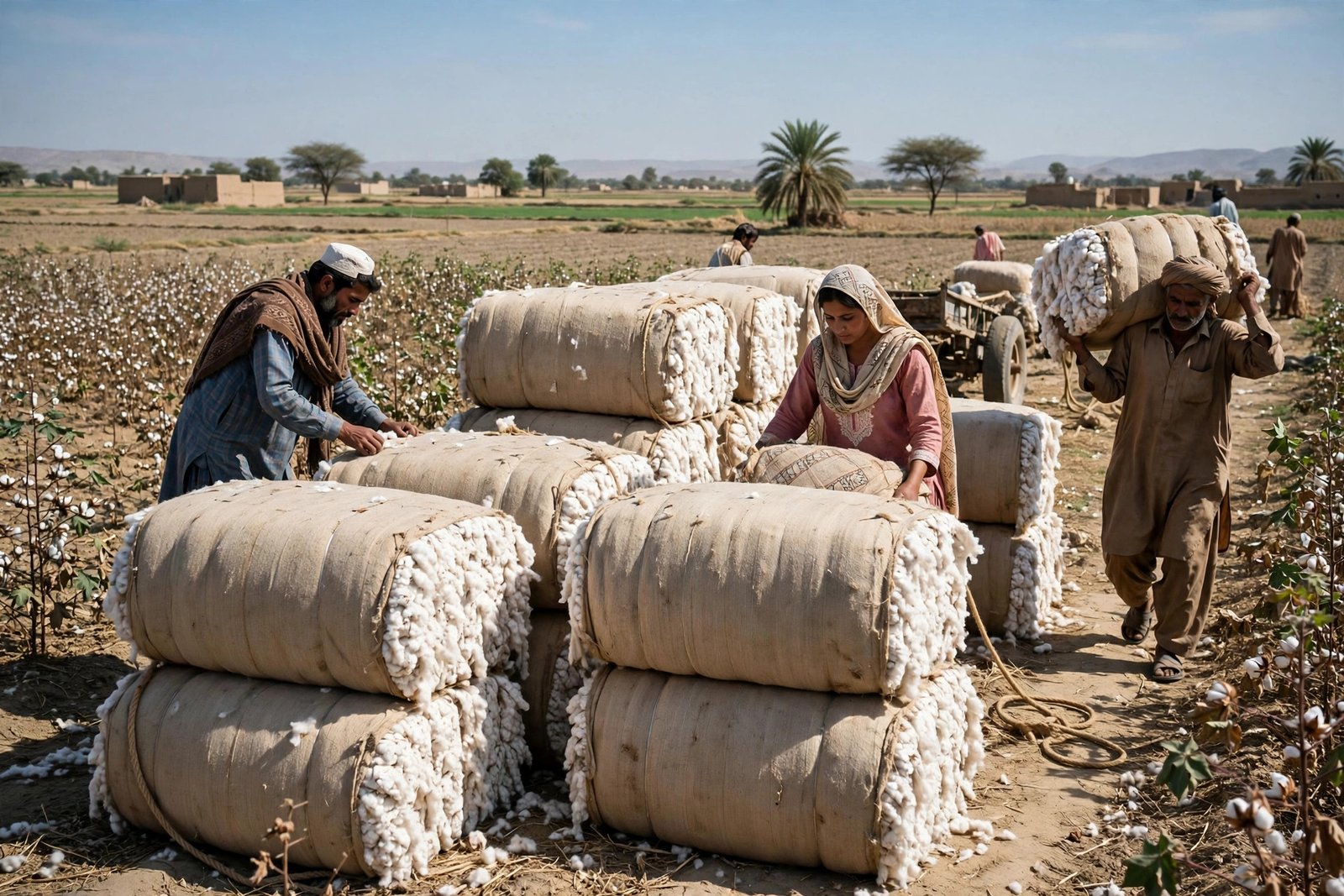
Pakistan cotton arrivals 4.74 million bales were recorded by 31 October 2026, up 6.88 percent on the same period last year. According to the latest data released by the Pakistan Cotton Ginners Association, ginning factories received 4.742 million bales, compared with 4.437 million bales during the corresponding period last year, an increase of 0.305 million bales. For a crop that has fallen for years, any rise in arrivals is welcome news, even if the total is still far below the target.
Cotton ginning factories are where raw cotton, known as phutti, is cleaned and pressed into bales. The arrival figure counts the bales that have reached those factories, so it is a measure of how much cotton has actually been picked and delivered, not just how much was planted. When arrivals rise, it means more cotton is coming off the fields, and textile mills have more raw material to buy. When arrivals fall, mills must import more cotton, which costs foreign exchange.
Sindh cotton led the recovery, with the Sindh Zone, including Balochistan, contributing 2.743 million bales against 2.528 million bales last year, an increase of 8.52 percent. Punjab, by contrast, contributed 1.998 million bales, and central Punjab recorded a sharp decline. The recovery was therefore concentrated in the southern growing regions, while the northern regions fell behind. That split matters, because Punjab is usually the largest cotton province, and a fall there holds back the national total.
Sanghar remained the leading cotton producing district in terms of arrivals, contributing 1.21 million bales, followed by Bahawalnagar with 526,442 bales. Sanghar is in Sindh, and its large share shows how much of the national crop now comes from that one district. Bahawalnagar is in Punjab, and its figure shows that some districts in Punjab are still producing well, even as the province as a whole fell. District figures help buyers to know where to find cotton, and they help the government to know where support is needed.
Textile mills had purchased about 3.996 million bales, representing 84.27 percent of total arrivals, while exporters and traders purchased 0.098 million bales. Total sales stood at 4.094 million bales, leaving about 0.648 million bales in unsold stocks with ginners. The unsold inventory included 0.338 million pressed bales and 0.309 million bales of phutti. Unsold stocks were lower than the 0.693 million bales recorded during the corresponding period last year, a decline of about 6.6 percent, despite higher arrivals. That fall in unsold stocks showed stronger cotton purchases by textile mills during the current season.
The latest fortnightly figures showed that cotton arrivals were increasing at a slower pace than the overall seasonal growth rate. Between 16 October and 31 October, ginning factories received 0.661 million bales, compared with about 0.641 million bales during the corresponding fortnight last year, an increase of 0.019 million bales, or 3.08 percent. That slower fortnightly rise suggests that the early season surge is fading, and that the final total may not be much higher than last year.
Pakistan Cotton Ginners Association data also carries a warning about quality. Cotton Ginners Forum Chairman Ihsanul Haq said Pakistan had failed for the second consecutive year to record arrivals of one million bales in any fortnight during the peak September to October period. He said unusually high temperatures across major cotton producing regions from July to early November had adversely affected seed germination and fibre quality, reducing staple length and strength. The deterioration in fibre quality had also increased textile mills reliance on imported high quality cotton, he added.
Despite the challenges, the current cotton crop could exceed six million bales, even though the cultivated area was smaller than last year. That estimate is based on the arrivals so far and the crop still to come. It is still far below the government target of 9.64 million bales for the season, and far below the 13.96 million bales produced in 2014-15. The Federal Committee on Agriculture has estimated this year output at about 6.71 million bales, down by 30.4 percent from the target, and the country may need to import 4 to 5 million bales to meet the needs of its textile industry.
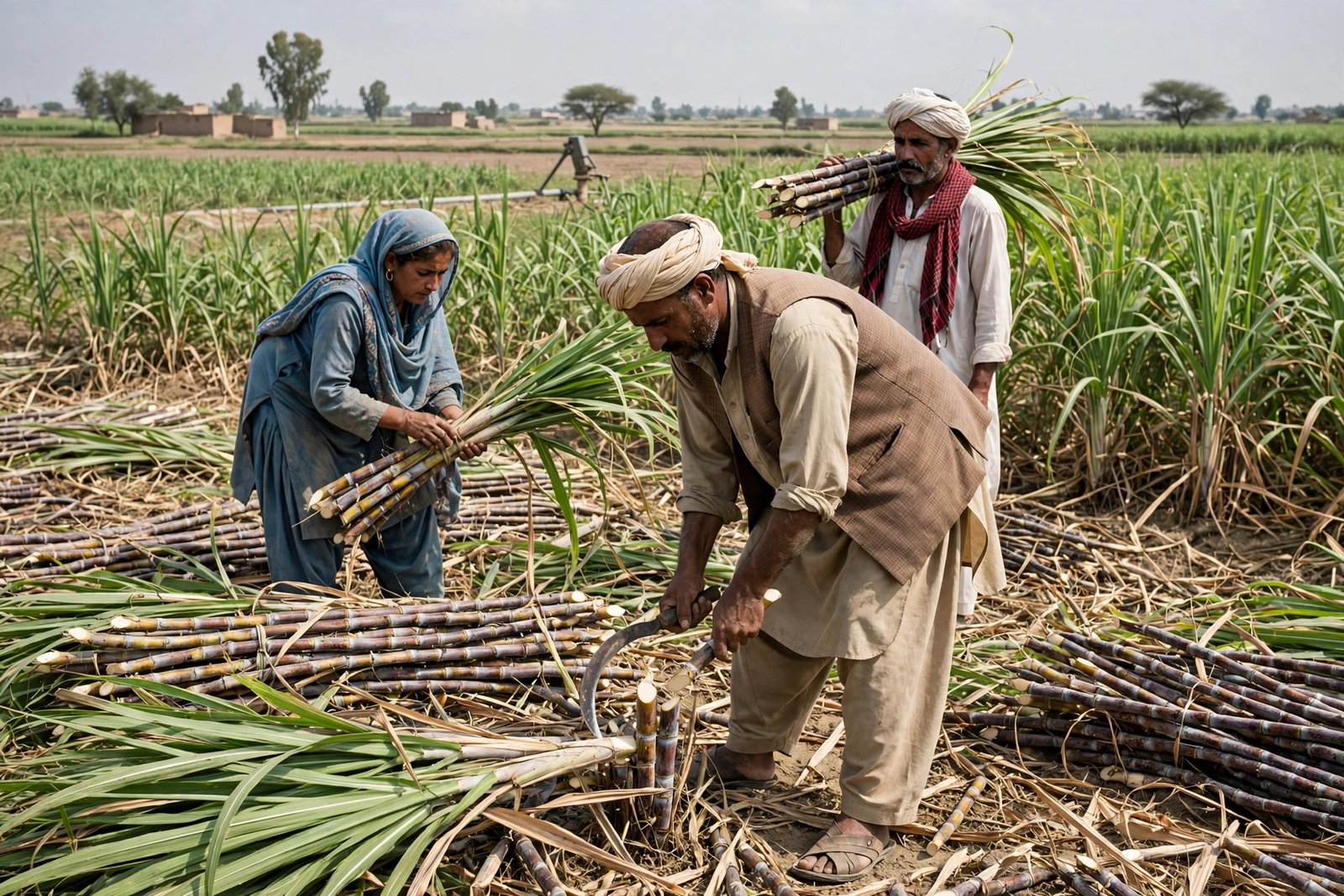
Punjab cotton is the biggest concern, because Punjab is expected to produce 3.69 million bales, while Sindh is set to produce 2.53 million bales, Khyber Pakhtunkhwa 410,000 bales and Balochistan 491,700 bales, according to official data. Cotton acreage fell 18.6 percent to 1.76 million hectares from the 2.16 million hectares target this Kharif season, while sugarcane acreage rose 18.5 percent. Farmers are switching to sugarcane because it pays better, and that switch is one reason cotton area keeps falling.
In the coming weeks, the items to watch will be whether arrivals keep rising into November, whether the final crop reaches six million bales, and whether textile mills keep buying at the current pace. For now, the Pakistan cotton arrivals 4.74 million bales by 31 October show a small recovery, led by Sindh, but the crop is still far below target and far below the needs of the textile industry.
Also Read:
Rizwan Hits Unbeaten 200 in Quaid-e-Azam Trophy Match
Next: Pakistan Polio Case Takes 2026 Tally to Nine in Khyber