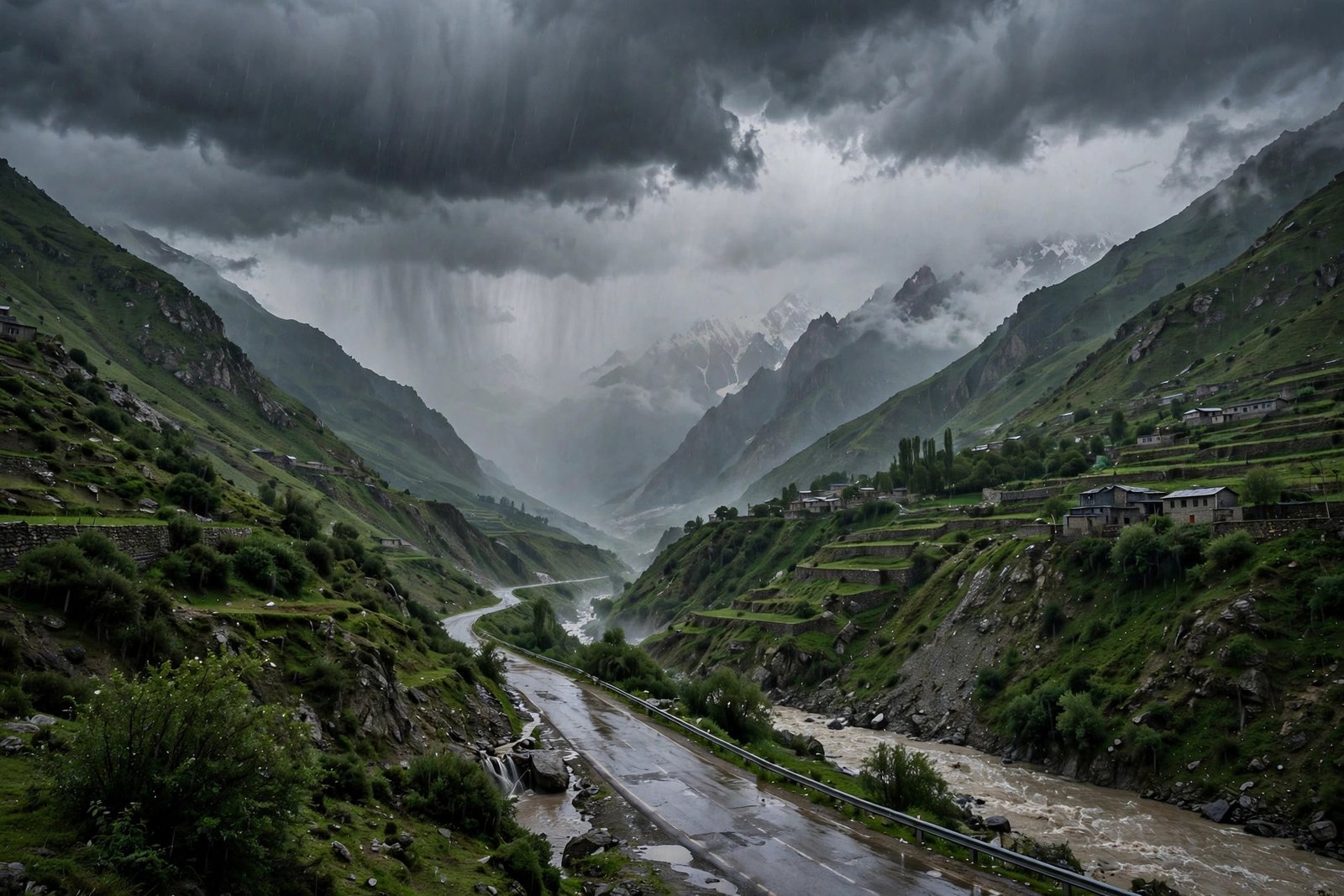
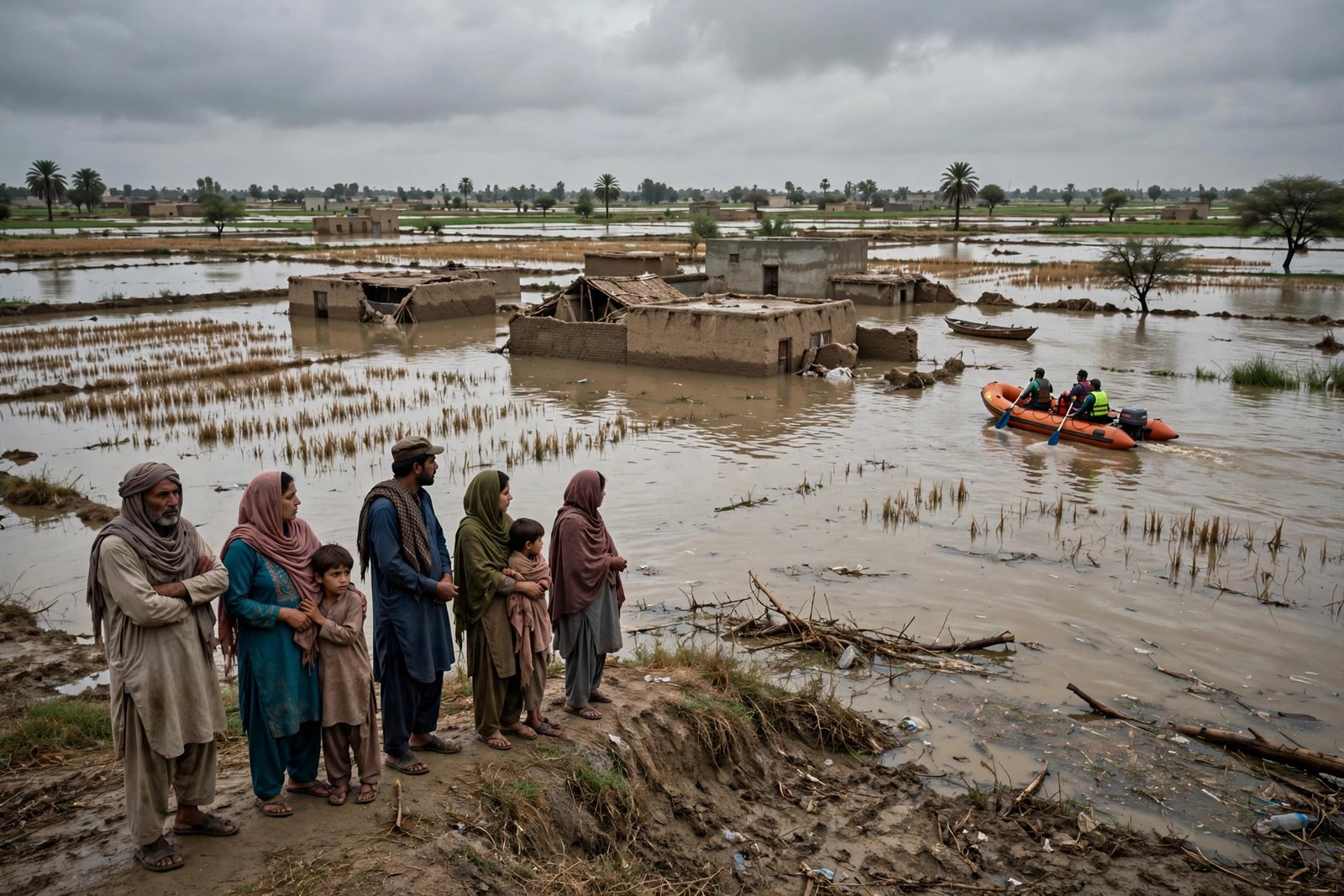
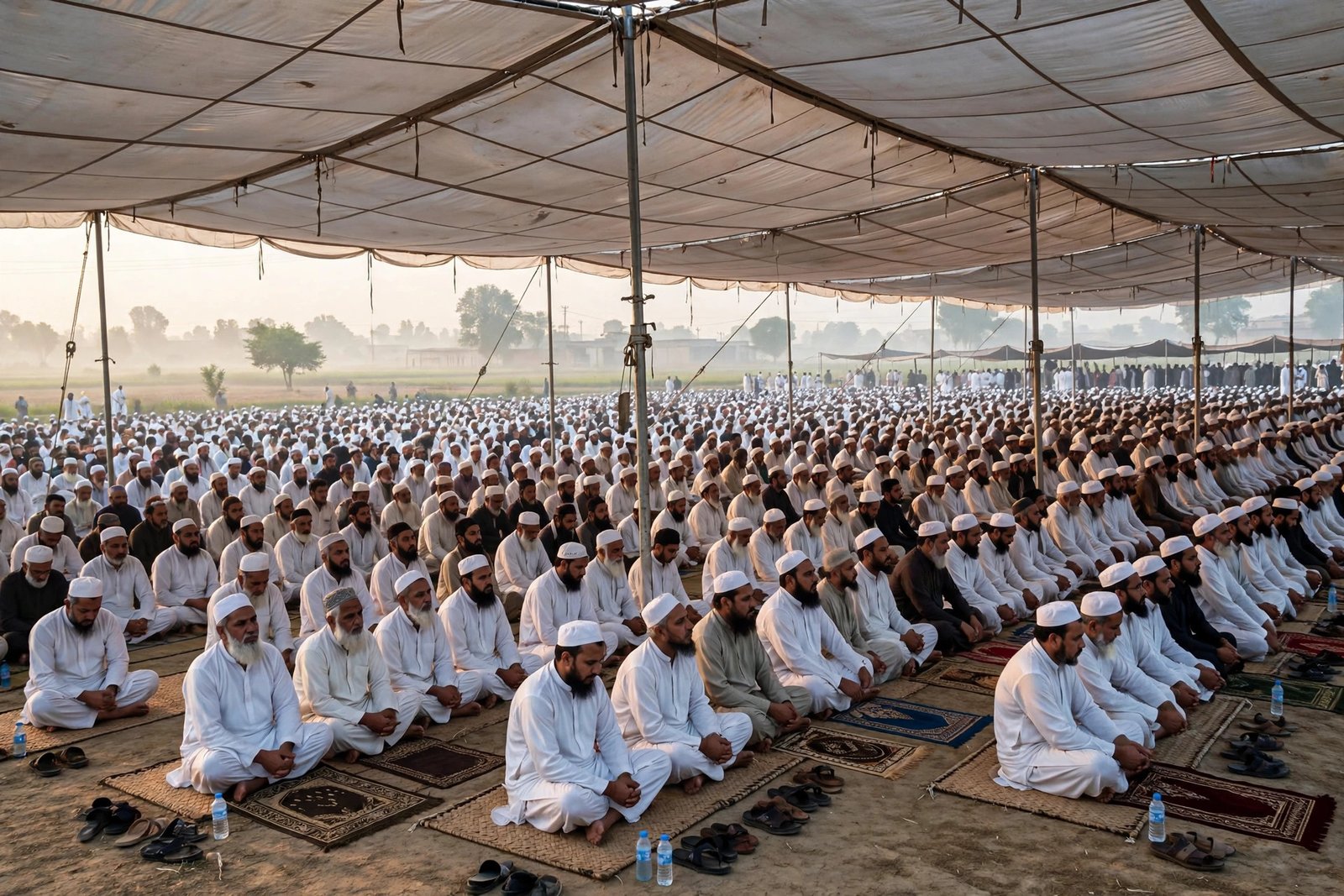
SWAT: Swat earthquake 4.6 magnitude Hindu Kush shook Mingora and the surrounding areas on Thursday, sending frightened residents rushing out of their homes and buildings. The earthquake measured 4.6 on the Richter scale, and it was felt across Swat and nearby districts in the afternoon. People came out into the open while reciting prayers and the Kalima, and they waited outside until the shaking stopped. There were no immediate reports of casualties or damage to property.
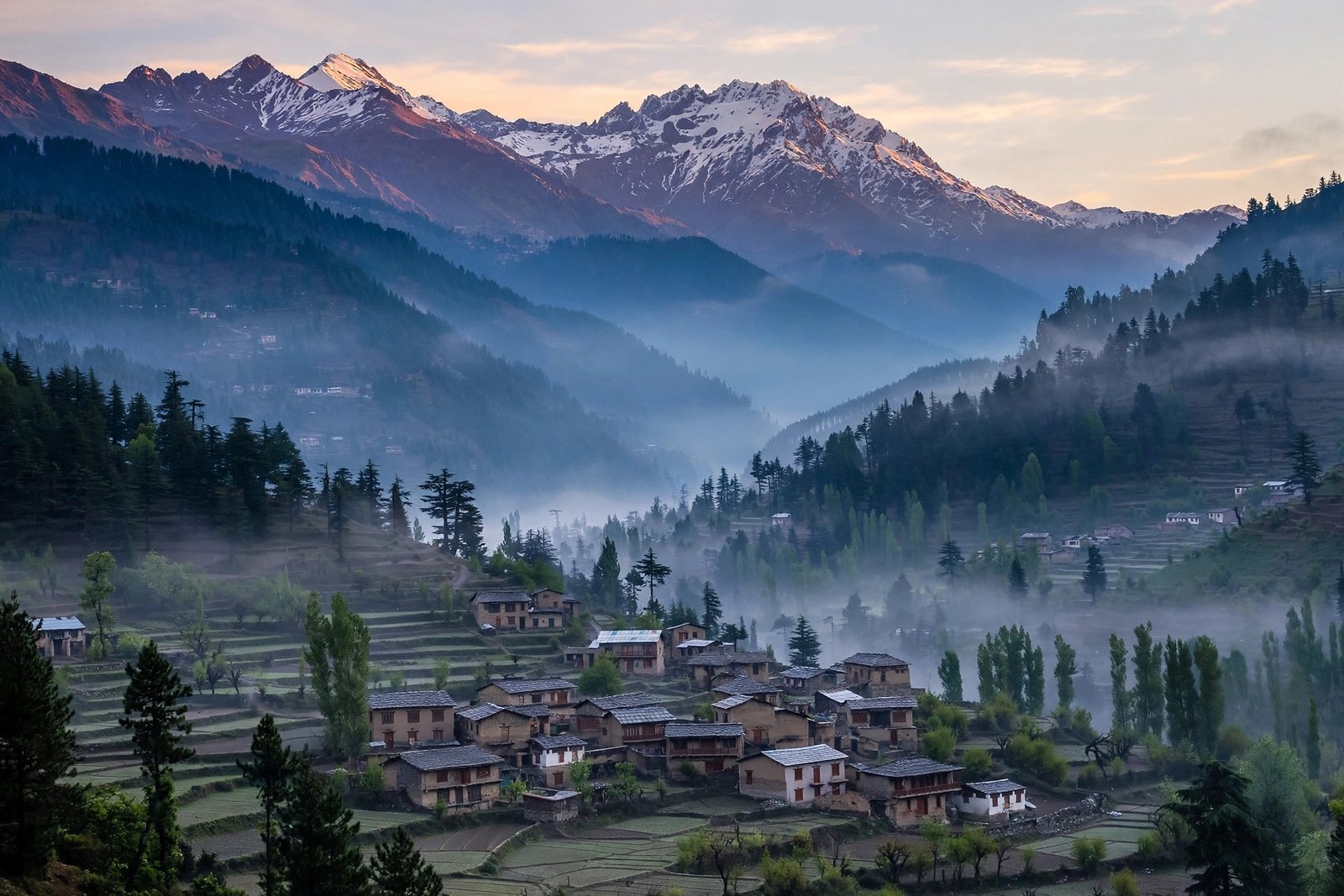
The details come from the official monitors, and the Swat Mingora earthquake November 5 2026 event was recorded by the Seismological Centre in Islamabad. According to the centre, the earthquake occurred at a depth of 182 kilometres, with its epicentre located in the Hindu Kush mountain range. The Pakistan Meteorological Department Seismic Monitoring Centre keeps watch on tremors around the clock, and it is the body that records the magnitude, depth and epicentre of every quake felt in the country. The deep epicentre is one reason the shaking was felt over a wide area.
This was not the only shaking this week, and the northern Pakistan earthquake tremors November 2026 list shows a busy few days for the monitors. On Sunday, 1 November, a 4.4 magnitude earthquake jolted Batkhela and Malakand, with a focal depth of 105 kilometres and the same Hindu Kush epicentre. On Monday, 2 November, a light 3.9 magnitude quake struck near Muridke in Punjab at a shallow depth of 9 kilometres, and it was not felt by residents. On the same day, light tremors were felt in Islamkot and nearby areas of Tharparkar, and on Friday, 6 November, a 3.2 magnitude quake was recorded east of Gujranwala.
The reason this region shakes so often is written in the rocks, and the Hindu Kush earthquake prone region Pakistan sits on one of the most active fault zones on earth. The Indian tectonic plate is pushing slowly into the Eurasian plate, and the collision builds up stress deep under the Hindu Kush mountains. When that stress is released, the ground shakes, and because many Hindu Kush quakes start very deep underground, their tremors can be felt across whole provinces. Northern Pakistan, including Swat, Malakand, Dir and Chitral, sits close to this restless zone.
The year has already seen several strong shakes, and the 2026 record shows that the ground under the north rarely stays quiet for long. A 5.6 magnitude quake was recorded in February at a depth of 114 kilometres, and a 5.9 magnitude earthquake jolted major northern areas in late June. The monitors at the Pakistan Meteorological Department track every event through the National Seismic Monitoring Centre, which records the time, place, depth and strength of each tremor. The centre data helps the government and the public understand which areas shake most and how often.
Safety experts say the right response to a quake is simple, and it starts with staying calm and protecting your head. When the ground shakes, drop to the floor, take cover under a strong table, and hold on until the shaking stops. If you are outside, move to open ground away from buildings, walls and power lines, and if you are driving, pull over and stay inside the car. Never use a lift during an earthquake, and after the shaking stops, check for gas leaks and damaged wiring before you switch anything back on. A small amount of care in those first seconds can save a life.
The depth of a quake matters as much as its size, and the earthquake depth 182 kilometres Hindu Kush figure explains why this one caused alarm but no damage. Deep quakes spread their energy over a wide area, so more people feel them, but the shaking at the surface is gentler than a shallow quake of the same size. A shallow quake, like the 3.9 magnitude event near Muridke at only 9 kilometres deep, can shake the ground hard right above it, even though its magnitude is smaller. That is why the 4.6 magnitude Swat quake, deep under the Hindu Kush, rattled windows and nerves but broke nothing.
One online report gave a different picture, and readers should be careful about which numbers they trust. A report published on 7 November described a 5.5 magnitude quake on a Tuesday afternoon, with an epicentre in the Hindu Kush near the Tajikistan border at a depth of 144 kilometres, felt in Malakand, Swat and Upper and Lower Dir. That account does not match the figures from the Seismological Centre for the 5 November quake, and it may describe a different event or carry an error. The official figures from the Pakistan Meteorological Department are the ones to follow, and this article uses them.
Readers should note two points of care in this story. First, the magnitudes differ between reports for the same events, with the 1 November Malakand quake given as 4.4 in most reports and the 5 November Swat quake given as 4.6 by the official monitors, so small differences are normal between sources. Second, no loss of life or property has been reported from any of this week tremors, and that is good news, but it is not a promise for the next one, so families in the north should keep the safety steps in mind. The ground will shake again in the Hindu Kush, and being ready is the best protection.
Also Read: Pakistan Faces Wetter November as Heat Lingers, PMD Says
Previous: PTA Serves Notices on Telcos Over Poor Internet in Pakistan
Next: LAAM Fashion Week Wraps Up With 43 Shows in Lahore