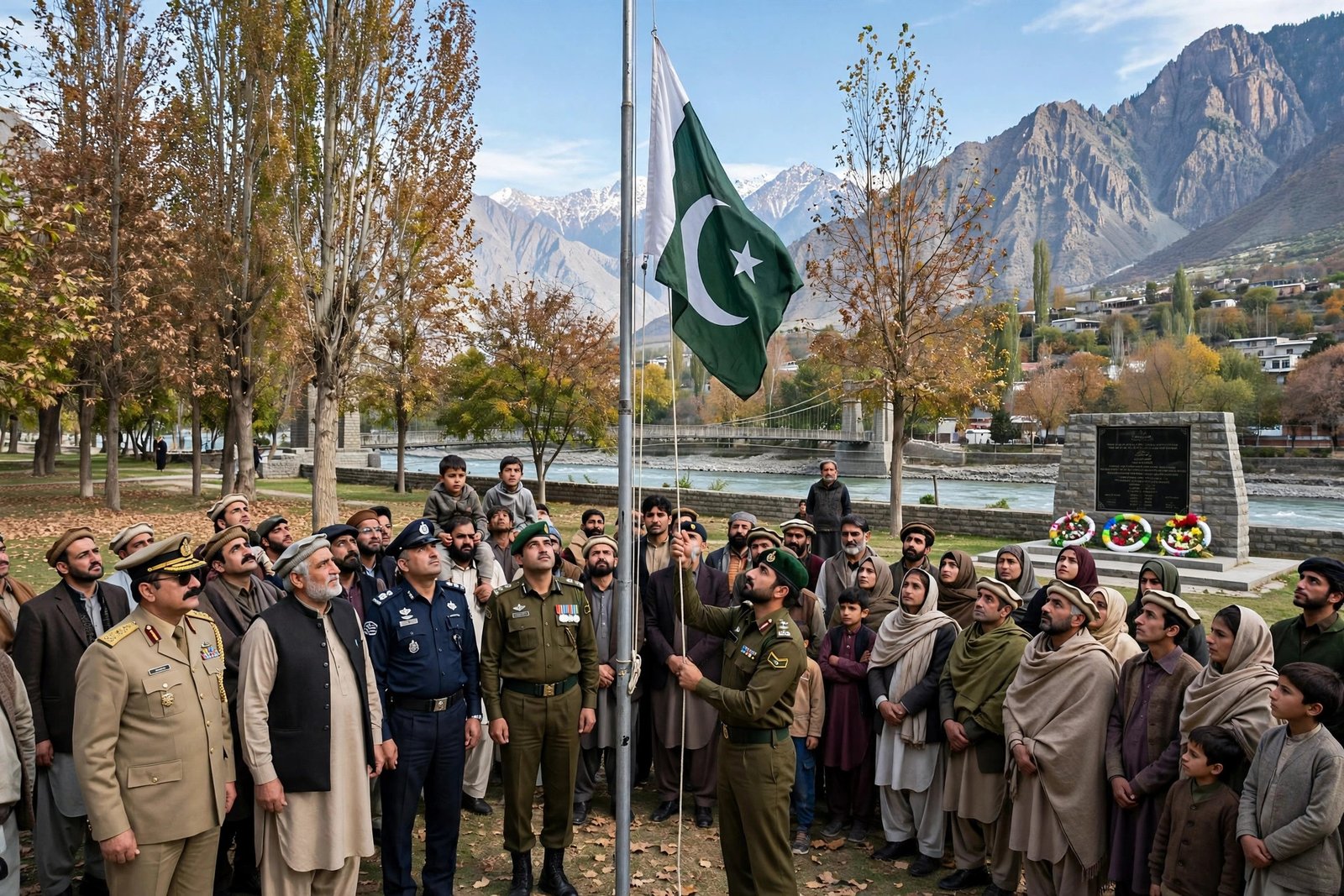
GILGIT: Gilgit-Baltistan tax exemption system traders can now register online, after Chief Minister Amjad Hussain Azar formally launched a new digital platform for the region’s traders on Friday. The system, called the Gilgit-Baltistan Traders’ Registration and Tax Exemption System, is meant to give local traders fair and simple access to the tax exemptions on goods imported from China. For the traders of the mountain region, who have waited more than a year for the relief to work properly, the launch is a step they have long asked for.
The platform, known as the GB-TERS online platform, lets traders apply for registration and for tax exemption certificates through the internet, instead of carrying files from office to office. The chief minister said the provincial government had introduced a transparent online system to ensure fair access to the exemptions, to simplify the registration process and to prevent discrimination. He added that the system would treat every eligible trader the same, and that no one would need a personal connection to get the relief they are owed.
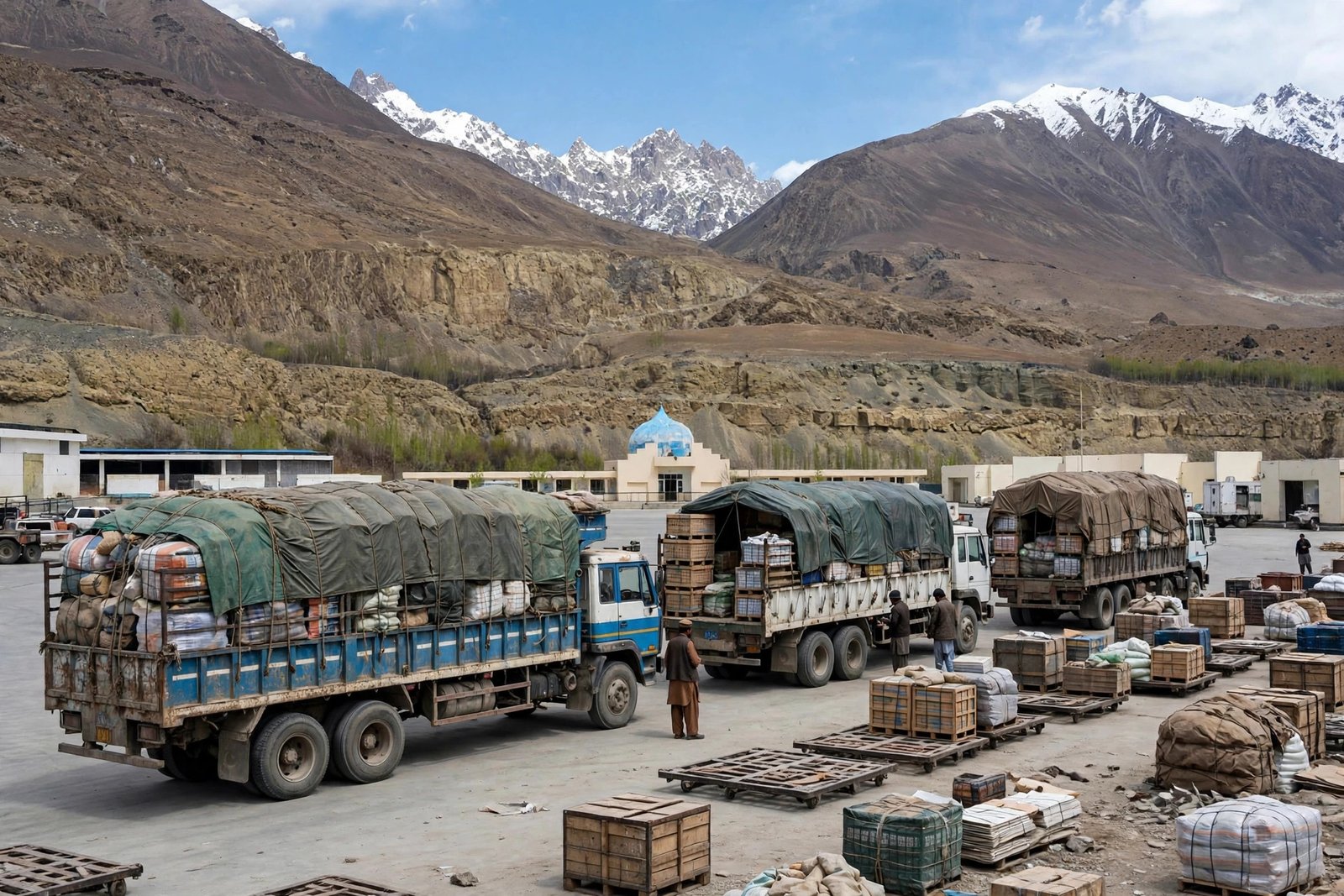
The exemptions themselves come from an agreement reached in September 2025, after a long and bitter dispute at the border. Traders at the Sost Dry Port staged a 68 day protest, and the Sost Dry Port 68 day protest ended only when the federal government agreed to a tax relief package for Gilgit-Baltistan. Under that agreement, goods imported through Sost for local consumption in the region are exempt from sales tax, income tax and federal excise duty, subject to eligibility criteria and a Rs4 billion annual exemption ceiling.
The relief was given legal form through the SRO 2488(I)/2025 FBR notification, which the Federal Board of Revenue issued under the Customs Act 1969, the Sales Tax Act 1990, the Federal Excise Act 2005 and the Income Tax Ordinance 2001. The notification covers 2403 items tax free imports, which means that more than two thousand types of goods can enter Gilgit-Baltistan without those three taxes, as long as they are meant for local use. The facility applies only to goods imported through the Silk Route Dry Port at Sost and falling under specified Pakistan Customs Tariff codes.
Not every trader can claim the relief, and the rules set out who qualifies and how the system works. Applicants must operate a registered firm or partnership, and the importing firm must be wholly owned by people who hold a domicile of Gilgit-Baltistan. Each consignment needs online authorisation from the notified Gilgit-Baltistan government authority through the Customs Computerised Clearance System, and the exemption is granted on a first come, first served basis. Once the annual limit is exhausted, all later imports become taxable, so traders who apply early have the best chance of getting the relief.
The system also checks each applicant carefully before any certificate is issued. Only permanent residents of Gilgit-Baltistan who are registered with the relevant Chamber of Commerce and either incorporated with the Securities and Exchange Commission of Pakistan or registered under Form C are eligible to apply. Each application goes through automated verification, including NADRA confirmation of residency, validation of the SECP or Form C registration, Chamber of Commerce verification and scrutiny of a one year digital annual bank statement. The certificates are divided into four segments, covering large scale traders, small scale traders, youth and women.
The chief minister said the online system would make the process fair, but not everyone in the business community is convinced that the relief will work as planned. The Federation of Pakistan Chambers of Commerce and Industry’s Businessmen Panel warned earlier this year that duty free imports through Sost could open the way to smuggling, under invoicing and corruption, and could squeeze domestic industries that already struggle to compete. The panel said the conditions on paper do not automatically turn into effective control on the ground, and it urged the government to revisit the framework with the business community.
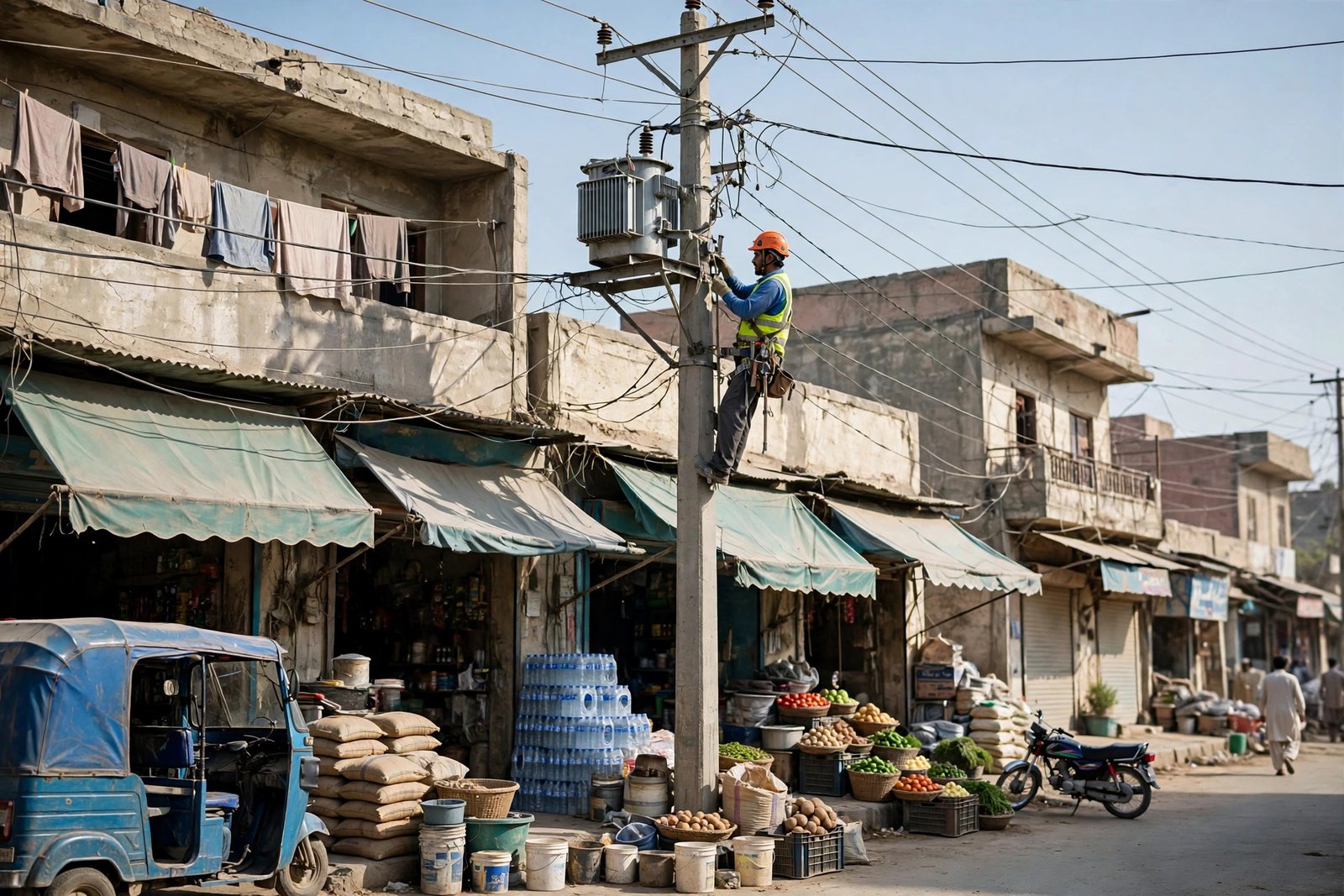
For the people of Gilgit-Baltistan, the exemptions matter because the region depends on goods brought in from China for daily life, from household items to machinery and building materials. The high mountains make transport costly, and taxes on top of transport can push prices beyond the reach of ordinary families. A working exemption system could bring prices down in the bazaars of Gilgit, Skardu and Hunza, and it could give local traders a fair chance to build their businesses instead of watching goods pass through the region to other parts of the country.
Readers should keep two points in mind. First, an earlier online portal for the same relief was reported in February this year, and the 6 November launch is presented by the chief minister as the formal rollout of the GB-TERS system, so traders should check which portal is now the official one. Second, the Rs4 billion ceiling is a hard limit, and once it is used up, the relief stops for the rest of the year. The system is a welcome step for the traders of Gilgit-Baltistan, and its real test will be whether the certificates reach small traders and women and young traders fairly, and whether the goods stay inside the region as the rules require.
Also Read: Karachi Lahore Airports to Expand Under Master Plans
Previous: Abbas Afridi Powers Pakistan to Hong Kong Sixes Plate Title
Next: inDrive Lets Pakistan Riders Haggle Fares With AI Safety