ISLAMABAD: Karachi Lahore airport expansion master plan 2026 has been approved by Prime Minister Shehbaz Sharif, who has given the go ahead for major upgrades at the country’s two busiest airports. The decision was taken at a high level meeting chaired by the prime minister in Islamabad on October 29, and it aims to increase capacity, improve passenger facilities and bring services in line with international standards. The prime minister told the authorities to finish the work within the set timelines, and he stressed that passenger convenience must come first at every airport in the country.
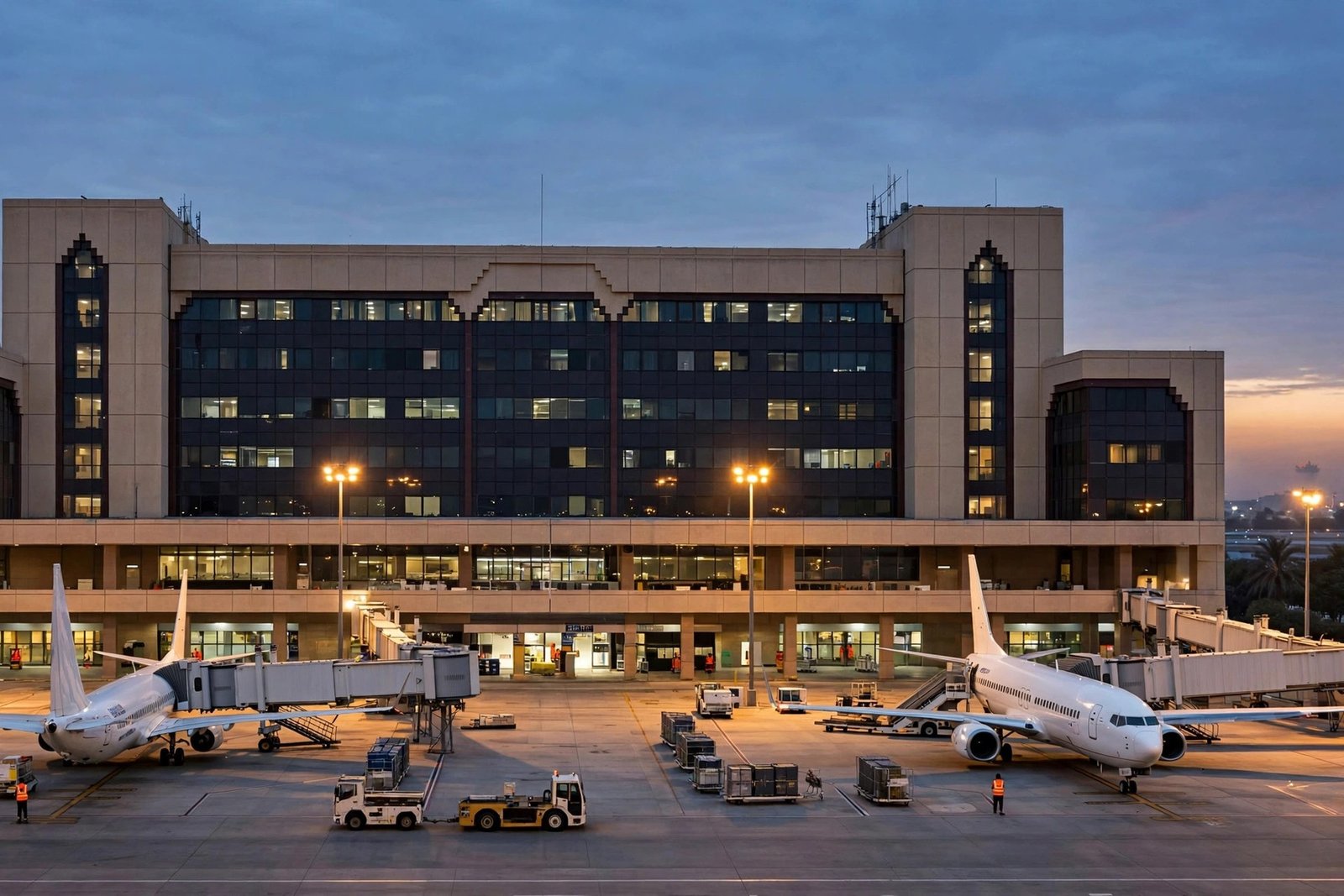
The Jinnah International Airport Karachi runway expansion is already complete, and that was one of the first things the meeting was told. Karachi airport is the country’s busiest aviation gateway, and it is already seeing major infrastructure work. The Pakistan Airports Authority had earlier announced a Rs100 billion expansion programme for the airport, with a proposed new terminal building, a modern air cargo village and other supporting facilities to handle future passenger and freight demand. The runway work is done, and the terminal and cargo work is next.
The Allama Iqbal International Airport Lahore master plan is the other half of the decision. Lahore airport is also included in the newly approved expansion, and its master plan is meant to improve passenger handling capacity and modernise facilities for the growing number of domestic and international travellers. The meeting was briefed on the master plans for both airports, including the proposed expansion schemes and the construction schedules. The prime minister directed that the work must meet international standards, with no compromise on the quality of construction.
The Karachi air cargo village hub is the most ambitious part of the plan. A key objective is to turn Karachi into a major air cargo hub through the development of an air cargo village, which will strengthen the city’s role in air freight, cargo handling and logistics. Work on the project is already under way, according to the Prime Minister’s Office, and it is meant to help exporters move goods faster. For a country that depends on exports, a proper cargo hub at its busiest airport could make a real difference to trade.
The Civil Aviation Authority 14 airports operational record was also part of the briefing. The authority has made 14 airports operational in a year, and work is continuing on automated border management systems, including electronic gates at major airports. The meeting reviewed the ongoing development and upgradation projects at airports across the country, and the prime minister asked for third party validation of the reforms aimed at improving the travel experience. The message was that the expansion must be checked by outsiders, not just by the people building it.
The Hyderabad aviation university February 2028 plan was another item on the agenda. The government is working to upgrade an existing aviation institution in Hyderabad into an international standard aviation university, and work on the project is expected to begin by February 2028. The university is meant to train the pilots, engineers and managers that a growing aviation sector will need. It is a long term investment, and it shows that the plan is not only about buildings but also about the people who will run them.
The timing matters, because Pakistan’s aviation is growing again. International flights have returned to more routes, and the airports are handling more passengers than they were a few years ago. The two biggest airports were built for a smaller flow, and the queues at check in, immigration and baggage have become a familiar complaint. The expansion is meant to fix that, with bigger terminals, faster immigration and better cargo handling. The prime minister has made passenger convenience the test of whether the work has succeeded.
There are still gaps in the public detail, and readers should know about them. The government has yet to announce the total cost, the additional passenger handling capacity or the completion timelines for the approved expansion projects at Lahore and Karachi airports. The Rs100 billion figure belongs to the earlier Karachi programme announced in February, and it is not clear how much of the new approval overlaps with it. Without dates and costs, it is hard to judge how fast the work will move or what it will deliver.
For now, the approval is a clear signal that the government wants the airports to grow. The runway at Karachi is done, the cargo village work has started, and the master plans for both airports are approved. The next milestones to watch are the tendering of the terminal work, the cost figures, and the completion dates. Passengers will judge the plan by shorter queues and cleaner terminals, and exporters will judge it by faster cargo handling. The meeting on October 29 set the direction, and the work on the ground will show whether the promise is kept.
Also Read: Punjab Universities Seek Repeal of Name Change Law
Previous: JazzCash Revenue Jumps 67.6pc as Payments Hit Rs6.9tr