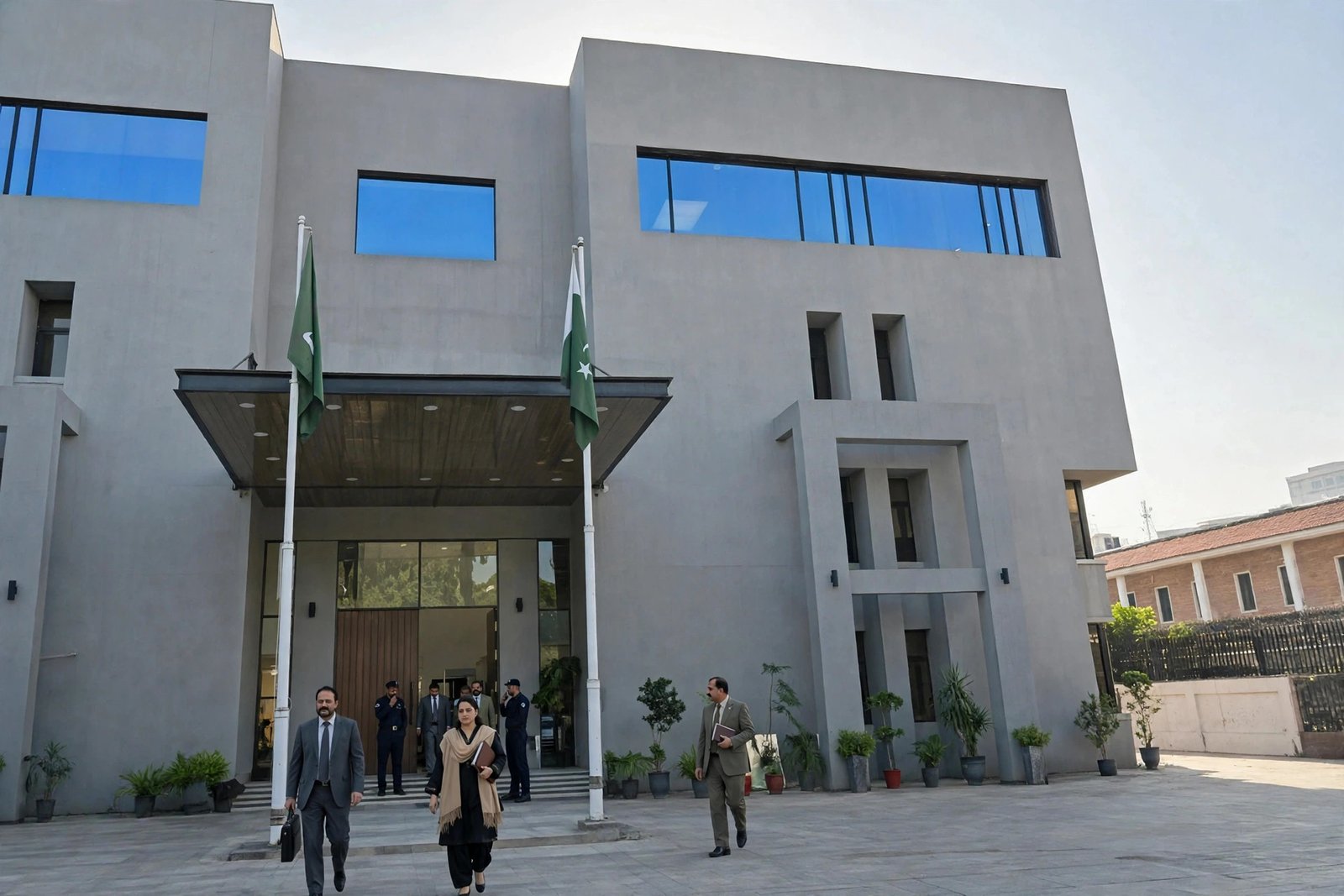
ISLAMABAD: Pakistan 100 percent digital payments roadmap is now on the table, after Prime Minister Shehbaz Sharif ordered officials to prepare a clear plan with time bound targets. The prime minister chaired a high level meeting in Islamabad on Friday to review progress towards a cashless economy. He said a 100 per cent digital payments system is among the top priorities of the government. The meeting also reviewed how far the digitisation of government payments has already gone.
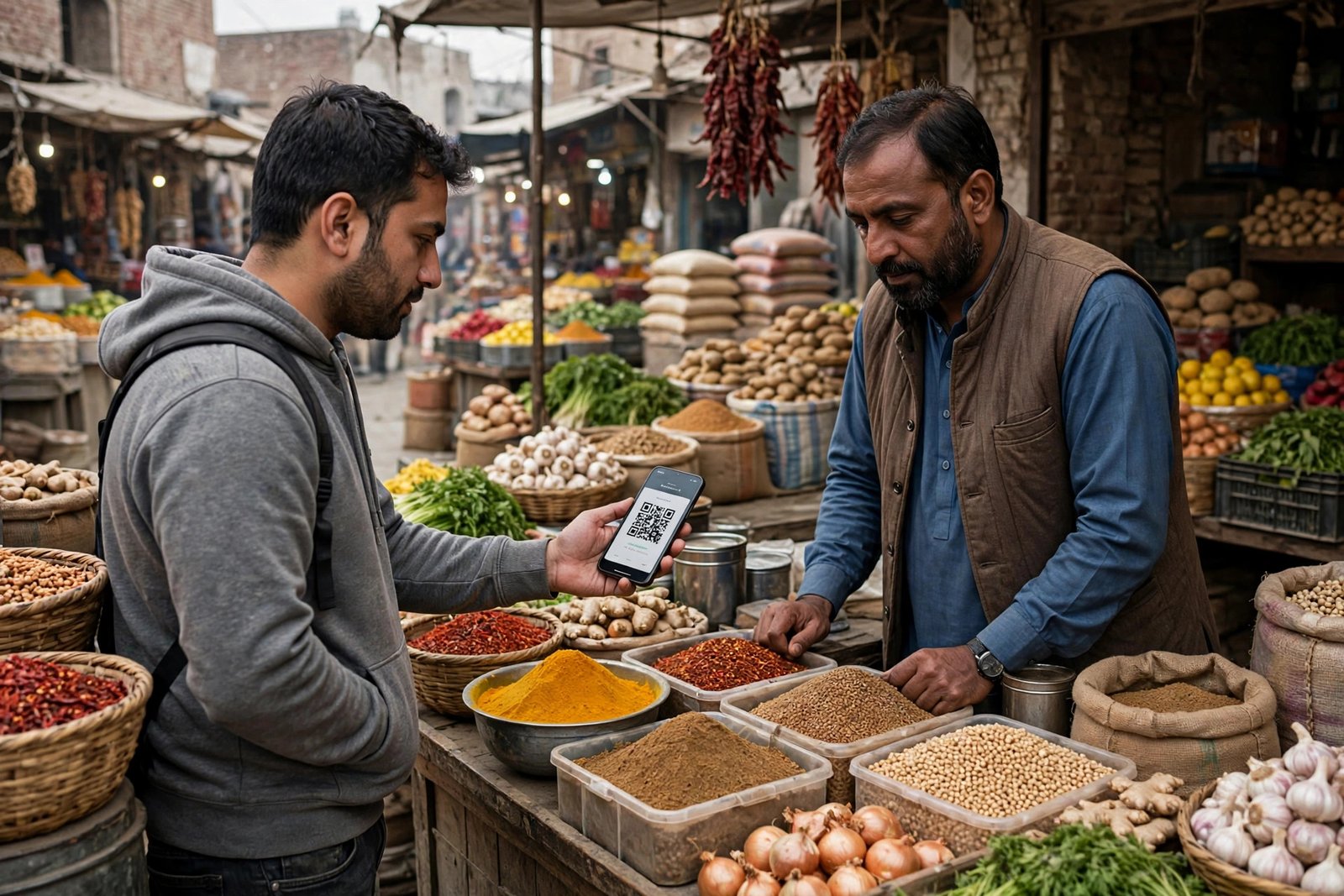
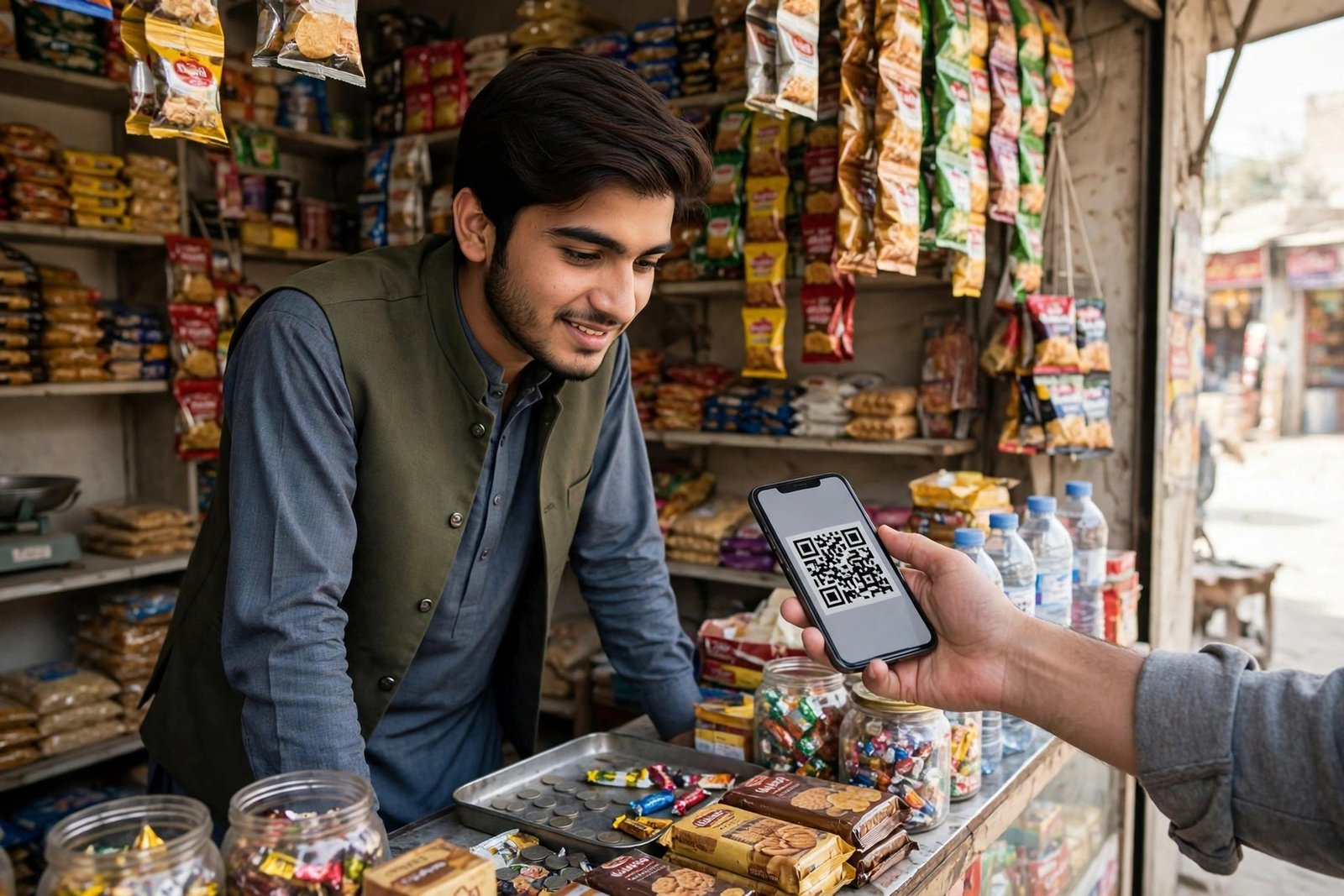
The Raast QR code payments cashless economy drive is at the centre of the plan. The prime minister said the payment system through Raast QR codes is proving instrumental in achieving the government vision of a cashless economy. He directed that the scheme to promote digital payments between consumers and merchants through Raast QR codes be continued under government patronage. He also ordered a media campaign to encourage electricity and gas consumers to pay through QR codes printed on utility bills.
The Shehbaz Sharif digital payments meeting November 2026 also set a clear direction for ministries. The prime minister instructed all ministries and government institutions to ensure full implementation of the cashless economy plan. The meeting was told that work on the digitisation of payments in all federal and provincial government institutions is progressing rapidly. That work covers everything from official fees to salaries and supplier payments, and it is meant to cut cash handling across the public sector.
The government payments digitised December 2026 deadline is the first target to watch. The meeting was told that payments in most institutions would be fully digitised by December 2026. That is only weeks away, and it will test whether the plan is on track. A fully digitised payment system means every rupee paid by a government office leaves a record, which makes it easier to audit spending and harder for money to go missing. The prime minister has asked for time bound targets, so missed deadlines should be visible.
The Asaan Assignment Account cheque payments end November 15 change is the most concrete step so far. Cheque based payments through Asaan Assignment Accounts will be discontinued from 15 November, and instead they will be made through the Raast digital system across the country. Drawing and disbursing officers have already been trained for the change. The switch affects the way government offices pay their bills and their staff, and it is meant to be a clean break from paper cheques.
The BISP digital wallets 100 percent payments figure shows the model the government wants to copy. The meeting was told that 100 per cent of the payments under the Benazir Income Support Programme are now made through digital wallets. That programme reaches millions of poor families, and it shows that digital payments can work even for people with little formal banking. If the same system can work for welfare payments, the government argues, it can work for utility bills and official fees too.
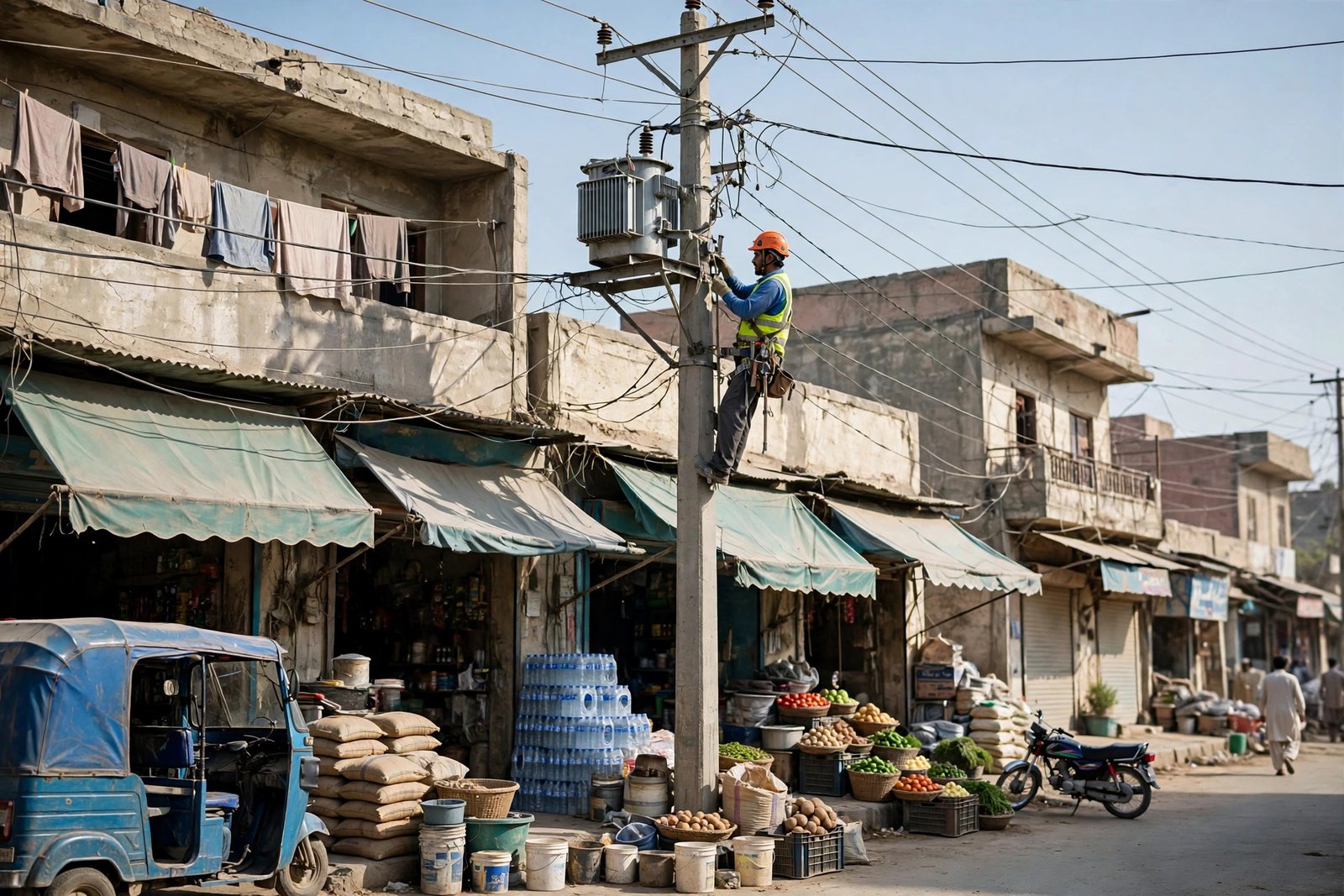
The QR code push on utility bills is already visible in the power sector. The Islamabad Electric Supply Company has introduced QR code payments for electricity bills and demand notices, and other power companies printed QR codes on their bills earlier this year. A consumer scans the code on the bill with a bank app or a mobile wallet, checks the amount and pays without visiting a payment centre. The prime minister media campaign is meant to push more consumers to use that option instead of paying in cash at a counter.
For ordinary people, the shift to digital payments brings both ease and new worries. Paying a bill from a phone saves a trip and a queue, and the payment record stays on the phone for later checking. But the shift also needs a smartphone, a bank account or a wallet, and a reliable internet connection, which many people in villages and small towns still lack. The prime minister stressed countrywide internet access in the same meeting, which shows that the government knows the gap. A cashless system only works if the connection reaches everyone.
The next step is the roadmap itself, which the prime minister has asked officials to present with clear targets and dates. Until that roadmap is published, the promises are directions rather than a finished plan. The first real tests will come on 15 November, when cheque payments end, and in December, when most institutions are meant to be fully digitised. If those dates are met, the cashless economy will have moved from speeches to practice, and consumers will feel the change in their daily bills.
Also Read: