ISLAMABAD: Supreme Court WAPDA power theft scrutiny has been ordered by the Supreme Court, which wants a close examination of how illegal electricity supply rackets can run without the knowledge of the power authorities. A two judge bench gave the direction on Friday 6 November, in a six page order sent to the WAPDA chairman. The court said it was inconceivable that electricity could be supplied to shops and homes without the knowledge of WAPDA or the concerned power company and its officials.

Justice Muhammad Ali Mazhar led the two judge bench, with Justice Irfan Saadat Khan as the second judge, and Justice Mazhar wrote the six page order. The judges were hearing a petition to cancel bail granted in a case from Larkana, in Sindh. The court said the roles of all those involved in electricity theft, illegal sale of power and private supply outside the authorised procedure should be examined by the authorities. The direction is an observation by the court, and it does not decide the criminal case itself.
The case behind the order is a sad one, and the Larkana electrocution case Noor Hussain died in began in March 2024. Noor Hussain was the brother of the petitioner, Ali Asghar Khokhar, a resident of Khuhawar Street in Larkana. He died after a PVC wire broke and came into contact with a high tension line. A first information report was later registered at the Rehmatpur police station in Larkana against the respondent and WAPDA officials, and the case has been moving through the courts since then.
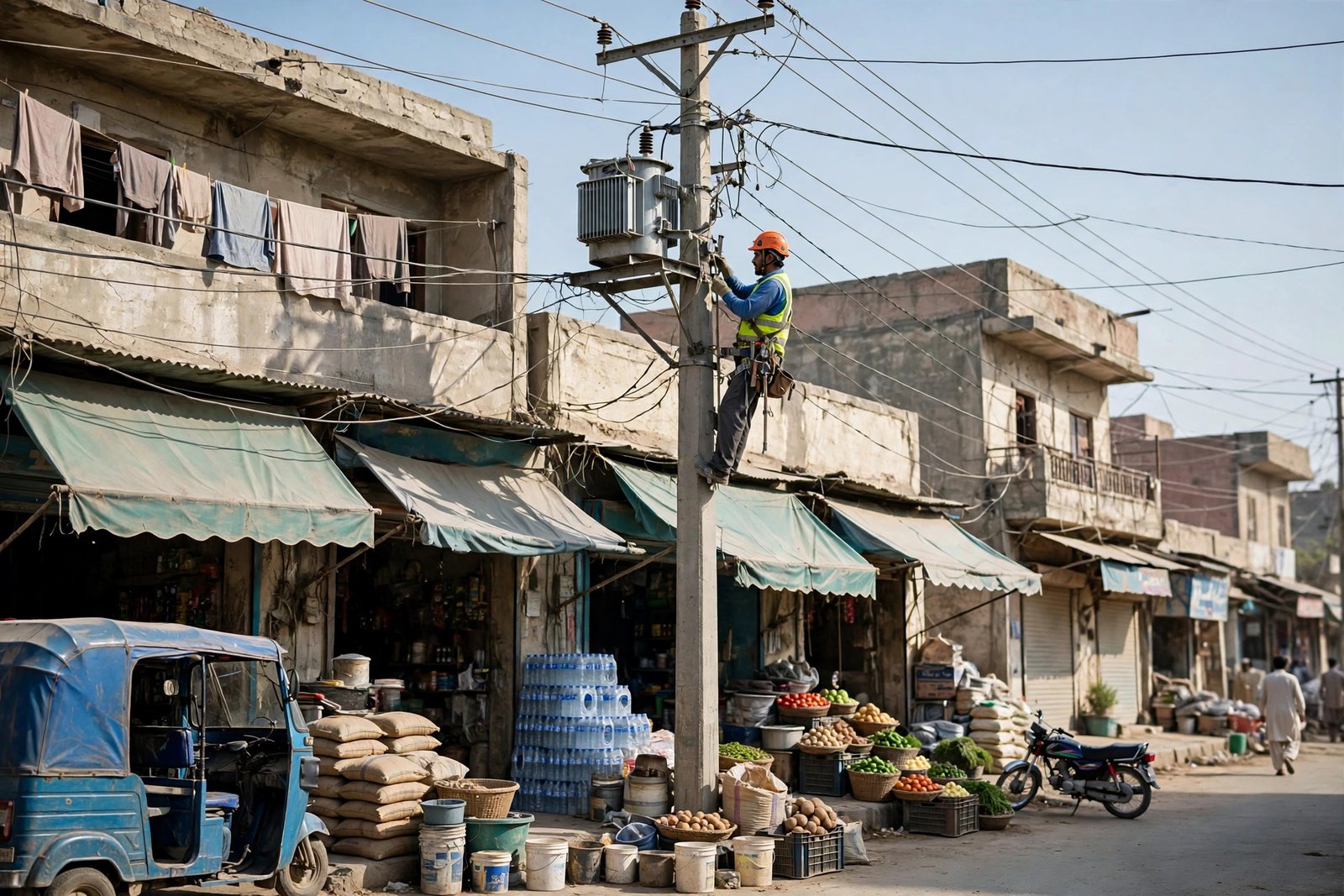
The allegation in the case is that the co accused, including WAPDA officials and the respondent, were supplying electricity to shops by laying a special line from a disposal phase line and running a wire over the complainant shops. The petitioner said the respondent worked as a contractor in collusion with WAPDA officials, supplying electricity to his shop for money. In other words, power meant for official use was being sold privately for money, through wires that were never authorised. The court said such a racket could not run without the officials knowing about it.
The court also dealt with the bail question that had brought the case to Islamabad, and the eight principles cancellation of bail Supreme Court laid down in the same judgment set out when bail can be cancelled. The court said bail may be revoked if the order granting it is prima facie illegal or unjust, listing grounds such as misuse of liberty, witness intimidation and interference with investigations. The Supreme Court upheld the Sindh High Court decision, noting a nine month delay in registering the first information report. The petition was disposed of as withdrawn, and the court made clear that its observations would not affect the merits of the pending case.
The order also reaches beyond the single case, because the WAPDA chairman copy of order direction sends the judgment to the top. The court directed that a copy of its order be forwarded to the WAPDA chairman for information, so that the authority can examine the role of its own officials in illegal supply. The court observed that WAPDA and the utility company should examine the role of individuals involved in illegal supply, power theft and private siphoning. The message is that the problem is not one wire in one street, but a practice that needs a thorough look across the system.
The background of the case shows how long it has taken to reach this point. The incident happened in March 2024, and the sessions court in Larkana rejected a pre arrest bail application in January 2025. The Sindh High Court Larkana circuit bench then granted bail in October 2025, citing the delay in registering the report and other grounds. The petitioner challenged that decision in the Supreme Court, which has now closed the petition as withdrawn. The criminal case itself is still pending, and the trial court will hear the evidence and decide who is responsible.
Power theft is a large problem in Pakistan, and illegal electricity supply shops Larkana is only one example. Unauthorised connections overload transformers, cause fires and electrocutions, and add to the losses of the distribution companies. Honest consumers pay for the stolen power through higher tariffs and longer load shedding. The Supreme Court order puts the focus on the officials whose duty is to stop the theft.
Readers should note one point of care in this story. Dawn and Dunya News differ on who the accused is: Dawn reports that Ali Asghar Khokhar is the petitioner and Anwar Ali Kori is the respondent, while Dunya News reports that Khokhar is the accused whose pre arrest bail was rejected. This article follows the Dawn account of the Supreme Court order, and it flags the difference rather than treating either version as settled. The spelling of the police station also varies between reports, with Rehmatpur and Rahmatpur both used.
Also Read: UN Council Backs Pakistan Diplomacy Plan by Consensus
Also Read: ECP Sets Dec 31 Deadline for Lawmakers to Declare Assets
Also Read: Shane Deitz to Coach Pakistan Women After West Indies Exit