
The government has increased the price of petrol by Rs 1.54 a litre and high speed diesel by Rs 2.16 a litre, with the new prices taking effect on Tuesday 27 October.
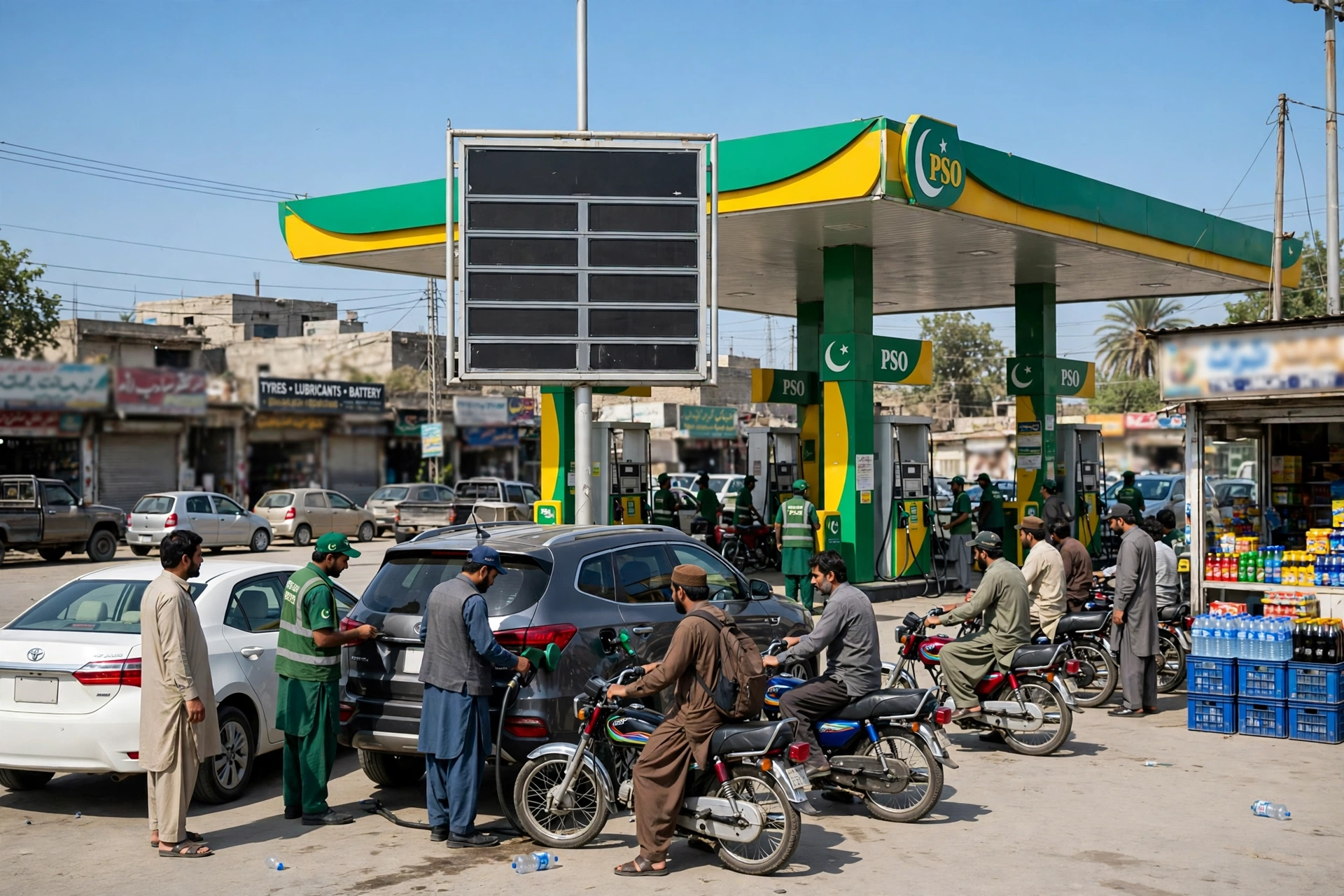
Petrol will now cost Rs 379.25 a litre, up from Rs 377.71. High speed diesel will cost Rs 395.82 a litre, up from Rs 393.66. The new rates were set in a notification issued by the Petroleum Division, after the Oil and Gas Regulatory Authority revised the ex depot prices for 27 October 2026.
The increase comes only days after the last revision on Friday, when petrol was left unchanged and diesel went up by Rs 1.91 a litre. This time both fuels have gone up together.
What the new prices are
The new petrol price is Rs 379.25 a litre. That is Rs 1.54 more than the old price of Rs 377.71. The new diesel price is Rs 395.82 a litre. That is Rs 2.16 more than the old price of Rs 393.66.
The prices were fixed under the government’s petroleum pricing mechanism. The Oil and Gas Regulatory Authority, known as OGRA, revised the ex depot prices and the Petroleum Division issued the notification. Ex depot prices are the prices set before other charges and retail level costs are added.
The Petroleum Division said the adjustment was based on the prescribed mechanism, which takes into account global market developments, including Platts rates, premiums and incidental costs. Platts rates are the international benchmark prices used for oil products.
Taxes on every litre
Fuel prices in Pakistan carry heavy taxes, and those taxes are a large part of what motorists pay at the pump. The government levies duties of Rs 114 a litre on petrol and Rs 100 a litre on diesel.
That means more than a quarter of the petrol price is tax. For diesel, the tax is also a large share of the pump price. These duties stay in place even when international prices move, so they set a floor under what fuel costs in Pakistan.
The tax burden is one reason why fuel prices in Pakistan stay high even when global oil prices ease. The government relies on petroleum duties as a source of revenue, and that revenue is built into every litre sold.
Austerity steps return
Along with the price increase, the government has brought back a set of austerity measures. Commercial markets across the country have been told to shut down by 9 pm. Fuel allocations for official government vehicles have been cut by 50 per cent for an initial period of three months.
The measures are meant to cut public spending and reduce energy use at a time when fuel prices are high. The market closure timing affects traders and shopkeepers in cities across the country. The cut in official fuel use affects government departments and their vehicles.
The government has used similar steps before when fuel prices were under pressure. The aim is to show that public spending is being reined in while ordinary people face higher prices at the pump.
Who feels the increase
Petrol is used mainly by private motorists, motorcyclists and small vehicle owners. A rise of Rs 1.54 a litre adds directly to their daily travel cost. For a motorcyclist who fills a small tank, the extra cost is small on each visit but it adds up over the month.
Diesel is the fuel of heavy transport, freight vehicles, buses and farm machinery. A rise of Rs 2.16 a litre in diesel can push up transport and distribution costs. When transport costs rise, the prices of goods carried by trucks can follow. Farmers who run diesel pumps and tractors also feel the change.
The two fuels move together in this revision, so both private travel and goods transport get more expensive at the same time. That is why a fuel price revision is watched so closely across the country.
A volatile year for fuel
Fuel prices in Pakistan have moved sharply through the year. Diesel had surged from Rs 281 a litre after regional tensions rose in late February, and it reached a record peak of Rs 520.35 on 3 April before recent adjustments brought it down.
Petrol also rose steeply in the same period, climbing from Rs 266 a litre in the first week of March to a historic high of Rs 458.41. The current prices of Rs 379.25 for petrol and Rs 395.82 for diesel are well below those peaks, but they remain high by past standards.
The latest revision is the second change in less than a week. On Friday, petrol was held at Rs 377.71 while diesel rose by Rs 1.91 to Rs 393.66. Tuesday’s revision lifts both fuels again, and it takes effect the same day.
What happens next
The new prices apply from Tuesday 27 October. Petrol stations across the country will charge Rs 379.25 a litre for petrol and Rs 395.82 a litre for high speed diesel.
The next revision will follow the usual cycle, with OGRA reviewing international prices and the Petroleum Division issuing a fresh notification. For now, motorists and transporters will pay more at the pump, and the austerity measures will run alongside the higher prices.
The price of petrol in Pakistan has now risen twice in a week in one form or another. Friday left petrol unchanged and raised diesel. Tuesday raises both. The question for households and businesses is how long the higher prices stay, and whether the next revision brings relief or another increase.