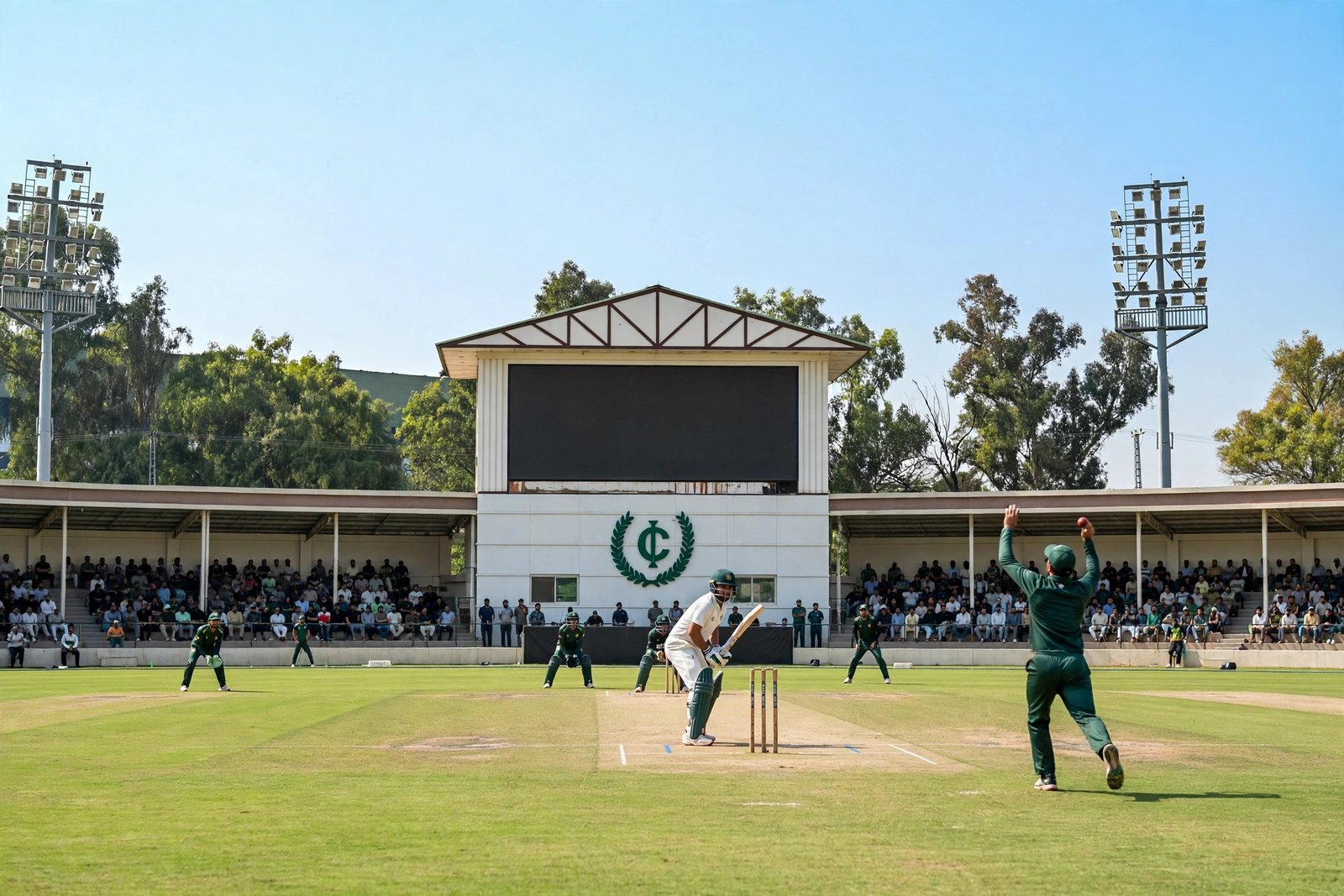
Pakistan Test revival begins with a clear change of plan, as head coach Mike Hesson has directed ground staff to prepare pace friendly surfaces for both home Test matches against Sri Lanka. The first Test will begin in Rawalpindi on 9 November, and the second will follow in Lahore on 17 November. For a team that has lost six of its seven Test matches in 2026, the decision is a direct response to a poor run, and it shows that the team management wants to play to its fast bowling strength at home, rather than repeat the approach that brought disappointing results.
Pakistan are currently ranked ninth among ten teams in the ICC Test rankings, and they occupy the bottom, ninth position in the World Test Championship standings. That position is a stark measure of how far the team has fallen in the longest format. A revival does not happen in one match, but a home series is often the best place to start, because the team can choose the conditions, pick a side to suit those conditions, and play in front of home supporters who know the game well.
The instruction from Mike Hesson is to prepare fast tracks, which means pitches that offer help to fast bowlers, especially early in the match. On a fast track, the ball can carry through to the wicketkeeper, bounce more, and move off the seam, which rewards bowlers who hit the right length and punishes batsmen who are late on the ball. Such pitches can also make for shorter matches, because wickets fall more quickly, and they can put pressure on both batting line ups to score quickly before the ball does more.
The team is also expected to field a new opening combination in its first home Test series of the year. Azan Awais and Abdullah Fazal are emerging as the leading contenders to open the innings against Sri Lanka, according to reports on the team plan. Opening the batting in Test cricket is one of the hardest jobs in the game, because the openers face the new ball when it is at its most dangerous, and they must survive the first hour so that the middle order can build on their work. A new pair will need time to settle, and their first innings together will be watched closely.
Pakistan will be playing their first home Test of the year in November, despite having already played seven Tests across three overseas series. That fact alone explains part of the frustration around the team, because home Tests are where a side usually builds confidence and points. The two match series against Sri Lanka is the last Test assignment of the year for both teams, and it counts for the World Test Championship, even though both sides are already out of contention for the final.
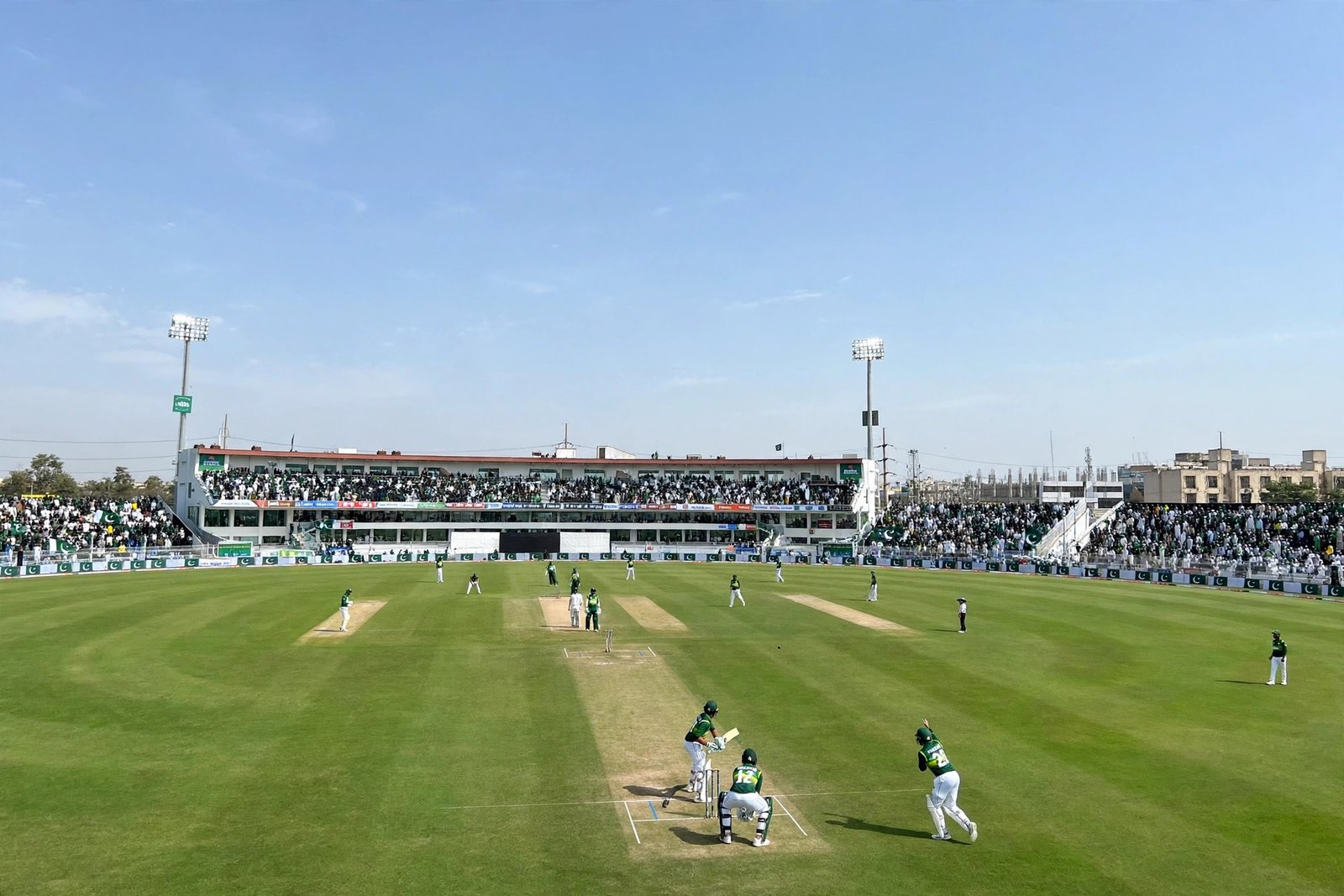
The first Test will be played at Rawalpindi Cricket Stadium from 9 to 13 November, and the second Test will follow at Gaddafi Stadium in Lahore from 17 to 21 November. Tickets for the first Test will go on sale on Friday from 2pm, the Pakistan Cricket Board announced, with physical tickets available at designated TCS Express Centres across Rawalpindi and Islamabad. Tickets for all five days have been priced at PKR 200 for the General, First Class, Premium and VIP enclosures, while tickets for the PCB Gallery will cost PKR 800 per person per day.
Sri Lanka arrive after a warm up match in Islamabad, played from 4 to 6 November against a PCB Patron’s XI captained by Saad Baig at the Islamabad Club ground. The visitors will be without Pathum Nissanka, who was ruled out with a hamstring injury and replaced by Lahiru Udara. That absence changes the balance of the Sri Lankan batting, and it gives Pakistan an early advantage, although the visitors still have experienced players who have played in Pakistan before.
For Pakistan, the tri nation ODI series triumph that came before this series offers some confidence, but Test cricket is a different test. In one day cricket, a team can win with a few strong performances in a single day. In Test cricket, a team must bat, bowl and field well over five days, and a weakness in any one area can be exposed over time. The fast track plan is therefore a gamble, because it could help Pakistan’s bowlers, but it could also help Sri Lanka’s bowlers if Pakistan’s batsmen do not adapt.
The opening combination is part of that gamble. Azan Awais and Abdullah Fazal are young players who have earned their chance through domestic cricket, and they will be asked to face a new ball on a lively pitch in their first Test together. If they succeed, they could give the team a stable start for years to come. If they struggle, the team management will face questions about whether the change came too soon, and whether a more experienced pair would have been a safer choice.
In the coming days, the focus will be on the pitch at Rawalpindi Cricket Stadium, the final squad announcement, and the warm up form of both sides. The Pakistan Test revival will not be judged by one session or one day, but by whether the team can win at home, play with discipline, and show that the lessons of a difficult year have been learned. For now, the plan is clear, the pitches will be fast, the openers will be new, and the first Test on 9 November will be the first real test of that plan.
Also Read: