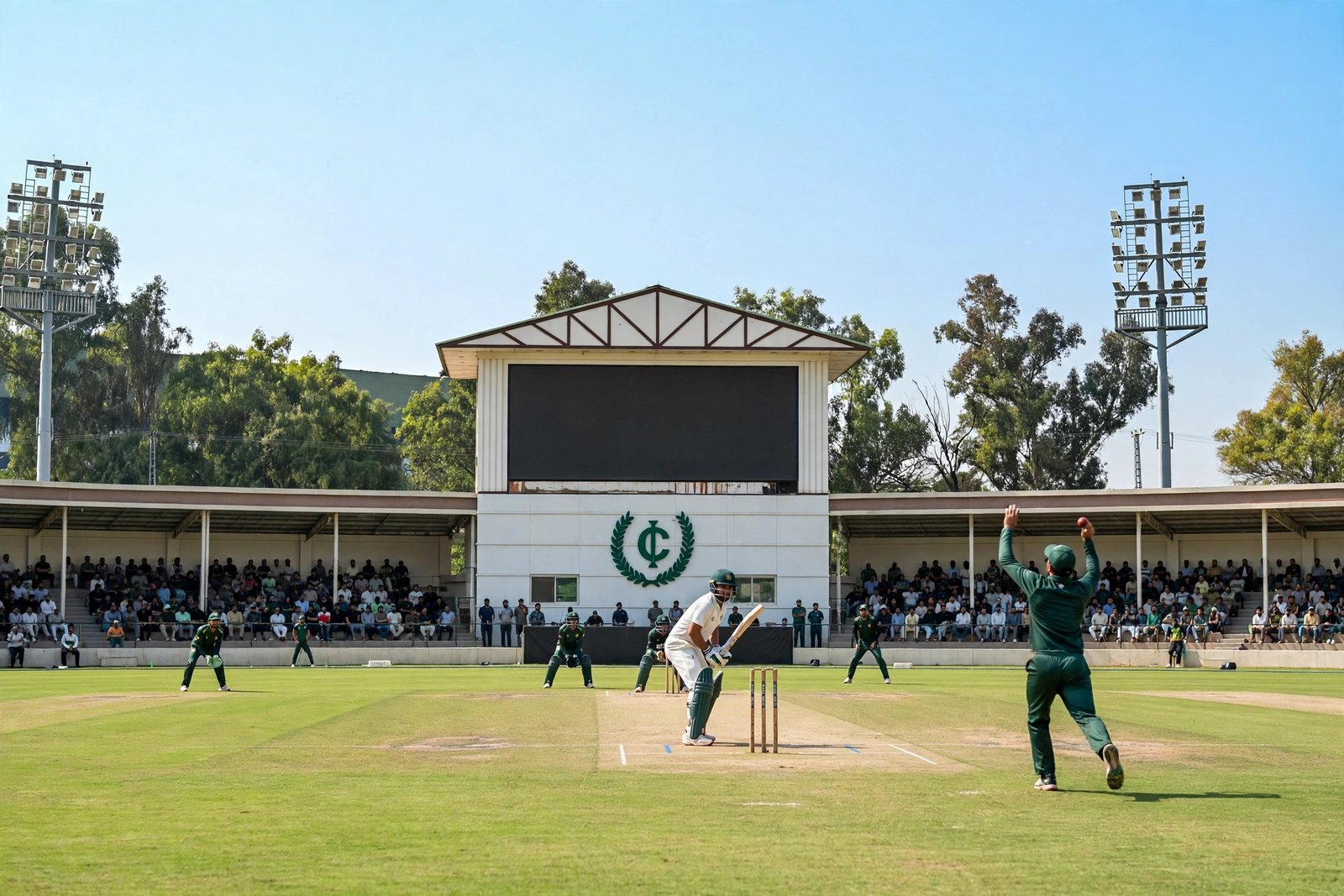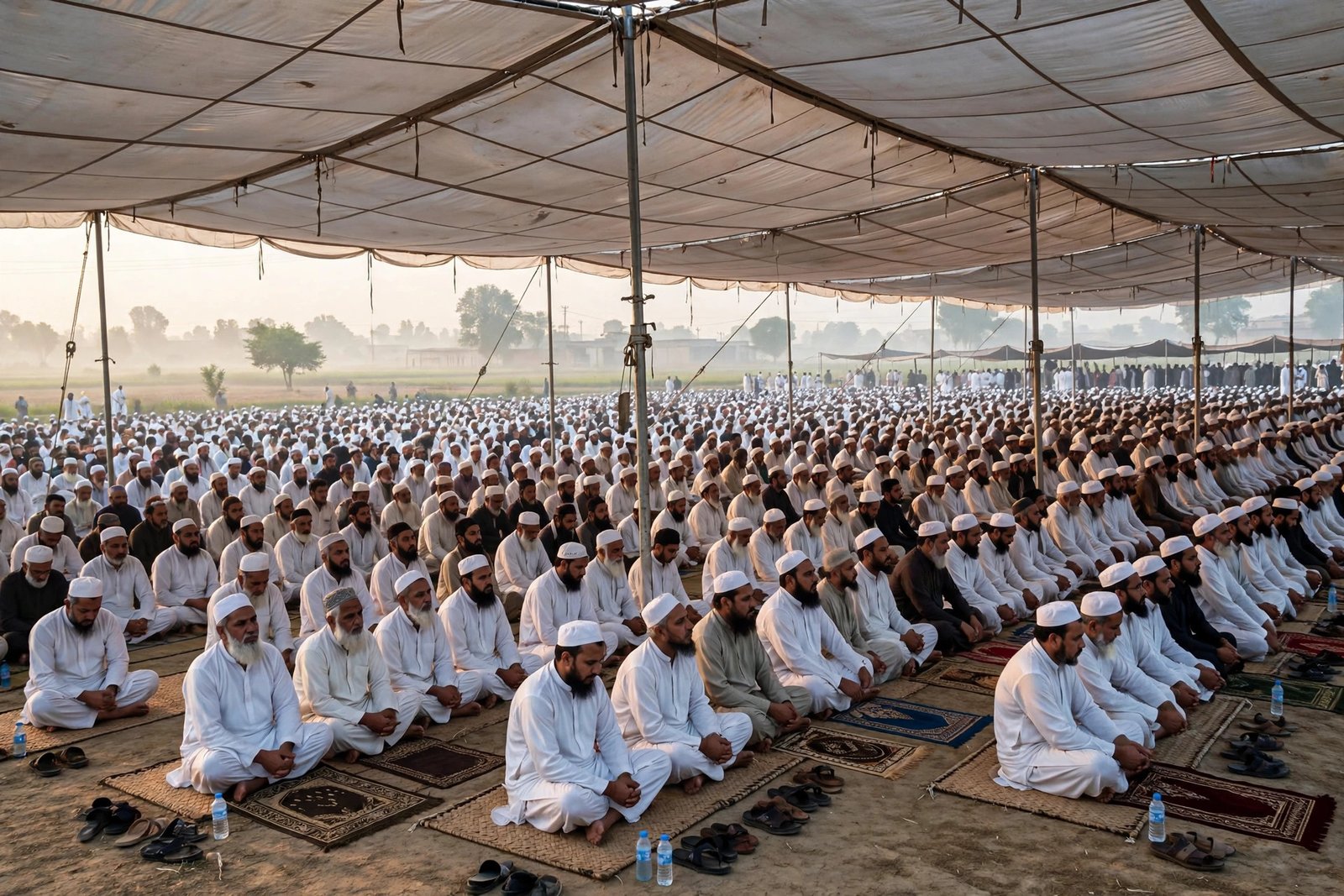
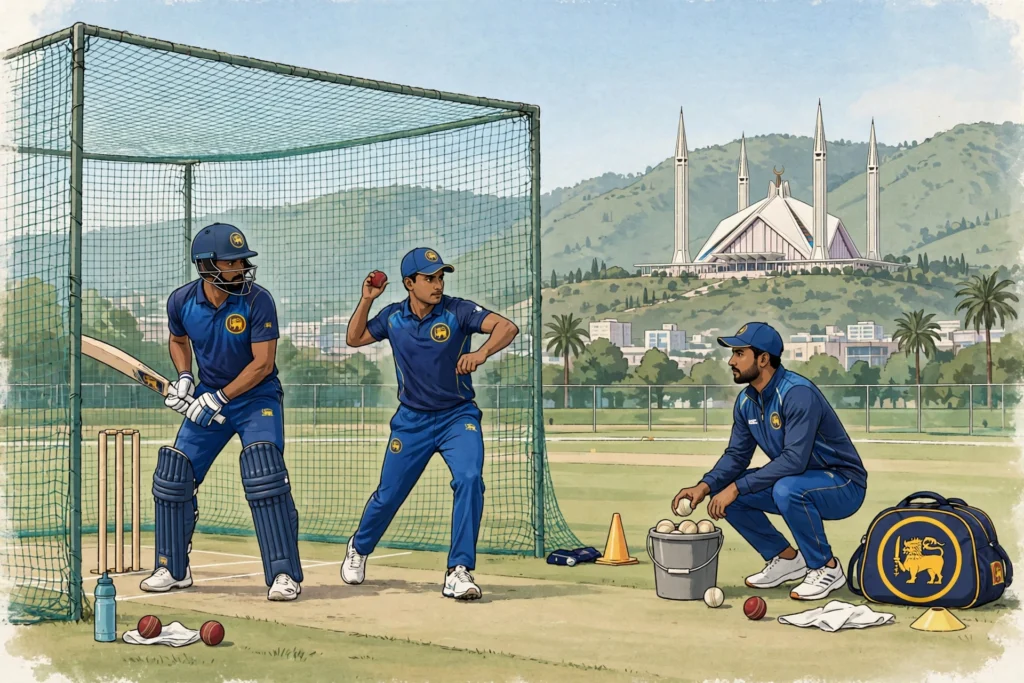
Sri Lanka warm-up in Islamabad is under way ahead of the Test series against Pakistan, giving the visitors valuable time in local conditions before the first Test begins. The warm-up match, played from 4 to 6 November, features a PCB Patron’s XI captained by Saad Baig at the Islamabad Club ground. For a touring side, a warm-up fixture of this kind is more than just a practice game. It is a chance to adjust to pitches, weather and match rhythm, and to give players who have not played recently a chance to find form before the serious business starts.
The Patron’s XI side is an important part of the domestic structure for such fixtures. It brings together players who are pushing for higher honours, and it gives them a rare chance to play against international opposition in a first class style setting. For those players, the match is an opportunity to show temperament and skill in front of selectors and coaches. A good performance against a touring Test side can stay in the memory long after the warm-up is over, and it can help a player move closer to national selection.
Saad Baig leads the Patron’s XI, and his role as captain will be watched with interest. Captaining a composite side against international visitors requires quick thinking, because the captain must bring together players from different teams and backgrounds and turn them into a unit in a short time. He must also manage his bowlers wisely, giving fast bowlers and spinners the right spells at the right moments, while keeping the fielding side sharp through long periods in the field. Those leadership lessons are useful at any level of the game.
For Sri Lanka, the warm-up is also a chance to settle selection questions before the Test series. Touring teams often arrive with a core group of players who are certain to play, plus a few places that are still open. A warm-up match allows coaches to see how players handle local pitches, how they cope with reverse swing or spin as the match wears on, and how they respond to long spells in the field. It also allows batsmen to spend time at the crease without the pressure of Test points at stake, which can be valuable after travel and limited preparation.
The visitors will, however, be without Pathum Nissanka for the series, after the opener suffered a hamstring injury. Nissanka has been an important player at the top of the order, and his absence changes the balance of the Sri Lankan batting line up. He has been replaced in the squad by Lahiru Udara, who will now have a chance to stake a claim in the top order. Injuries are a part of touring life, and how a team responds to losing a key player often says a lot about its depth and character. Sri Lanka will need others to step up and fill the gap left by Nissanka.
Once the warm-up is complete, attention will turn to the Test series itself. The first Test will be played in Rawalpindi from 9 to 13 November, and the second Test will follow in Lahore from 17 to 21 November. Both matches form part of the ICC World Test Championship, which means that points and positions in the championship table are at stake, not just the result of a single series. That context adds importance to every session, because a draw or a win can affect standings over a longer cycle.
Rawalpindi and Lahore offer different challenges, and that variety is part of what makes a two Test series interesting. Rawalpindi pitches have at times offered help to fast bowlers early on, while Lahore can present a different test as the match develops. Teams that read conditions well, that build first innings totals, and that bowl with patience tend to do well in Pakistan. For Pakistan, home conditions are an advantage, but only if the side uses them wisely and avoids complacency.
There is also a direct link between the warm-up and the Pakistan Test squad. Two fast bowlers from the Patron’s XI are set to join the Pakistan Test squad after the warm-up match. That pathway shows how a warm-up fixture can serve both sides at once. The visitors get match practice, the home domestic players get exposure, and the national selectors get a final look at bowlers in match conditions before finalising their plans. For the two bowlers concerned, the step up from a Patron’s XI game to a Test squad is a significant moment in their careers.
Test cricket remains the longest and most demanding format, and preparation matters more than in shorter games. A team cannot hide a weakness over five days, and small errors in technique or concentration can be punished over long periods. That is why warm-up matches, net sessions and time spent adjusting to local conditions are taken so seriously by touring teams. Sri Lanka will hope that their days in Islamabad leave them better prepared for Rawalpindi, where the first Test will set the tone for the series.
For fans, the coming weeks offer a full diet of red ball cricket, starting with the warm-up in Islamabad and continuing through Rawalpindi and Lahore. The warm-up may not carry championship points, but it offers clues about form, selection and conditions. By the time the first Test begins on 9 November, both teams should have a clearer sense of their plans, and supporters will be ready for a series that matters in the World Test Championship and in the wider story of Test cricket in Pakistan.
Also Read: Pakistan U19 Asia Cup Squad Announced for Oman Tournament
Also Read: KPITB AI Innovation Challenge 2026 Opens for KP Students